How To Stop a Dog From Shedding So Much?
I’ll be honest, you can’t completely stop a dog from shedding. It’s just part of having a furry pet. But here’s the good news: you can dramatically reduce the amount of fur floating around your house. I’ve dealt with many tumbleweeds of pet hair in my lifetime, and I’ve learned that (although shedding is totally natural) excessive pet hair doesn’t have to take over your life. With the right approach to grooming, nutrition, and health care, you can definitely keep your home cleaner and your dog’s coat healthier. So here’s my ten-step approach to minimizing shedding and enjoying a cleaner home:
Step 1: Brush Your Dog Regularly (This Is the Biggest Game-Changer)
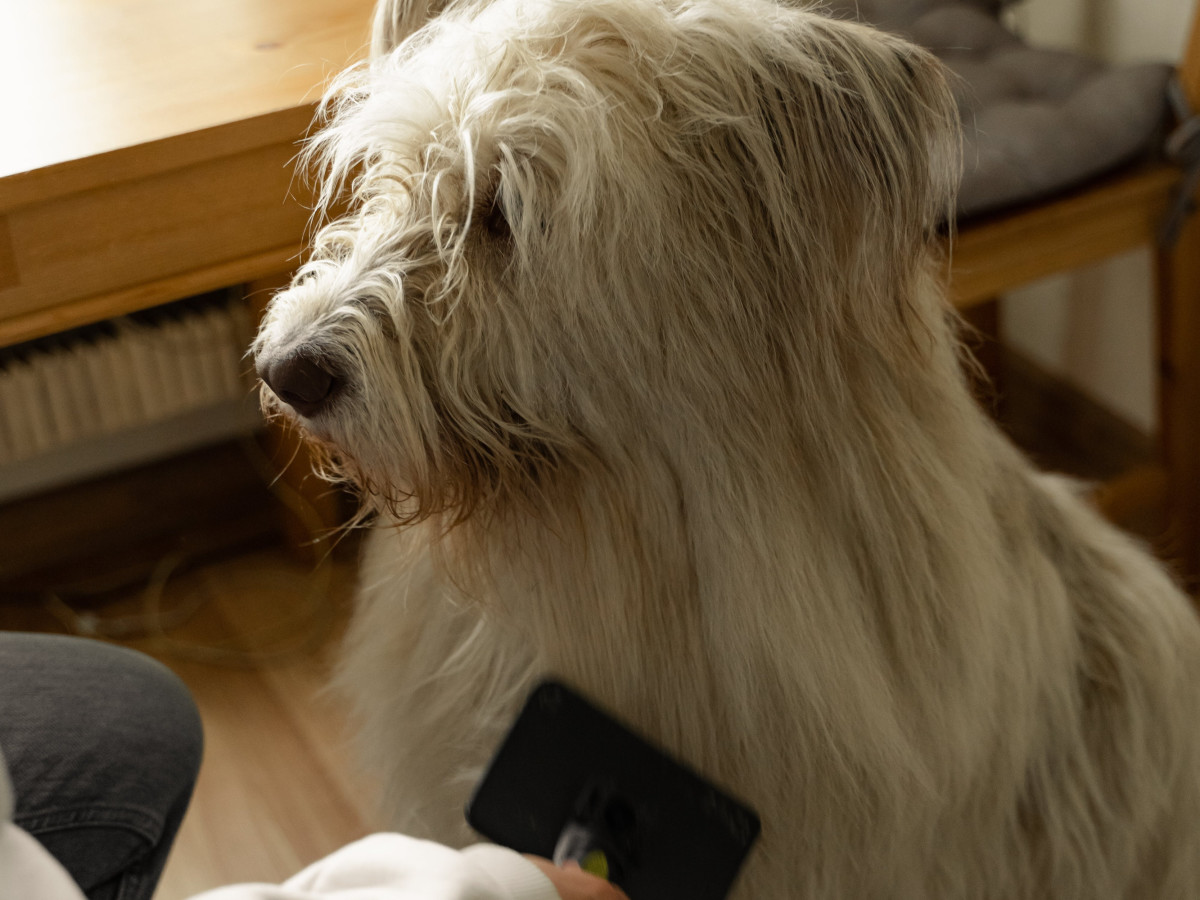
This sounds almost too obvious, but regular brushing is hands down the most effective way to keep pet hair manageable. As such, when you brush consistently, you’re removing dead and loose hair before it ends up all over your couch. Plus, brushing distributes those natural oils that keep skin and fur healthy.
Other benefits:
- Prevents mats and tangles that can cause skin irritation
- Stimulates blood circulation (which also promotes healthier coat growth)
- Gives you happy bonding time with your dog
But how often you need to brush depends on their breed and coat type. Some dogs need daily brushing, and others only need it once or twice a week.
How to Choose the Right Brush
Don’t just grab any brush! You must get one designed for your dog’s specific coat for success in reducing pet hair. Namely, the main types are shedding blades, slicker brushes, and pin brushes.
Quick guide:
- Shedding blades or undercoat rakes: Perfect for double-coated breeds like German Shepherds, Huskies, and Golden Retrievers
- Slicker brushes: Great for medium to long-haired dogs and removing tangles
- Pin brushes: Work well for long, silky coats
- Essentially, bristle brushes are best for short-haired breeds.
Ask a professional groomer if you’re not sure what to use. In essence, they can show you the right technique and recommend the best tool for your pet.
Step 2: Bathe Your Dog (But Don’t Overdo It)
Regular bathtime helps wash away loose hair and dirt trapped in the coat. But bathing too often strips natural oils and can actually make shedding worse by drying out their skin.
General bathing guidelines:
- Most dogs: Once every 4-6 weeks
- Dogs with skin conditions: As recommended by your vet
- Dogs who get dirty frequently: As needed, but try not to exceed twice monthly
Use Oatmeal-Based Shampoo
I always recommend this pet shampoo with oatmeal as the main ingredient because it’s gentle, moisturizing, and soothes irritated skin. Oatmeal naturally reduces inflammation and itching, which is perfect for dogs with sensitive skin. It is also a good conditioner to detangle and add moisture. I’ve had great results with natural, gentle formulas that don’t contain harsh chemicals or artificial fragrances.
Bathing tips:
- Please brush thoroughly before the bath to remove mats
- Use lukewarm water (not hot)
- Keep water out of ears, eyes, and nose
- Massage shampoo into the coat and rinse completely; leftover soap can irritate skin
- Apply conditioner if needed and rinse well
- Towel dry or use a blow dryer on the lowest, coolest setting
- Give treats throughout to make it a positive experience

Source: Unsplash
Step 3: Add Omega-3 Fatty Acids to Their Diet
Poor nutrition is one of the biggest causes of excessive shedding. As such, if the dog isn’t getting enough essential fatty acids, their coat will be dry, brittle, and shed like crazy.
Salmon Oil Supplements
Wild-caught salmon oil is packed with omega-3 fatty acids that transform coat health. I add it to my dog’s food daily, as a liquid food topper, and the difference is incredible.
Benefits of salmon oil:
- Decreases shedding by moisturizing skin from the inside out
- Develops a shinier, softer coat
- Lowers inflammation and itching
- Supports joint health and mobility
- Boosts immune system function
- Encourages brain health
Dosage: Follow the product label, and please always check with your vet first, especially if your dog has health conditions or takes medications.
Step 4: Try Olive Oil or Flaxseed Oil
Suppose you don’t want to use salmon oil; olive oil, and flaxseed oil are excellent alternatives because both are rich in omega-3 and omega-6 fatty acids.
Why they work:
- Olive oil: Comes with anti-inflammatory and antioxidant properties that protect skin
- Flaxseed oil: Includes lignans and phytoestrogens that help balance hormones (which can reduce seasonal shedding)
Ideally, add about 1 teaspoon per 10 pounds of body weight to their food once daily. As such, start with a smaller amount and gradually increase to avoid digestive upset.
Step 5: Feed High-Quality Dog Food
The quality of your dog’s food makes a massive difference in how much they shed. Low-quality foods packed with fillers, by-products, corn, wheat, soy, and artificial additives don’t provide the nutrients needed for healthy skin and coat.
Poor nutrition can also trigger allergies and digestive problems that make shedding worse.
What to look for in quality dog food:
- Real meat as the first ingredient (not “meat by-products” or “meal”)
- Whole food ingredients you recognize
- Added omega fatty acids
- No corn, wheat, or soy fillers
- Free from artificial colors, flavors, or preservatives
- AAFCO certification for complete and balanced nutrition
I’ve noticed that switching to a higher-quality food often reduces shedding within 4-6 weeks as the dog’s coat health improves.

Source: Photo by Blue Bird
Step 6: Rule Out Health Problems
Sometimes over-the-top shedding isn’t just about grooming; it can also be a sign that something’s wrong. So, if your pet is suddenly losing hair way more than usual, or should you notice bald patches or skin problems, please get them to a vet.
Health conditions that cause excessive shedding:
- Parasites (fleas, mites, mange)
- Bacterial or fungal skin infections
- Allergies (food or environmental)
- Hormonal imbalances (thyroid issues, Cushing’s disease)
- Autoimmune diseases
- Kidney or liver disease
- Typically, stress or anxiety
- Cancer (in rare cases)
Warning signs to watch for:
- Constant scratching, licking, or biting at the skin
- Red, inflamed, or irritated skin
- Bald patches or thinning fur
- Scabs, sores, or hot spots
- Bumps or lumps
- Weight loss or changes in appetite
- Lethargy or behavior changes
- Vomiting or diarrhea
A qualified vet can diagnose the underlying issue and prescribe appropriate treatment. Then, once the health problem is addressed, shedding usually improves significantly.
Step 7: Consider Spaying or Neutering
Intact dogs (those not spayed or neutered) often shed more than fixed dogs because hormones directly affect the hair growth cycle. In fact, hormonal fluctuations during heat cycles or mating season can trigger excessive shedding.
Additional benefits of spaying/neutering:
- Controls unwanted litters and pet overpopulation
- Reduces the risk of mammary tumors, ovarian cancer, and uterine infections in females
- Lowers the risk of testicular cancer and prostate problems in males
- Often improves behavior (reduces aggression, marking, roaming)
- May increase lifespan
Please talk to your vet about the best timing for this procedure, as they can base their thoughts on your dog’s breed, size, and health.
Step 8: Address Allergies and Food Sensitivities
Dogs can develop allergies to ingredients in their food or things in their environment (pollen, dust mites, mold). And then allergic reactions commonly show up in the form of excessive fur, itching, red skin, ear infections, and hot spots.
Common food allergens:
- Beef
- Dairy
- Wheat
- Chicken
- Eggs
- Soy
- Corn
Environmental allergens:
- Pollen
- Dust mites
- Mold
- Cleaning products
- Certain fabrics
Should you suspect allergies, please work with your vet to identify the trigger. As a result, they might recommend an elimination diet, allergy testing, or changes to your home environment. Once you remove or manage the allergen, you should see that the shedding improves.
Step 9: Keep Your Home Clean
I know this seems backward; you want to stop shedding so you don’t have to clean as much. But did you know that keeping a clean environment actually helps reduce how much your dog sheds?
Let me explain:
- Regular vacuuming removes loose hair before it gets everywhere
- Clean bedding reduces allergens that can irritate skin
- A cleaner environment means fewer irritants affecting your dog’s coat
My cleaning routine:
- Vacuum floors, furniture, and carpets at least 2-3 times weekly (daily if you have heavy shedders)
- I vacuum with a HEPA filter to trap pet dander and allergens
- Wash your dog’s bedding, blankets, and toys weekly in hot water
- Wipe down surfaces where hair accumulates
- Use lint rollers on furniture and clothing
- Consider washable furniture covers for easy cleaning
A quality pet vacuum designed to handle pet hair makes a huge difference. Take a look at the highly recommended BISSELL Pet Hair Eraser, which comes with specialized pet tools and a HEPA filter.
Step 10: Stay Consistent (This Is What Actually Works)
Now, here’s the truth about how to stop a dog from shedding: consistency matters more than any single trick. That means you can’t brush your dog once a month and expect miracles.
You need to build a routine and stick to it (it helps to set reminders on your phone if you need to). The more consistent you are with grooming, nutrition, and health care, the better results you’ll see.
Sample routine:
- Daily: Quick brush for heavy shedders
- 2-3 times weekly: Thorough brushing for moderate shedders
- Weekly: Also check skin and coat for any issues
- Monthly: Bath with quality shampoo and conditioner
- Daily: Add omega supplements to food
- Every 6-12 months: Vet checkup to rule out health issues
What About “Non-Shedding” Dogs?
Quick note: there’s no such thing as a truly non-shedding dog. Because even breeds marketed as hypoallergenic (Poodles, Bichons, Portuguese Water Dogs) lose some hair. Yet, they do shed less, or their hair grows continuously like human hair, so it doesn’t fall out as noticeably.
If fur loss is a major concern, you might consider a low-shedding breed. But you should know that even these dogs need regular grooming to keep matting at bay.
When to See a Vet
Please call your local vet if you notice:
- Sudden, dramatic increase in shedding
- Bald patches (or significant hair loss in specific areas)
- Skin that looks red, inflamed, or infected
- Constant scratching or obvious discomfort
- Changes in behavior, appetite, or energy level
Remember that excessive shedding (in some cases) can be a warning sign of thyroid problems, Cushing’s disease, or other hormonal imbalances that need treatment.
Final Thoughts on How to Stop a Dog From Shedding
Knowing how to stop a dog from shedding is really about managing it properly because you’ll never have a completely hair-free home if you have a furry pet. But you can certainly make a dramatic improvement!
The combination of regular brushing, quality nutrition with omega supplements, proper bathing, and addressing any underlying health issues will reduce shedding more than any single trick. So, stay consistent, be patient (it takes 4-6 weeks to see real changes), and ultimately focus on overall coat health rather than just hair removal.
What’s worked best for reducing shedding with your dog? Drop a comment below! Remember, this article provides general information and shouldn’t replace personalized advice from your veterinarian.
Sources:
- American Kennel Club – Dealing with Dog Shedding
- VCA Animal Hospitals – Allergies in Dogs
- American Kennel Club – Fish Oil for Dogs
- AAFCO – Pet Food Regulations
- PetMD – Why Is My Dog Shedding So Much?
- VCA Animal Hospitals – Hypothyroidism in Dogs
- American Kennel Club – Benefits of Spaying and Neutering
- Journal of Animal Physiology and Animal Nutrition – Effects of Fatty Acids on Canine Skin and Coat
- Whole Dog Journal – Best Dog Food Brands