Allow me to share my experience with impulse control dog training. My dog Milo was just five months old when I had my first scare. He was playing with another dog in the park, and in a second, they went after a squirrel. They stormed, and I thought he was gone forever. Fast-forward, and a week ago, Milo spotted a squirrel across the street. He lunged so hard that the leash burned my palm. The squirrel vanished up a tree, and Milo stood trembling at the curb, every muscle locked in frustration. Several years ago, he would have dragged me into traffic. This time, he did not. He waited, shaking with effort, until I gave the release word.
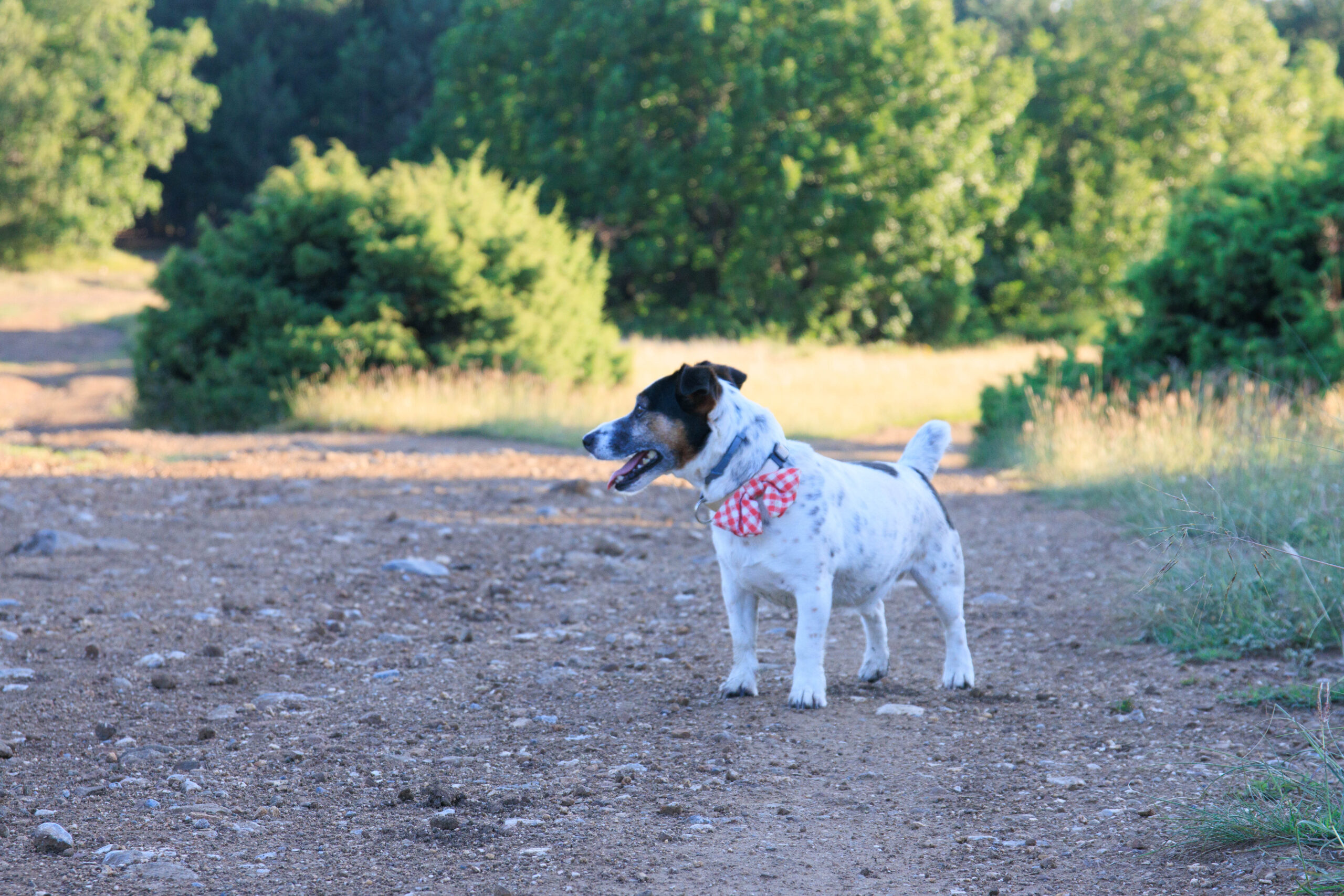
That moment took years of work. I have lived with dogs for more than two decades, and Milo, my eight-year-old Jack Russell Terrier, has taught me more about impulse control training than any dog before him. Terriers were bred to chase and grab prey with no hesitation. That instinct makes them brilliant hunters and terrible decision-makers around traffic, food, and other distractions.
Impulse control is a dog’s ability to resist an immediate urge. It is the pause between stimulus and action. A dog with good impulse control can see another dog and remain calm. A dog without it pulls toward every distraction, bolts through doorways, and grabs food off counters.
The stakes are higher than frustration or embarrassment. Approximately 100,000 dogs die each year in vehicle-related incidents in the United States, and nearly 69% of road traffic accidents involving dogs occur with strays or off-leash pets. These numbers include dogs who bolt out of yards, chase cars, or run across streets after animals. Poor impulse control can kill.
Understanding impulse control in dogs
When I brought Milo home as a puppy, he had no pause button. He lunged at every dog, grabbed food from my hand before I set the bowl down, and shot through the front door the moment it cracked open. I thought he would grow out of it. He did not.
Some breeds struggle more than others. Terriers, herding dogs, and hounds were bred to act on instinct with speed and agility. Milo was bred to chase rats into burrows and bite without hesitation. That makes him exceptional at his original job and terrible at waiting.
Training impulse control in dogs is a game-changer; it changed Milo’s quality of life. He no longer lives in a state of constant arousal. He can walk past other dogs without losing his mind. He waits at doors instead of bolting into traffic. He eats his meals calmly. These skills gave him freedom. A dog who cannot control his impulses cannot be trusted off-leash, cannot go to crowded places, and spends his life being pulled away from everything he wants.
The benefits extend beyond safety. A dog with impulse control is easier to live with. Guests can enter the house without being mobbed. Mealtimes are calm. Walks are enjoyable. The dog has more freedom because he can be trusted.
Getting started with dog impulse control training
I trained Milo in short sessions: five minutes, twice a day. Any longer and he became frustrated. I started in the house with no distractions. Once he succeeded reliably, I added challenges: the doorbell, other dogs, and food on the floor.
The foundation of impulse control training in dogs is simple. You reward the pause. You teach the dog that waiting gets him what he wants faster than lunging. This takes time. Milo did not learn to wait at doors in a week. It took months.
Patience matters more than technique. I failed many times. I got frustrated when Milo broke his wait for the tenth time in a row. I skipped training sessions when I was tired. Progress was not linear. Some weeks, he regressed. I had to accept that setbacks were part of learning.

How to Teach Impulse Control
Exercise 1: Wait for your bowl
Most dogs are greedy when it comes to food. They go crazy for it. Puppies even more. Milo was no different. He used to slam into my legs while I prepared his food. He barked, spun in circles, and tried to shove his head into the bowl before it touched the floor. It made feeding time a chaotic exercise.
I started by holding his bowl and asking him to sit. The moment his rear touched the ground, I lowered the bowl an inch. If he stood, I lifted it back up. No words, no corrections. Just a clear rule: sitting gets the bowl closer, standing moves it away.
The first session took five minutes. Milo sat, stood, sat, stood, sat. Finally, he stayed sitting long enough for me to place the bowl on the floor. I released him with “okay,” and he ate.
Within two weeks, Milo sat automatically when I picked up his bowl. Within a month, he stayed sitting until I gave the release word. Now he waits calmly for every meal. The chaos disappeared.
If your dog breaks the sit, lift the bowl and start over. Do not scold. The consequence is built in: breaking the wait delays the reward.
Exercise 2: Door manners
Milo used to blast through every open door. Front door, car door, gate. He did not look or pause. He just ran.
I taught him that doors do not open until he sits and waits. I stood at the front door with Milo on a leash. I reached for the handle. He lunged. I stepped back and waited. He sat. I reached again. He lunged. I stepped back.
This went on for a while the first time we tried. Eventually, he sat and stayed sitting while I cracked the door. I clicked and treated. Then I closed it and repeated.
Progress was slow. I increased the criteria gradually: door opens an inch, door opens halfway, door opens fully, I step through, he waits until I release him.
Now, when I tell him we are going for a walk, he goes to the door and sits patiently for me to put on his leash. Then, he waits for me to open the door, and waits for me to tell him to come. This skill has kept him from running into the street more times than I can count. I use the same method for car doors. He waits in the back seat until I clip his leash and give the release.
The key is consistency. Every door, every time. If I let him push through once, I undo weeks of work.
Exercise 3: Leave it
“Leave it” is a must for every dog. This command can save your dog from “enjoying” bones, rotting food, and possible poison. You can never be sure what is out on the streets or in the park.
For this exercise, I began indoors. I held a treat in my closed fist. Milo sniffed, licked, and pawed at my hand. I waited. Eventually, he gave up and looked away. The instant he did, I clicked and gave him a different treat from my other hand.
I repeated this until he looked away from my fist immediately. Then I made it harder. I placed a treat on the floor and covered it with my foot. Same rule: looking away earns a better treat.
Once he understood the concept, I moved outside. I dropped treats on walks and said “leave it” before he grabbed them. If he left them alone, I rewarded him with something better. If he went for them, I blocked with my foot and waited for him to disengage.
This skill requires practice. I still reward him every time he leaves something alone on walks. The behavior has to stay strong. The progression is critical. Do not skip steps. Milo had to succeed at easy levels before I added difficulty.
Exercise 4: Settle on your bed
When guests arrived, Milo used to lose his mind. He jumped, barked, and spun in circles. I could not have a conversation without physically restraining him for the first few minutes when they entered our house.
I taught him to go to his bed and stay there until released. I started by tossing a treat onto his bed and saying “bed.” He followed the treat. I clicked and gave him another treat on the bed. Then I released him with “okay.”
From there, I added duration. He had to stay on the bed for three seconds before I clicked. Then five seconds. Then ten. Slowly, I introduced distractions like walking around the room, opening the front door, or having someone knock on the door.
Now, thanks to impulse control dog training, the bed becomes a place of safety and calm. Milo knows that lying on his bed earns rewards and makes stressful situations easier. I reinforce this daily. Even when no one is visiting, I randomly ask him to go to his bed and reward him for settling.

Exercise 5: Greeting people and dogs
Like most puppies, Milo wanted to greet every dog and person he saw. He lunged, whined, and pulled on walks. Greetings were frantic and overwhelming. I want him to meet people and dogs, but do it calmly.
The goal was to teach him that calm behavior gets him closer to what he wants. For example, when he saw another dog, I stopped walking. If he pulled or lunged, we stood still. If he looked at me or relaxed the leash, we took one step forward. This exercise is easy when you have a friend with a dog.
And it might be the hardest to teach. It can take weeks or even months before your dog becomes calm when he sees another dog. At first, we barely moved. He pulled, and I stopped. Then, he sat, and I stepped forward. Finally, he pulled again, and I stopped. Some walks took twenty minutes to go fifty feet.
Now Milo can walk past other dogs with a loose leash. If I want him to greet them, I ask for a sit first. He sits, waits, and then I release him to say hello. The greeting is calm instead of explosive. The same method works for people. If someone wants to pet Milo, I ask him to sit first. He sits, the person pets him, and if he stays calm, the interaction continues. If he jumps or gets too excited, I step back and reset.
Exercise 6: Park observation
The park is overstimulating. Dogs running, children playing, squirrels darting, people walking. Milo used to pull toward every movement. He could not relax.
I taught him to sit with me and observe without reacting. This skill took the longest to build.
We started in our neighborhood. I had Milo next to me and rewarded him for sitting calmly and watching the world. A bird flew by. Milo tensed but stayed sitting. I rewarded that.
After several weeks, we moved to a quiet corner of the park with minimal distractions. We sat together for five minutes. I rewarded Milo every ten seconds for staying calm. If he lunged or pulled, I waited for him to settle before rewarding him again. Gradually, we increased the difficulty, staying closer to the action and staying longer. After a while, I started rewarding less frequently. I don’t want to bribe him with treats; I want him to learn so that I can reward him.
This exercise built his tolerance for stimulation. It taught him that he could be in an exciting environment without losing control. The key was gradual exposure. I did not throw him into chaos and expect him to cope. I started at his threshold and slowly pushed it.
Exercise 7: Wait at the curb
This is the skill that will keep your dog alive. Whenever I approach a street with my dog, I have him sit and wait for the release word before crossing.
We began by stopping at every curb on walks. I asked my dog to sit, and once he sat, I paused for a few seconds, gave him “okay,” and then crossed. If he tried to step off the curb before the release, I gently pulled him back and waited for a sit.
Within a month, Milo started sitting at curbs without being asked. The behavior became automatic. Now he stops at every curb, even when he is excited or distracted. And I reinforce this behavior constantly, on every walk.
Troubleshooting common challenges
Regression is normal. Dogs do not learn in straight lines. If your dog regresses, lower your criteria and go back to the drawing board. For example, if your dog cannot wait for 10 seconds, lower it to three. And when he succeeds, gradually increase the difficulty again.
High-energy breeds need more mental work. Milo is a terrier. Physical exercise alone does not tire him. Training sessions exhaust him in ways that running does not. Five minutes of impulse control work is harder for him than an hour at the dog park.
If your dog seems frustrated, the task might be too hard. Lower your criteria. Make it easier. Let them succeed.
The relationship beyond behavior
The end goal is to become partners with your dog. Your dog should trust you that waiting gets him what he wants. And you should trust him to make good decisions.
The work will be worth it. Every repetition, every frustrating session, every moment you feel like you want to quit will lead to a safer, calmer, and happier dog.
Impulse control training is not about dominance or obedience. It is actually more about teaching your dog to think before acting. That skill benefits every part of their life. It keeps them safe, reduces stress, and strengthens your bond.