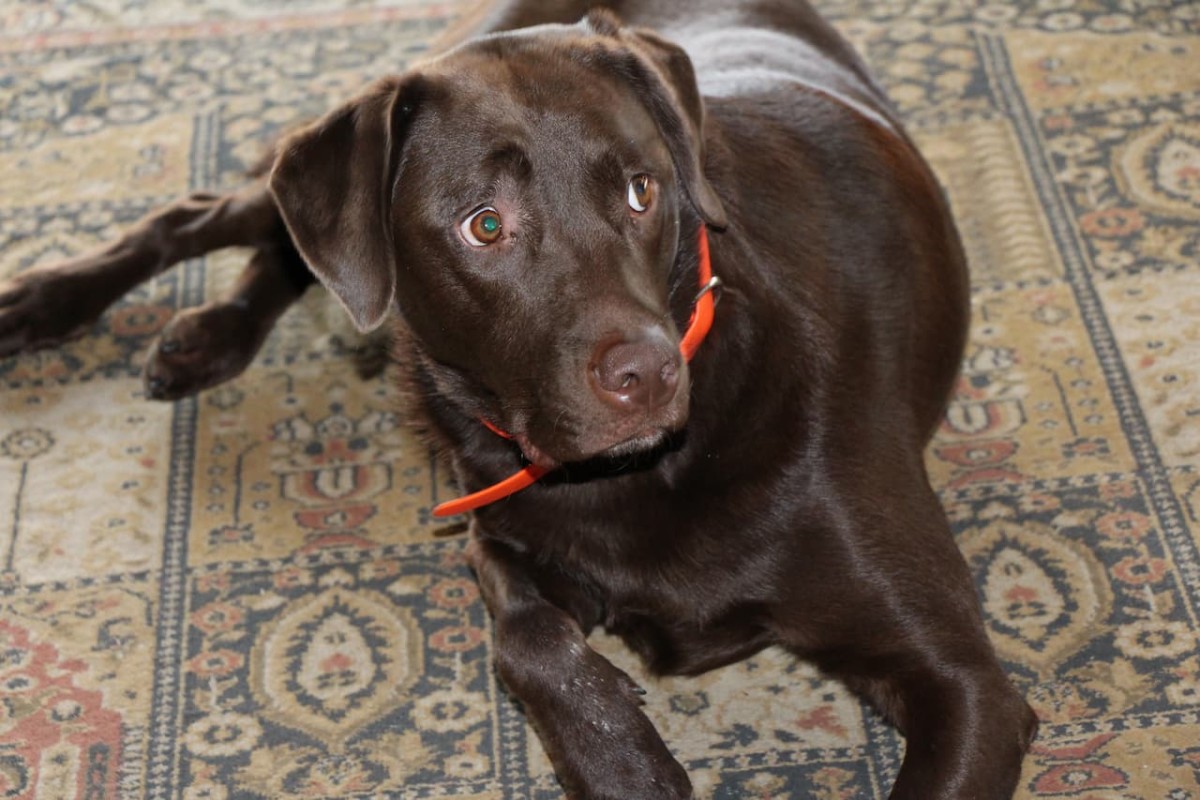
Many pet owners feel puzzled by why dogs scratch the carpet, especially when they do it at night, all of a sudden, or before lying down. Is your dog trying to dig a den, mark their territory, or have some fun? In this article, I’ll tell you about some possible reasons behind this common canine habit and offer unique insights on how to stop it.
What Does It Mean When Your Dog Scratches the Carpet?
When dogs scratch the carpet, it’s not necessarily the fabric they are after. Perhaps your pup also attempts to dig other surfaces, like the couch, the bed, or the lawn. Depending on the context and the individual animal, this behavior can mean different things.
1. Natural Digging Behavior
Dogs are natural diggers; some breeds are more so than others. For example, terriers, beagles, and dachshunds are masters at digging, thanks to their inborn instincts. They may scratch the carpet to:
- make the spot more comfortable and cozy to sleep on before lying down
- hide their toys or raw marrow bones
- satisfy their curious nature
Some dogs use digging as a way to cope with stressful situations. You may notice your pup behaves this way suddenly during thunderstorms, fireworks displays, or when worried about being left home alone.
2. Marking Mechanism
One particularly effective way dogs leave a scent trail is through the glands on the underside of their paws. That means that when they scratch, scent glands release a unique odor recognizable by other canines. These markings tell the others that this area belongs to them.
Suppose your pup scratches the carpet when they are excited, nervous, or in the presence of other pets. In that case, they may be trying to leave their mark and assert dominance or express their desire to mate.
3. Separation Anxiety
Many pets worry about being left alone and like to kick up a fuss, a problem that vets and animal behaviorists call separation anxiety. This distressing behavioral disorder triggers great anxiety in dogs when they are separated from their owners during the day or at night.
Dogs with separation anxiety can get quite destructive, mainly due to their boredom and uncertainty about when their owner may come home. Typical destructive behaviors include:
- scratching
- chewing
- digging
- barking and whining
- peeing or pooping indoors
So, if they dig at the carpet when they see you getting ready to leave or when you return home, they’re probably not happy about your absence.

How Do I Stop My Dog From Destroying the Carpet?
Scratching the carpet is annoying, and damaging the flooring and furniture can be costly for pet owners. The behavior can also tell us that our dogs are unhappy or bored. Fortunately, preventing or reducing this behavior isn’t complicated by following these few suggestions:
Offer Physical and Mental Engagement
A tired dog is a good dog. We must ensure that our companions get enough exercise and playtime daily. Set up a suitable schedule depending on how old they are, their breed, and how active they feel. As examples, you can include gentle or brisk walks, swimming, hiking, and playing with other dogs in the neighborhood.
Plus, there are many terrific options in pet stores these days for keeping a dog’s mind happy and alert. From puzzle toys to snuffle mats, there are plenty of ways to help your pet release their pent-up energy and lessen boredom and anxiety.
Train Your Dog With Positive Reinforcement
Have you ever heard of the training technique “positive reinforcement”? This method rewards dogs for the behaviors you want and ignores the unwanted ones. It is the most successful method to change unwanted canine behavior, and animal behaviorists endorse it worldwide.
Using positive reinforcement, you can kindly persuade your dog to stop scratching the carpet using a clicker and some tasty treats. The idea is to:
- “Click” and reward the dog when they are calm and relaxed on their bed or mat
- Ignore them when they start scratching the carpet
Another option is to redirect their focus to a more appropriate activity. Perhaps you can entice them with a safe chew toy or bone.
By committing to being patient and consistent, the dog will learn to associate the carpet with no attention and the bed or toy with positive attention.
Manage the Environment
Sometimes, the most promising way to stop a dog from scratching a carpet or floor is to prevent them from accessing it in the first place. To implement this strategy, you may need to use baby gates, crates, or pens to confine your pup for a while.
Please note that this experience should be pleasant for the animal. The idea is to furnish a comfortable area with their bed, toys, and water where they’ll feel happy.
Alternatively, consider protecting your carpet with a rug, mat, towel, or blanket that is easy to wash and replace.
Dealing With Separation Anxiety
If your dog scratches the carpet because of separation anxiety, try to make your departures and arrivals less stressful. Four things that work well are:
- leaving them with a stuffed Kong or a treat-dispensing toy
- playing some soothing music or white noise
- avoiding making a big fuss when you leave or come back
- having a neighbor or pet sitter check in once in a while
You may want to install a doggy camera to see what they get up to while you are out of the house, and give you more clues.
Final Thoughts
Dogs scratch the carpet for various reasons; each behavior has underlying meanings and consequences depending on the animal and the situation. By better understanding your pet’s behavior, you can provide appropriate outlets for their needs and emotions.
If you find yourself wondering, ‘Why does my dog keep scratching the carpet, no matter what I do?’, or if you have any concerns or questions about your dog’s behavior, please ask your vet or a professional dog trainer for advice.
Sources and Further Reading
- How to Keep Your Dog From Chewing and Scratching Everything | PetMD
Is your dog destroying your house? Find out what’s behind this behavior and how you can stop it with helpful tips from a certified veterinary behaviorist. - Behavioral Help for Your Pet | ASPCA
Many behaviors that are completely natural for dogs and cats—like barking or meowing, scratching, biting, digging, chewing, escaping, and running away—can prove to be challenging for some pet parents.