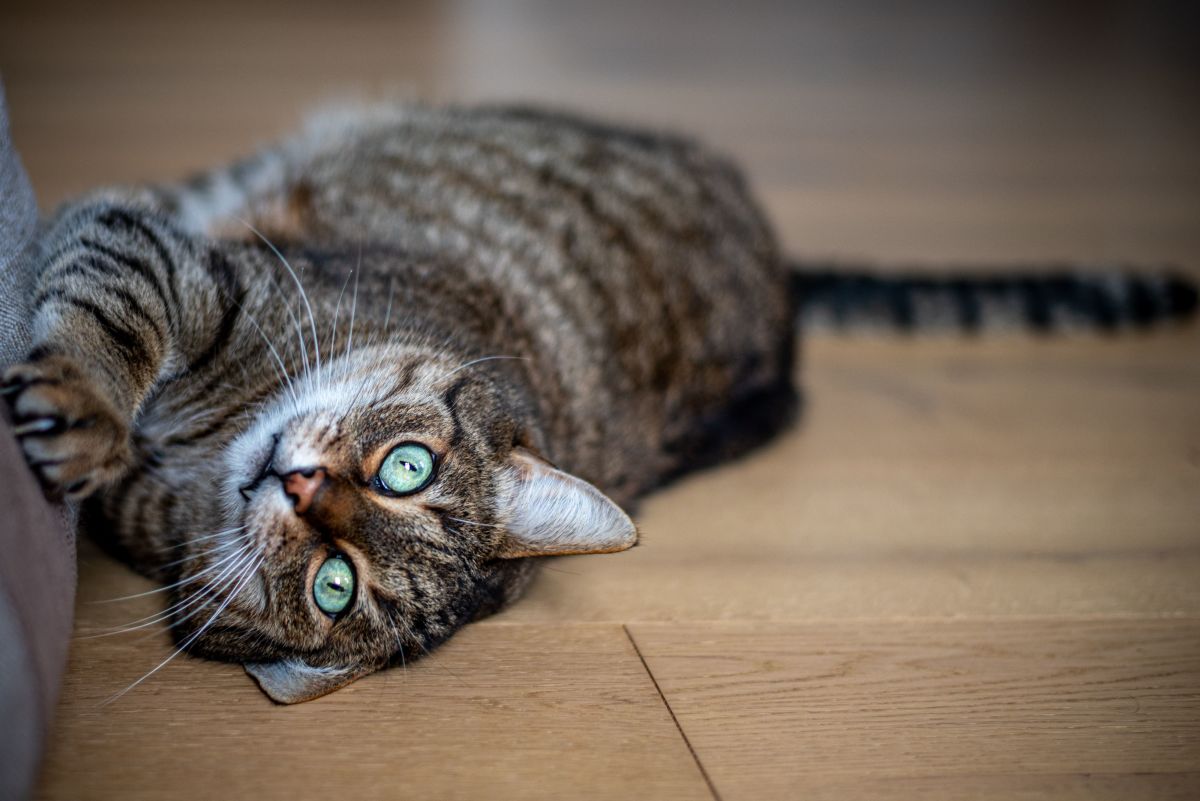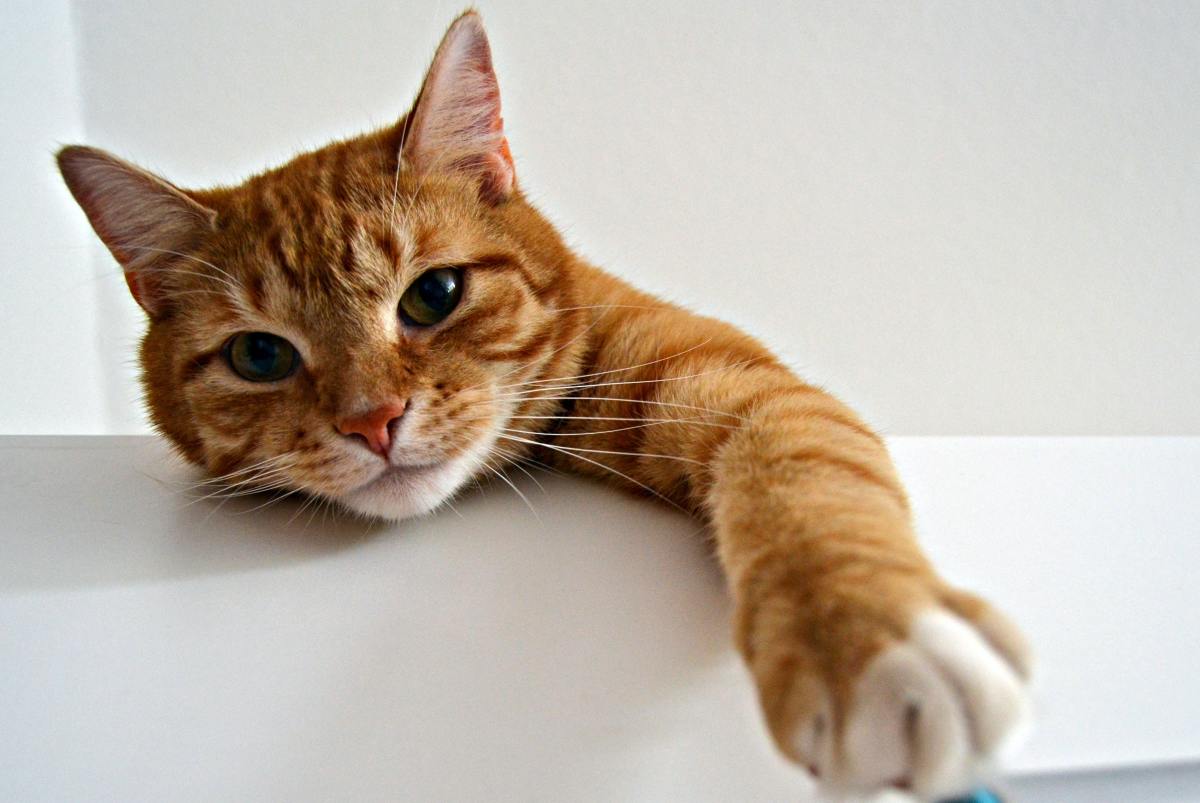
Have you ever woken up to your cat gently touching your face with their paw? Or maybe you’re relaxing on the couch when suddenly a soft paw reaches out to touch you. Why does my cat put his paw on my face? This common feline behavior can be cute, puzzling, or even annoying, depending on the context. Let’s see what your cat is trying to communicate.
How Cats Communicate
Here’s the thing to understand: cats communicate quite differently from how dogs do. Firstly, they tend to be more subtle in their body language and signals (1). When your cat reaches out with their paw, they’re simply using one of their primary communication tools. Think of it as the feline version of tapping you on the shoulder. Interestingly, cats have adapted their communication approaches specifically for living with humans over thousands of years (2).
Let’s explore six common reasons why cats put their paws on your face. Each one tells you something different about what the cat needs or feels in that moment.

1. Marking You as Their Territory
The Science Behind Scent Marking
Did you know cats have scent glands in their paw pads? These special glands release pheromones, which are chemical signals that cats use to communicate (3). When your cat touches you with their paw, they’re depositing their unique scent on you. This claims you as part of their territory and family group in the cat world.
Cats have scent glands in several locations throughout their bodies, including their cheeks, forehead, chin, and paw pads (4). The pheromones they release are completely undetectable to humans and dogs. They’re meant only for other cats (4).
What It Means
This behavior actually shows a lot of trust and affection. Your cat considers you part of their family unit. In multi-cat households, this becomes even more important as one cat may feel a stronger need to mark you as theirs when other cats are around (5).
How to Respond
Feel honored that your cat thinks of you as their territory, because it means they love and feel secure with you. You can reciprocate by petting them gently and speaking softly to them. Try rubbing your cheek against their head to exchange scents, which reinforces your bond.

2. Getting Your Attention
Cats are remarkably intelligent animals, and they know exactly how to get what they want from humans (1). Your cat may paw at your face because they want food or attention right now.
If your cat is hungry, they may want to wake you up to remind you it’s time for breakfast. If they’re seeking attention instead, they might use this behavior to get you to play or cuddle with them.
Timing Matters
You may notice this behavior happens more often in the mornings or when you’re busy with something else. Your cat may feel neglected or bored and really wants your attention. In this situation, they’ll typically use any means necessary to get it (6).
How to Respond
It helps to feed your cat as soon as possible if they’re hungry, since hunger can make them irritable and stressed. Consider buying an automatic feeder that dispenses food at set times, so your cat doesn’t have to rely solely on you for meals.
If they want attention, please try to spend quality time with your cat daily. Play with them, groom them, or just sit with them quietly. Get some new toys, scratching posts, and make some curious hiding places to keep your cat entertained when you’re not around.

3. Showing Affection
Your cat may also put their paw on your face simply to show affection (6). Cats aren’t quite as expressive as dogs, but they have their own special ways of saying “I love you.” Putting their paw on you is one sign of trust and intimacy (2).
Your cat may also purr, blink slowly, or rub their head against you as signs of affection. You probably notice this behavior more when your cat is relaxed and happy, like when they’re lying on your lap or snuggling in bed with you.
When They Need Reassurance
This behavior might also happen more often when your cat feels anxious or insecure about something. They need reassurance from you in these moments. Touching you with their paw comforts them and strengthens the bond between you.
How to Respond
Appreciate that your cat is showing affection, because it means they have a strong bond with you. They feel comfortable and safe in your presence. Show them that you love them back by stroking them gently and speaking softly. You can even mimic their behavior by touching their face gently or blinking slowly at them, which is considered a “cat kiss.”
4. Asking You to Stop
Sometimes cats put up a paw to politely ask you to stop doing something (5). Cats know what they like and don’t like, and they certainly have their boundaries. As such, they don’t particularly like it when humans push their limits.
For example, if you pet your cat too much, too hard, or in the wrong spot, they may put their paw up to your face to tell you to stop. They might also do this if you kiss them too much or get too close to their nose or mouth.
Warning Signs
This behavior is more common when cats feel irritated or overstimulated by what you’re doing. If you don’t respect their signals, your cat may escalate by growling, hissing, scratching, or even biting. It’s important to learn to read these cues early on.
How to Respond
Please respect your cat’s wishes and stop doing what they don’t like right away. Pushing past their boundaries can damage your relationship and cause them unnecessary stress or pain. Learn to read your cat’s body language so you can understand their likes and dislikes better.
Observe your cat’s reactions and adjust your behavior accordingly over time. Some cats enjoy being petted on the head, chin, or cheeks, while others prefer the back, neck, or base of the tail. Remember that some cats like being kissed while others really hate it.
5. Reciprocating Grooming Behavior
Cats are social animals, and they groom each other to bond and show their affection (1). Your cat may put their paw on your face because they’re actually “petting” you back (6).
When you touch or stroke your cat, they want to return the favor and connect with you. They may also lick or nibble on you gently as their way of grooming and showing care.
When It Happens Most
This behavior is more common when your cat feels happy and content, maybe after a meal or a nice nap. Your cat might also do this when feeling grateful or sometimes when they feel sorry for something they did wrong.
How to Respond
Enjoy that your pet is showing you love, because it means they consider you their friend and family. You could encourage this positive behavior by petting them gently and speaking to them softly. You can even thank them by giving them a treat or a favorite toy.
6. Initiating Play
Most domestic cats are naturally playful animals, and they love to chase, pounce, and wrestle (1). When your cat puts their paw on your face, they may be trying to start a game or join in on one you’re playing. Object play begins around 6 to 8 weeks old in kittens (1). It peaks at about 18 weeks and includes stalking, chasing, pawing, pouncing, and biting (1).
How to Recognize Play Signals
Sometimes a cat will do this when they’re bored or curious and want to explore our faces. This behavior is especially common when cats feel energetic and playful (which often happens in the evening). Perhaps your kitty is feeling a bit naughty or cheeky and wants to tease you (this typical trait makes cats so adorable).
How to Respond
It’s always a good idea to have fun with your cat and play with them regularly, since this keeps them content and entertained. You can use toys like balls, feathers, or lasers to stimulate their hunting instincts and make them run, jump, and chase.
You can use your hands during play, but please be careful not to hurt them or let them harm you accidentally. End the game positively by giving them a treat or a cuddle afterward.
What’s The Context of the Situation?
When trying to figure out why does my cat put his paw on my face, it helps to consider the context carefully. What time of day is it? Where are you both? What were you doing just before your cat reached out to you?
These details give you some important clues about your cat’s motivation in that moment. For instance, if they’re purring and making eye contact, it’s likely affection (6). If they’re near their food bowl or it’s close to mealtime, they probably want food. Or if their ears are back or their tail is twitching, they might be asking you to stop something.
Working On Your Cat Communication Skills
Figuring out feline body language takes practice and patience over time. The more you watch your cat, the better you’ll become at interpreting their unique signals. Each animal has their own personality and communication style that you’ll learn to recognize.
When your cat puts their paw on your face, pause for a moment to figure out what they mean by it. Then respond accordingly based on the context. Doing this improves communication between you and your cat significantly.
When to Be Concerned
Gentle pawing at your face is usually normal behavior, but sudden or erratic changes can sometimes mean behavioral problems. As an example, if the cat suddenly starts pawing at their own face excessively, they might have a dental issue or mouth pain (7). Cats are remarkably good at hiding pain, so it’s important to watch for behavioral changes carefully.
If the pawing behavior seems too much, has changed dramatically, or there are other concerning symptoms, it’s time to check in with your vet. They can rule out any health issues that might be causing the behavior.
Moving Forward With Your Cat
Gaining insight into why your cat puts his paw on your face can help you to respond appropriately to what they need. Whether they’re showing love, asking for something, or setting boundaries, your cat is communicating with you intentionally.
References
- Merck Veterinary Manual. (2025). Social behavior of cats.
- Albright, J. (2021). What it means when cats knead with their paws. CNN; The Conversation.
- Catster. (2025). Do cats have scent glands in their paws?
- Cat Care Center. (n.d.). Felines, pheromones, and claws.
- Cat Behavior Associates. (2025). How cats use scent communication.
- Sheba UK. (n.d.). Why do cats paw at you & what it means.
- Paws at Home Vermont. (2025). Reading your senior cat’s body language.