Is your dog a possessive eater? Do they snarl, snap, or bite at people or other animals who approach their bowls? Understanding how to stop food aggression in dogs is key to creating a safe home environment. This behavior, also called resource guarding, happens when dogs become defensive over items they value, such as food, toys, bones, or even people. The good news is that you can resolve this issue in a kind and gentle way using positive reinforcement techniques. Read on to learn nine evidence-based methods to teach your pet that sharing their food is rewarding and safe.
What Is Food Aggression?
Food aggression is a form of resource guarding. It happens when the dog avoids, threatens, or behaves aggressively to control food or non-food items around a person or other animal (1). Research shows that resource guarding affects about 15-20% of dogs entering animal shelters (2, 3). Dogs may direct this behavior toward other dogs, humans, or both.
Aggression in dogs can range from mild to severe, depending on their personality, history, and environment:
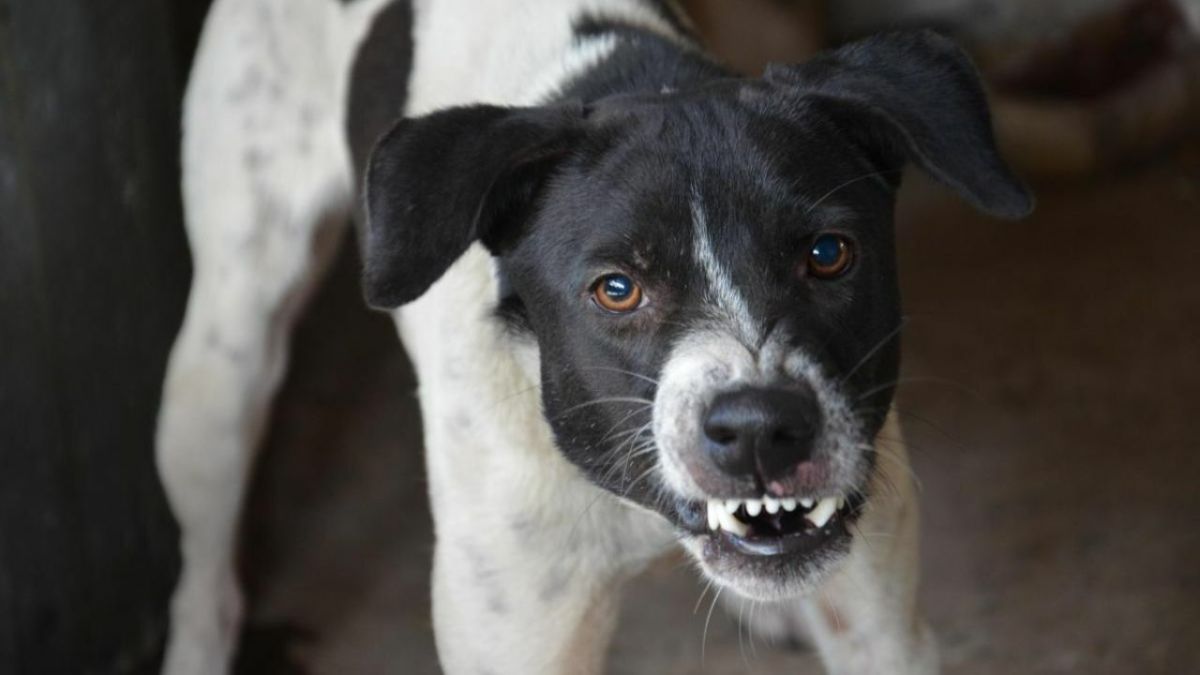
- Mild: The dog may growl, show their teeth, or stare at you or another animal when approaching their food.
- Moderate: The dog may snap, lunge, or bark at you or another animal when they get too close to their food.
- Severe: The dog may bite or attack you or another animal if they try to touch or take their food.
Factors Contributing to Food Aggression in Dogs
| Factor | Description |
|---|---|
| Genetics | Some breeds or individuals may be more prone to food aggression than others due to their instincts or temperament. |
| Hunger | An underfed dog, or one not fed regularly, may act aggressively around their meal to ensure survival. |
| Competition | A dog competing with other dogs or animals for food may feel the need to secure its share. |
| Fear | A dog who has suffered abuse, neglect, or unfair treatment around food may want to protect themselves from harm. |
| Learned Behavior | Dogs that have successfully scared people or other animals away by growling or snapping may continue because it works. |
Interestingly, research challenges some common assumptions about food aggression. A study by the ASPCA examining 900 dogs from cruelty cases found that underweight dogs were not more likely to display food aggression than normal-weight dogs, suggesting that past food scarcity alone doesn’t cause this behavior (4). This indicates food aggression is a naturally occurring canine behavior shown by a small percentage of the population regardless of life history.
Important Note on Dominance Theory
Interestingly, resource guarding has nothing to do with dominance. The misconception that dogs show aggression because they don’t understand their “place in the pack” has actually been scientifically debunked (5). This misconception often leads to training using force and punishment. As a result, this makes resource guarding worse and can cause your animal to fear you. Studies have shown that reward-based methods are more effective and humane when managing behavior problems like resource guarding (5).
Important: Patience, consistency, and positivity are key when learning how to stop food aggression in dogs. Please never use force, intimidation, or punishment on your pet, as this will worsen the problem.

How to Stop Food Aggression in Dogs
The good news is that proper training and management can help you address how to stop food aggression in dogs. Here are nine kind and gentle, evidence-based ways to help your dog behave more appropriately at meal times:
1. Feed Your Dog in a Calm and Quiet Place
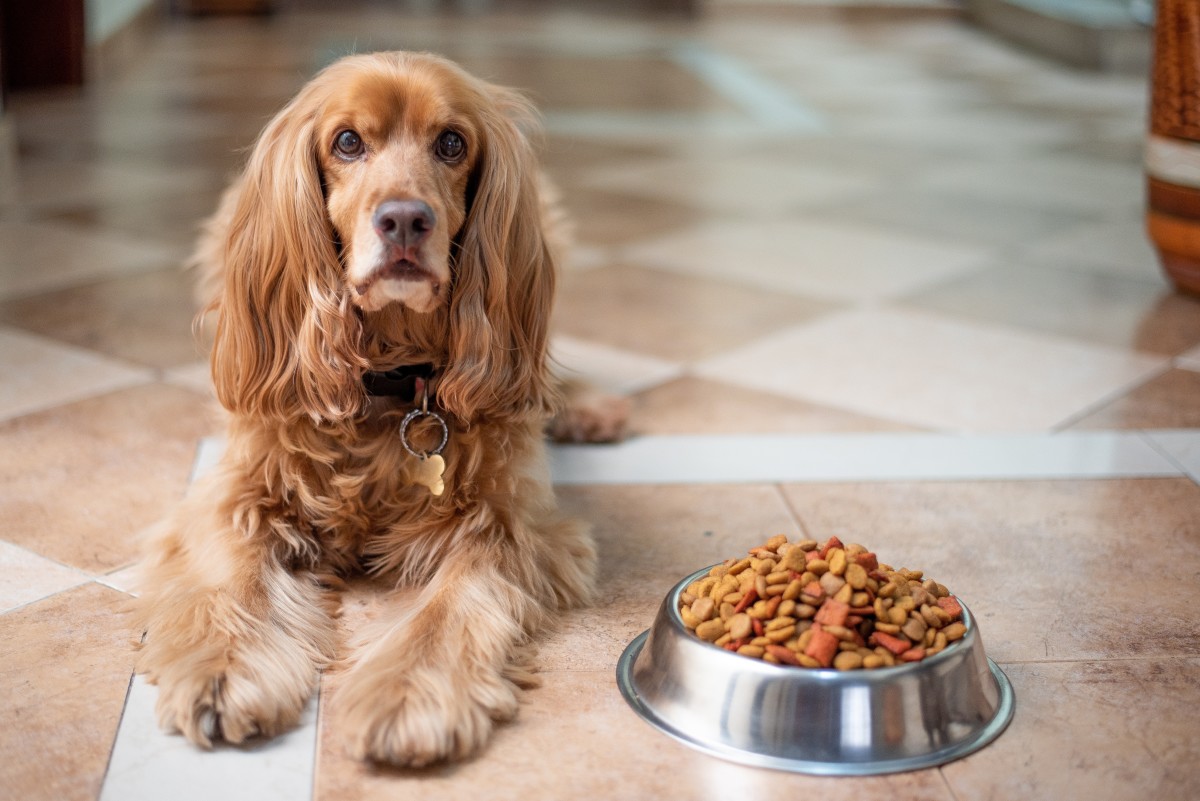
Feeding your dog in a peaceful, quiet environment free from threats or disturbances is one of the simplest ways to prevent and reduce food aggression. Choose a separate room, a crate, a corner, or a mat that your dog associates with positive experiences.
Ensure that no one bothers your dog while eating and that they have enough space and time to finish their meal. Research shows that removing the food dish during mealtime is associated with an increased likelihood of expressing more severe or frequent resource guarding behaviors (6). Don’t try to take away their food or bowl unless necessary, and if you do, always trade it for something better, such as a treat or a toy.
2. Feed Your Dog by Hand
Hand-feeding your dog is a gentle way to strengthen your relationship and show them that you are not a danger to their food. These four steps can also help them learn impulse control and table manners:
- Offer small pieces of kibble or treats from your hand when they are calm and relaxed
- Praise them for taking the food gently and patiently
- Close your hand and wait until they calm down if they try to grab the food aggressively or impatiently
- Then offer it again
As your dog is being hand-fed, teach them fundamental commands like “sit,” “stay,” “leave it,” and “drop it.” They’ll learn to associate food with cooperation and obedience. Research shows that teaching dogs to reliably “drop” items when requested is linked with a reduced likelihood of resource guarding aggression and avoidance (6).

3. Teach Your Dog the “Wait” Command
The “wait” command helps teach dogs self-control and respect around food. It can also prevent them from rushing toward their food bowl and becoming possessive.
To teach your dog the “wait” command:
- Start by holding their food bowl in your hand while they are sitting in front of you
- Ask them to “wait” and lower the bowl slowly toward the floor
- If your dog stays still and doesn’t move towards the bowl, praise them and release them with a cue word like “okay” or “take it”
- If your dog moves towards the bowl before you release them, say “uh-uh” or “no” and lift it again
- Repeat the process until your dog can wait patiently for your release cue
Gradually increase the difficulty by lowering the bowl closer to the floor, placing it on the floor, moving away from the bowl, or adding distractions. Always reward your dog for waiting and release them with a cue word.
4. Give Your Dog Treats While They Are Eating
Another way to stop food aggression in dogs is to give them treats while eating from their bowl. This method is supported by research showing that the addition of palatable bits of food during mealtime is associated with an increased likelihood of less severe resource guarding behavior (6).
- Walk past your dog while eating and toss a treat into its bowl or next to it
- Don’t make eye contact or talk to them; act casually and calmly
- Repeat this several times until your dog expects and welcomes your approach
You can also gradually increase the difficulty by getting closer to your dog, bending down, touching their bowl, or picking up their bowl and putting it back down with a treat inside. Never push your pet too quickly or far beyond their comfort zone; be mindful of their body language.
5. Feed Your Dog Multiple Small Meals
Feeding your dog several smaller meals throughout the day can help them feel more satisfied and less hungry, reducing their aggression toward food. This approach is supported by research showing that when food is plentiful and readily available, resource guarding is rarely observed, whereas aggression increases with competition for scarce resources (7).
To feed your dog more often, divide their daily food amount into three or four portions and offer them regularly. You might also use puzzle toys, slow feeders, or interactive feeders to make meals more fun and challenging, which can also prevent gulping food that leads to gastrointestinal issues and choking.
6. Feed Your Dog After You Eat
Feeding your dog after your meal has ended can help establish your leadership and authority, thereby reducing their food aggression. It can also help them learn to wait patiently and respectfully for their turn.
- Ignore your dog while you prepare and eat your meal
- Don’t offer any scraps or attention
- Clean up your dishes when you finish
- Then feed your dog in a calm and quiet place
- Don’t reward them for begging or whining for food

7. Socialize Your Dog With Other Dogs
Engaging your dog with other dogs can help them learn how to share and play nicely with others, which can improve their behavior around food. It can also expose them to different situations and environments, boosting their confidence and reducing their fear.
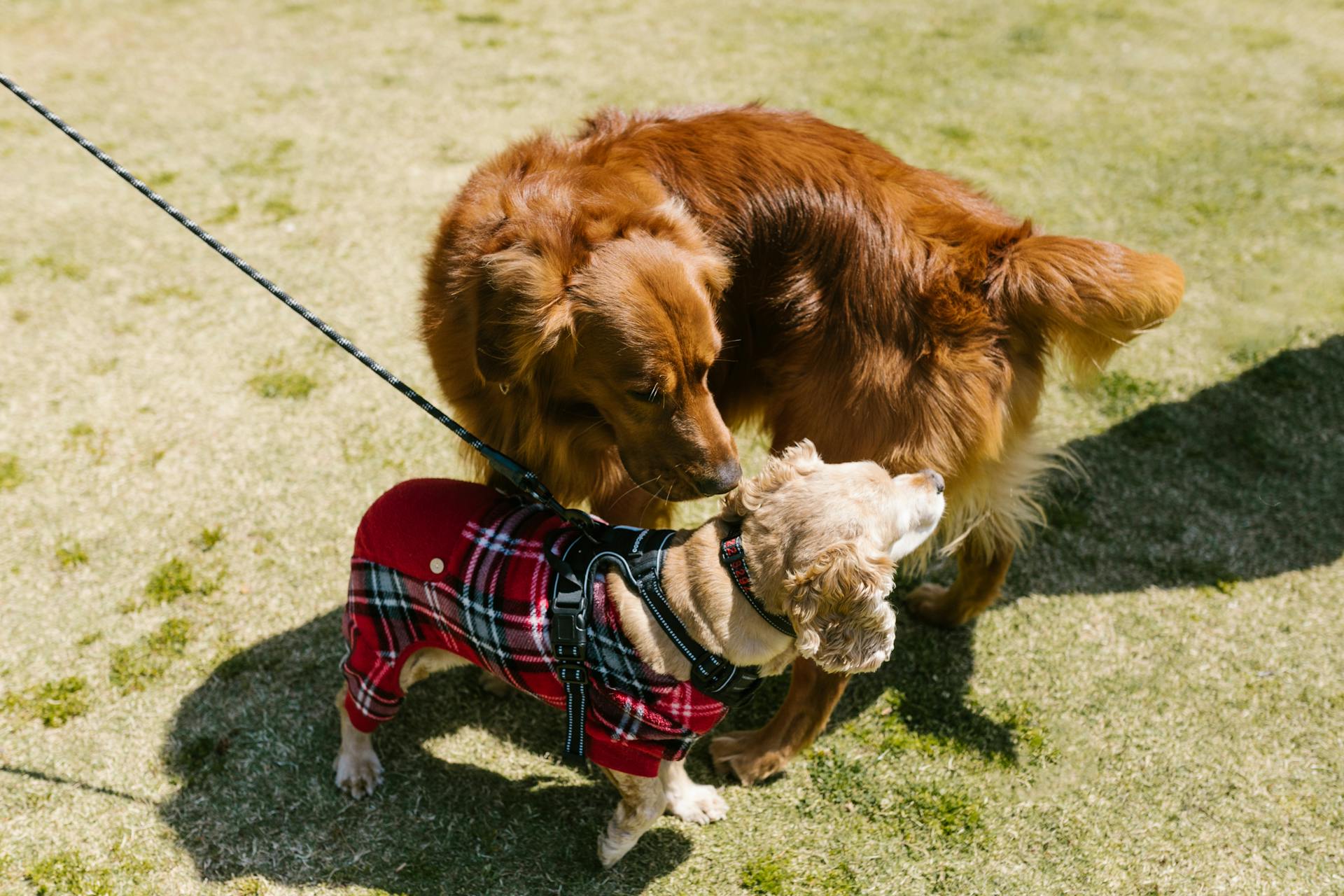
- Introduce them to friendly and well-behaved dogs in a neutral and safe environment (such as a park or a friend’s house)
- Let them sniff and greet each other calmly and politely
- Praise them for being friendly
- If they show signs of aggression or discomfort, separate them immediately and try again later
You could also sign your dog up for a playgroup or training class where they can interact with other dogs under supervision. Avoid feeding your dog around other dogs until they are comfortable and relaxed with them.
8. Consult Your Veterinarian About Spaying or Neutering
While spaying or neutering is often recommended for population control and health benefits, its effects on aggression are complex and not always straightforward. Research on the relationship between spay/neuter and aggression has produced mixed results.
Some studies have found that resource guarding can be more frequent with intact animals (8). However, other large-scale studies have shown that neutered males had the highest odds of having bitten a member of the household, followed by spayed females and intact males, with similar trends for growling and resource guarding (9). These studies suggest that the relationship between spay/neuter status and aggression is complex and may be influenced by factors such as age at surgery, breed, and individual temperament.
If you’re considering spaying or neutering as part of addressing behavioral concerns, discuss the ideal timing and potential effects with your veterinarian. The decision should be made based on your individual dog’s circumstances, health status, and behavior history.
9. Speak to an Expert
If your dog’s food aggression is severe or doesn’t improve with these techniques, you need the assistance of a qualified trainer or veterinary behaviorist. They can identify the underlying cause of the issue and provide you with a personalized treatment plan.
A professional can assess your pet’s personality, background, environment, and triggers. They can teach you how to handle your dog safely and provide support and guidance toward a calmer, more tolerant animal. Working one-on-one with a certified professional should be your first step when addressing resource guarding to ensure you stay safe and your dog gets the positive training they need.
When to Seek Professional Help
Seek professional help immediately if:
- Your dog’s aggression is escalating or becoming more frequent
- Anyone in your household has been bitten or is at risk
- You feel unsafe around your dog during meal times
- Home training methods aren’t producing results after several weeks
- Your dog shows aggression in multiple contexts beyond food
Top tip for how to stop food aggression in dogs:
Start by giving them space and dropping high-value treats near the bowl so they learn your approach means good things, not threats.
Final Thoughts
Learning how to stop food aggression in dogs begins with kind, evidence-based methods. Resource guarding is relatively common but treatable. You can help your dog overcome it and enjoy meals peacefully by understanding the causes, recognizing the signs, and using positive reinforcement, desensitization, and counterconditioning techniques. Remember that punishment and force-based methods have been scientifically shown to worsen resource guarding and damage your relationship with your dog. But with patience, consistency, and the right approach, you can teach your dog that sharing their food is rewarding and safe.
Sources
- Jacobs, J.A., et al. (2018). Defining and Clarifying the Terms Canine Possessive Aggression and Resource Guarding: A Study of Expert Opinion. Frontiers in Veterinary Science, 5, 115.
- McGuire, B. (2019). Characteristics and Adoption Success of Shelter Dogs Assessed as Resource Guarders. Animals, 9(11), 982.
- Mohan-Gibbons, H., et al. (2012). Preliminary Investigation of Food Guarding Behavior in Shelter Dogs in the United States. Animals, 2(3), 331-346.
- Wrubel, K.M., et al. (2019). Are Underweight Shelter Dogs More Likely to Display Food Aggression toward Humans? Journal of Veterinary Behavior, 35, 25-31.
- Veterinary Information Network. Resource Guarding in Dogs.
- Jacobs, J.A., et al. (2017). Factors associated with canine resource guarding behaviour in the presence of people: A cross-sectional survey of dog owners. Applied Animal Behaviour Science, 188, 77-83.
- Scott, J.P., & Fuller, J.L. (1965). Genetics and the Social Behavior of the Dog. University of Chicago Press.
- PetMD. Does Neutering Affect a Dog’s Behavior?
- Farhoody, P., et al. (2018). Aggression toward Familiar People, Strangers, and Conspecifics in Gonadectomized and Intact Dogs. Frontiers in Veterinary Science, 5, 18.