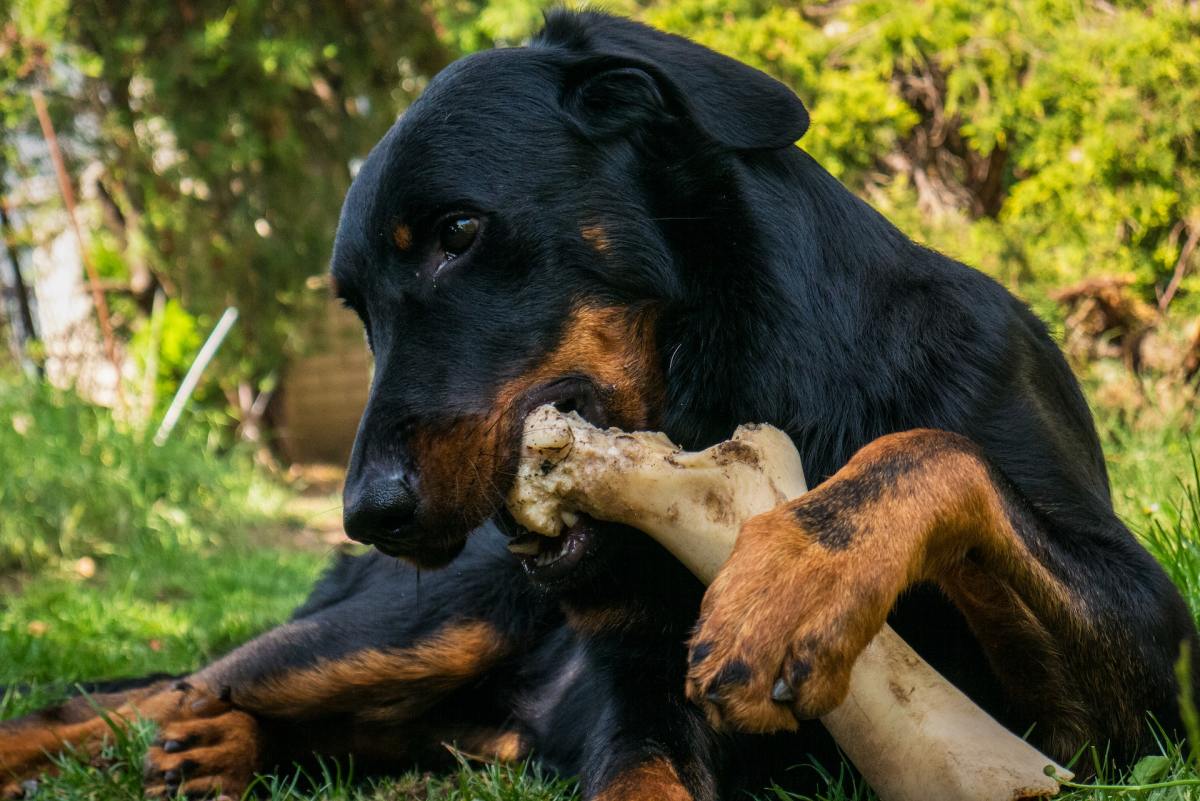
Raw marrow bones are exciting and nutritionally rich for dogs; they also carry risks like dental injury, digestive upset, and choking. Knowing what to watch for can help you enjoy the perks while keeping your dog safe.
What Are Raw Marrow Bones and Are They Good For Dogs?
If you’ve ever seen your dog fixate on a raw bone, you might have wondered what piques their interest. The marrow (a delicious, squishy, and fatty substance) that makes up the center of the bone is where the answer lies. Marrow is your dog’s nutritional treasure chest since it contains nutrients like:
- Iron: Necessary for dogs’ blood health, facilitating oxygen transport to their cells and organs.
- Antioxidants: These mighty compounds safeguard a dog’s cells from the ravages of free radicals, which can lead to inflammation and illness.
- Vitamin B12: Necessary to support the nervous system, including nerve function and brain health.
- Collagen: The primary component of skin, bones, cartilage, tendons, and ligaments, keeping your dog strong and limber.
- Glycine: An amino acid involved in numerous metabolic processes, including glucose, creatine, and bile acid production, as well as mood and sleep regulation.
- Glucosamine: A building block of cartilage that cushions joints, wards off wear and tear, and helps prevent arthritis.
- Chondroitin: Works with glucosamine to enhance joint health and mobility. Chondroitin plays a vital role in cartilage, making it essential to maintain overall joint health.
What Health Benefits Do Raw Marrow Bones Offer Dogs?
Marrow offers several primary advantages: improved energy levels, joint health, skin and coat radiance, and immune system support. It makes sense why dogs get so excited about it! Let’s look at what else these raw bones have to offer.
Dental Health Benefits
Marrow bones offer a healthy, natural way to keep your dog’s teeth in good condition. They can aid in removing tartar and plaque, lowering the chance of dental problems and foul breath. Also, chewing on these bones massages the gums and increases saliva production—a terrific way to improve oral hygiene.
Mental Stimulation Benefits
Your dog’s chewing tendencies will find a pleasing outlet in raw marrow bones. Mental stimulation is important for dogs, so bones can prevent boredom and relieve any stress. And did you know that even endorphins (organic molecules that encourage emotions of enjoyment and relaxation) can be released when a dog chews on a bone?
Digestive Health Benefits
Because raw bones contain good bacteria, they can improve immunity and digestion when enjoyed in moderation. The fiber the bones provide also helps with regular bowel motions and guards against constipation. However, too much of a good thing can be a bad thing; excessive consumption sometimes triggers an upset stomach and diarrhea.

Is It Safe to Give Dogs Raw Marrow Bones?
Raw marrow bones are exceptionally tough and dense, posing risks if not given to your pup correctly. As an example, veterinarian Dr. Jonathan Bloom talks about a common issue where dogs can get swollen lips and jaw entrapment due to getting marrow bones stuck in their fangs.
He and other veterinarians recommend that pet owners be careful while feeding marrow bones to their dogs, as they can cause tooth damage, splitting, and severe digestive issues. These points underline the importance of weighing the potential risks before giving marrow bones to your pet.
Risk of Dental Injury
Broken or damaged teeth might result from giving your dog raw marrow bones. These bones put a lot of pressure on teeth because they are rigid and inflexible. Your dog may suffer from a shattered tooth or other dental damage if they try to crack or chew the bone. Addressing this could be painful and expensive. Please remember your dog’s beautiful teeth!
Risk of Digestive Tract Damage
Raw marrow bones can cause digestive issues for some dogs—vomiting, diarrhea, or constipation are possible symptoms. Plus, these bones have the potential to break into sharp fragments and harm the mouth, throat, or stomach. The risk of swallowing bone pieces or splinters is a significant danger. A large chunk could cause an obstruction or perforation in the intestines—potentially fatal. Therefore, close supervision is necessary.
Risk of Choking or Jaw Locking
Should your dog attempt to swallow a bone whole or if it becomes stuck in their mouth, it could result in a choking hazard. When trying to extract more marrow from the bone, dogs can also experience jaw lock—a very unpleasant situation.
To remove the bone from a locked jaw (a distressing and dangerous scenario) you may need to call for expert assistance. Therefore, please ensure your pup always has the right-sized bones and watch them as they chew.
Risk of Pancreatitis or Obesity
The fat and calorie content of meaty bones may not be suitable for many canines. A high-fat diet can lead to pancreatitis, characterized by symptoms including fever, abdominal discomfort, dehydration, vomiting, and diarrhea.
Plus, consuming too many calories can lead to obesity, increasing the likelihood of various diseases like diabetes, arthritis, heart disease, and cancer. These factors highlight the importance of following a vet’s recommendations for a proper diet and regular feeding schedule.
How Can You Mitigate These Risks?
For your pup to enjoy raw marrow bones while minimizing potential risks, consider the following precautions:
Choosing the Right Type
Raw bones from bison and cows are usually safe when used correctly. It’s ideal to purchase them from a local butcher to know where they come from. Avoid cooked or smoked bones since they are more brittle and likely to shatter.
The American Kennel Club stresses that bones from poultry or pork are strictly prohibited. They break into shards that might seriously harm a dog’s mouth, throat, or intestines, as well as pose choking hazards.
I always avoid weight-bearing bones like femurs or knuckles (since my dogs find them very dense and hard). Choose softer, non-weight-bearing elements instead, such as ribs or tails.
Selecting the Right Size
You may wonder what size marrow bones are suitable for different dog breeds. A smaller bone size will reduce the possibility of choking or jaw locking. However, you want the bone to be big enough so your pup can’t wholly fit it in their mouth or swallow it. The bone should ideally be around twice as big as your dog’s mouth.
Introducing Gradually and Carefully
If your dog has never had raw bones, introduce them gradually and watch how they react. Due to the high fat content, those who first sample marrow bones may develop loose stools or vomiting. If this happens, cut back or stop feeding them until your pet adjusts.
Limiting Chewing Time
Set a limit of no more than 15 minutes of chewing time to prevent dental injury or bone ingestion. After that, it’s best to take the bone away and put it in the freezer for later use.
Important!
Please supervise your dog while consuming bones and alternative chews, and regulate the quantity and frequency of treats.
What Are Some Alternatives to Raw Marrow Bones for Dogs?
If you’re uncomfortable with feeding your dog raw marrow bones or if they face allergies, sensitivities, or medical constraints, you can consider some alternatives, with dental chews and rubber toys being the safest.
Dental Chews
With natural ingredients, dental chews are my number one alternative to raw marrow bones. They can reduce plaque and tartar buildup, freshen breath, fend off gum disease, and offer mental stimulation and enjoyment. Opt for high-quality products suitable for your pup’s size, age, and dietary requirements—Greenies and Denta Stix are terrific options.
Chew Toys
While many chew toys are on the market, check out the SPOT Bambone durable dog chew. This plaything claims to be tougher than natural beef or pork bones!
The bamboo fiber and nylon make it incredibly durable—perfect for heavy chewers and teething puppies. With its various delicious flavor options, the Bambone will entertain your pup for hours while encouraging healthy chewing habits and cleaning teeth and gums.
Rawhide Chews
Dogs love the crunchy pleasure that rawhide chews provide. They can have similar health advantages to raw marrow bones, including better digestion and dental health. Plus, they keep dogs busy and entertained for hours! Many dogs love these rawhide rolls made from natural components without artificial dyes, tastes, or preservatives.
Antlers (With Caution)
Antlers, shed by deer, elk, moose, or caribou, provide tough, long-lasting chews. As a bonus, they deliver vitamins and minerals, including calcium, magnesium, phosphorus, and iron.
Because they splinter less than raw bones, antlers appear to satisfy chewing instincts and help support oral health. However, they may be too tough for some animals’ teeth, so please choose wisely and exercise caution. Select fresh antlers that don’t have cracks or edges with a point.

Final Thoughts
Your dog may love raw marrow bones, but they can also be risky. A good rule of thumb is to give your pup a beef bone no more than once or twice a week and limit their chewing time to 15 minutes. This way, you can avoid giving them too much fat or calories or damaging their teeth or gums. You can freeze the bone and save it for another day if they don’t finish it in one go.
If you prefer to try some alternatives, look at rawhide chews, antlers, or dental chews and toys. These can provide similar benefits as raw marrow bones but with fewer potential risks of dental damage, choking, or infection. Whatever you choose, please confirm it fits your pet’s size and chewing style, and always supervise them while they chew.
Further Reading and Sources
- Why Bones Are Not Safe for Dogs | VCA Canada Animal Hospitals
Important safety warnings about bones and dogs from our friends at VCA Animal Hospitals. - Rawhide Bones and Treats for Dogs: Risks and Benefits | WebMD
WebMD says rawhide chews might cause difficulties for some dogs. Consider trying a variety of chewing treats and toys, including rawhide, natural marrow bones, and hard rubber toys. - Want To Give Your Dog A Treat? How To Pick Safe Dog Bones | Rover
Rover provides insights on how to pick safe dog bones for your pup. - Beef Marrow Bones for Dogs: FAQ | K9 Connoisseur
Dawn Miller at K9 Connoisseur offers her thoughts on beef marrow bones for dogs, their benefits and which beef marrow bones are the best. - Antlers for Dogs: Are These Treats Safe for Dogs to Chew? | American Kennel Club
Anna Burke provides thoughts on the safety of antlers for dogs to chew, noting they don’t seem to splinter as easily as bones or other toys.
Quest B. W. (2013). Oral health benefits of a daily dental chew in dogs. Journal of veterinary dentistry, 30(2), 84–87. https://doi.org/10.1177/089875641303000203