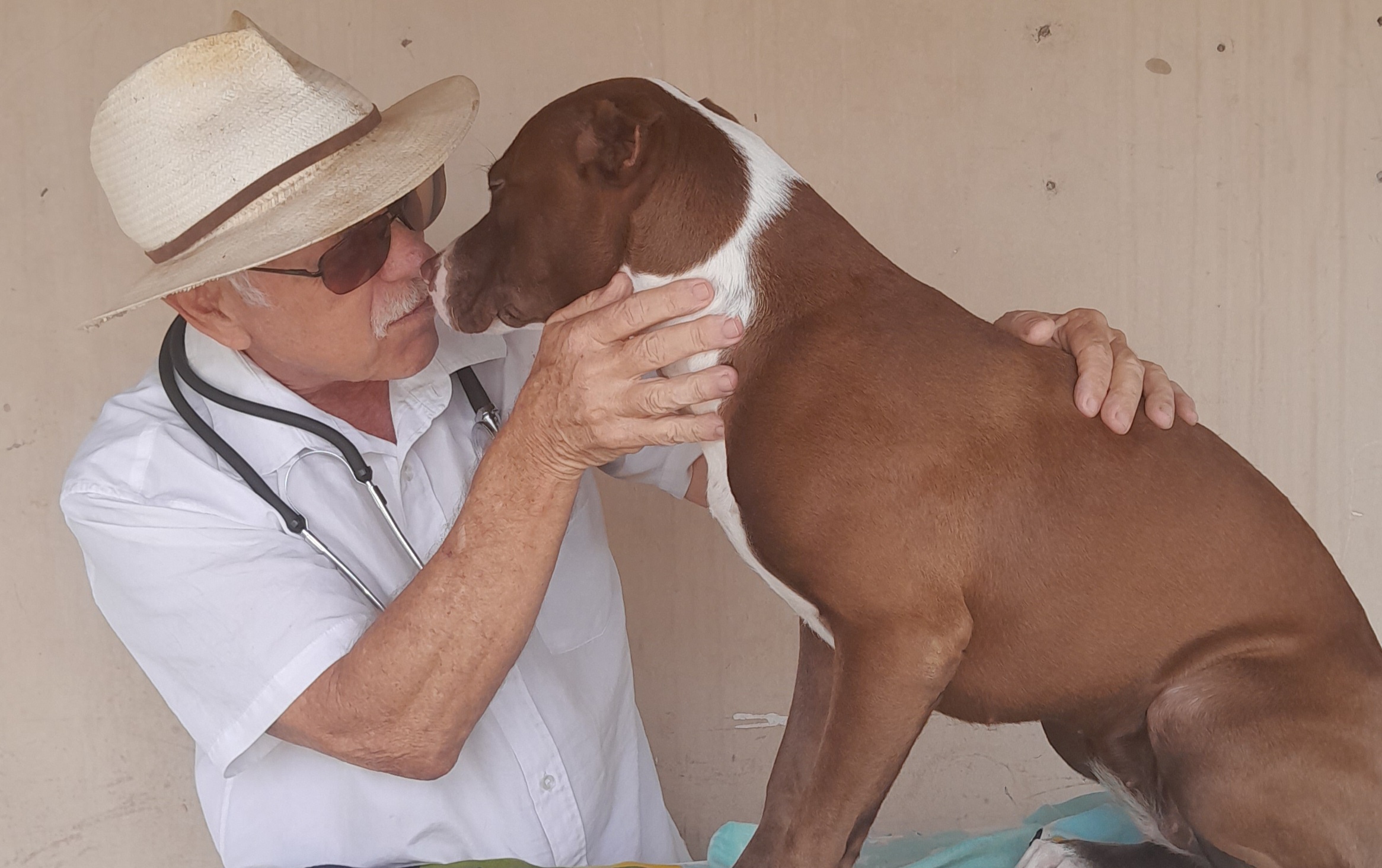
Dogs are not living as long as we once hoped, despite the advances in health care now available to so many of our pets. So why are dogs now sicker than they used to be? Health problems that we used to consider relatively rare have now become common. All of them are related to nutrition. Dry dog food is contributing to making dogs sick because:
- It’s ultra-processed and high in cheap carbohydrate fillers
- It contains preservatives and additives linked to obesity, inflammation, and cancer
- It also lacks the nutrients that support healthy gut function and neurotransmitters
These factors together contribute to chronic disease, allergies, poor digestion, and even depression.

Obesity
Processed diets high in calories from carbohydrates are causing many dogs to become obese. The processed foods also contain obesogens, phytoestrogens, and other compounds that contribute to obesity. We are still not sure how many chronic diseases are caused by obesity. However, diabetes, respiratory problems, and torn ligaments are all caused by obesity.
Those fat cells also release compounds called adipokines that cause inflammation throughout the body. And, when the joints become inflamed, the excess weight they have to bear contributes to the development of arthritis. When obese large dogs develop arthritis, we are often asked to put them to sleep because they cannot be carried around like a little dog.

Cancer
Processed foods have been linked to several types of cancer. Most ultra-processed foods have cancer-causing agents added as preservatives, moistening agents, and flavorings. Not all cases of cancer are caused by ultra-processed dog food, as many have a genetic component. But cancer is much more common in dogs than before these types of foods were used. All of the dry dog foods contain preservatives, moistening agents, flavorings, and other additives. These are listed as cancer-causing agents and are prohibited for human consumption in many parts of the world.
Although some cases of cancer are genetic and have nothing to do with the diet, those added chemicals have been linked to many cases of cancer in dogs. No family with a dog breed prone to cancer (Golden Retriever, Bernese Mountain dogs, Boxers, and many others) should increase the risk of cancer with processed foods.

Depression
There are many causes of depression in dogs. For example:
- being in pain from diseases like arthritis
- being left alone all day
- grief
- diseases like hypothyroidism
But we also know that ketogenic diets, which are meat-based, increase the levels of GABA neurotransmitters that are blocked during depression.
Dry dog food is made up of less expensive human food waste products that are less expensive (brewers rice, corn gluten, etc). Therefore, the GABA levels are not increased.

Skin Problems
Dogs can be allergic to some of the components in their food. And one common reason for skin disease is allergies to the components of ultra-processed foods. Dogs fed a meat-based diet have lower levels of compounds associated with increased inflammation and skin diseases in dogs. (3)

Diarrhea
Not all dogs that eat processed foods have loose stools. But we do see some pets that respond to a whole food that will help reestablish the microbiome, the bacterial population in the gut. Dry foods have to be sterilized to allow them to be shipped and sit on the shelf. As such, dogs on those diets may do okay with probiotics and prebiotics, but a whole food will help keep a normal microbiome.

The Ideal Canine Diet
Dry dog foods, despite their convenience, have many negatives. Instead, you might consider a whole-food diet. Let’s break this down by looking at some different food components and supplements that are helpful and beneficial:
1. Supplements
If you are giving all of the ingredients above, supplements are not necessary, but if you cannot add fish, for example, an omega-3 fatty acid supplement like fish oil should be given. (This product is processed and may not have the health benefits of giving whole fish.) Other supplements might be necessary or recommended if your dog has a health problem.
2. ~10% Raw Bones
As long as you have figured out that the skin disease is not related to an allergy to meat, you can use just about anything you have available. Butchers will often sell parts that humans do not want to use (like the legs and other bones), and if you live in an area where you can get chicken carcasses, necks, and feet, they will be inexpensive and nutritious. Raw chicken bones are safe to swallow and easily digestible.
3. ~50-65% Meat
If the bones you are giving already have plenty of meat attached, you can use less of this component. Beef tongue, heart, and beef cheeks are relatively inexpensive since they are not usually sold to people.
4. ~10% Organ Meats
In order to meet all of your dog’s vitamin requirements, you should add some organs, like the kidney, liver, and spleen.
5. ~10–25% Vegetables
Vegetables and other carbohydrate sources are not technically necessary, but they might contain some vitamins that your dog might be lacking. Some dogs will eat a piece of carrot, but most veggies need to be processed finely with a blender to be more digestible. Your dog does not need potatoes, rice, and grains, but some people add them because of the cost of the meat. (If cheaper meat is not available in your area, it may be okay to use a higher percentage of grains, about 10% of the total diet.)
6. Eggs
An egg contains many of the essential vitamins that may be deficient in the rest of the diet, so I add an egg, including the shell, several times a week. There are no scientific objections to using more egg protein in the diet, so if meat is relatively expensive compared to eggs where you live, you can substitute more of the meat portion of the diet with eggs. (You still need to give the bones for calcium and other minerals.) Some nutritionists believe that the egg white has more protein availability if cooked slightly, but the yolk should be raw so that the vitamins are not destroyed; poached or soft-boiled eggs are the best solution for that problem.
7. 5% or less of Fruit
This is not a necessary part of the diet, but dogs enjoy the sugars in fresh fruit. If you have fruit available, you can add it to the diet every few days; just be sure to feed it in moderation.
8. Fish
If you have access to fresh fish, you can include a sardine or a small piece of mackerel in the diet once or twice a week.

How long should our dogs live?
Several projects are looking at longevity in dogs. None of them, however, is going to help without some basic changes, like an improvement in nutrition. As long as corporations are making dog food for profit, they are going to use the cheapest fillers they can. Unfortunately, they do not have the dog’s best interest at heart.
Key Takeaway
Dry dog food is making dogs sick all over the globe. So, please, start feeding your dog correctly today. Consider a balanced whole-food diet built around meat, raw bones, organs, vegetables, eggs, and occasional fish. If you do not have the time to make up your dog’s food, you can purchase minimally processed food from several sources on the internet.
Sources and Further Reading
- Is Dry Dog Food Bad for Dogs? (4 Reasons Ultra-Processed Kibble Is Bad for Your Dog)
- Do Processed Dog Foods Cause Cancer?
- Effects of a whole food diet on immune function and inflammatory phenotype in healthy dogs: A randomized, open-labeled, cross-over clinical trial
- The influence of food processing methods on serum parameters, apparent total-tract macronutrient digestibility, fecal microbiota and SCFA content in adult beagles