Why Cats Meow More at One Sex over the Other: A Surprisingly Clever Strategy
Do you have a chatty-catty? If you’ve ever come home to a chorus of meows from your cat, you might assume they’re simply excited to see you. But a new study suggests that those little greetings might be more strategic than we thought—especially if you’re a man.
In 2025, researchers at Ankara University in Turkey conducted a small but fascinating study exploring how cats communicate with their owners. Their findings reveal something both adorable and intriguing: cats tend to meow more than twice as often when greeting male owners compared with female owners during the first moments after they arrive home.
Rather than being random chatter, those extra meows might actually show just how socially adaptable our feline companions are. And perhaps how they work to manipulate their owners into doing their bidding!

A Camera-on-the-Chest Experiment
To capture natural interactions between cats and their owners, researchers designed a clever experiment. Thirty-one cat owners participated in the study, each owner, wore a small camera mounted on their chest, as they returned home.
These cameras recorded the first 100 seconds of reunion with their cats—an exciting moment when many pets rush to greet their humans.
By reviewing the footage, researchers counted how often the cats vocalized. The results were clear:
- Cats meowed about 4.3 times on average when greeting male owners.
- They meowed around 1.8 times when greeting female owners.
Interestingly, when researchers examined other factors—like the cat’s age, personality, or living situation—none appeared to significantly affect the number of meows. The only variable strongly linked to vocalization frequency was the caregiver’s sex.
Cats Might Be Adjusting Their “Communication Style”
So, why would cats meow more at men?
The researchers proposed a simple but intriguing explanation: cats adapt their communication style depending on who they’re interacting with.
Many behavioral studies and surveys suggest that women tend to be more verbally responsive and attentive toward pets. They might talk to their cats more often, notice subtle cues, and respond more quickly to body language. Conversely, men, on average, may interact a bit less verbally with their feline companions.
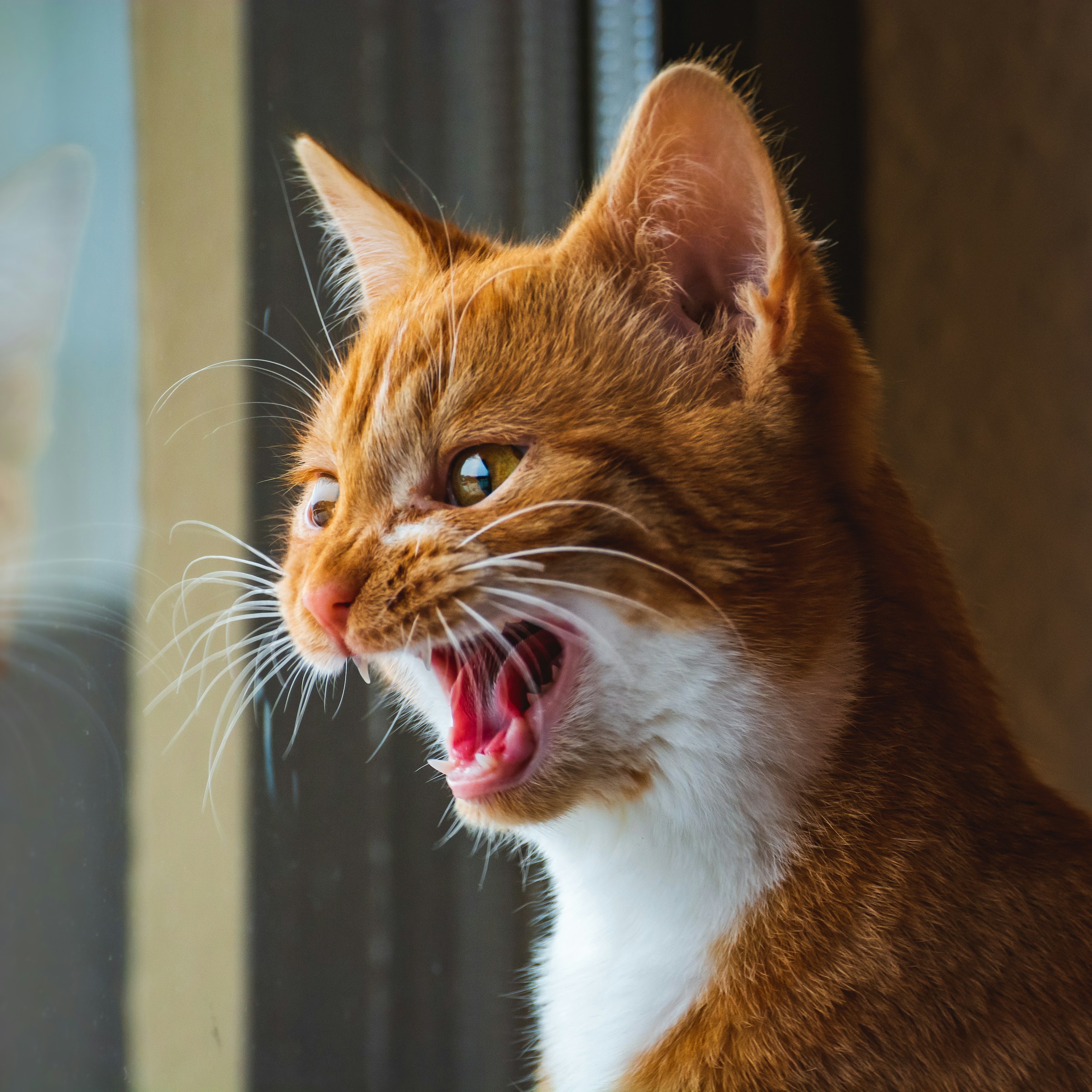
So what do clever cats do? They turn up the volume!
By meowing more frequently, cats may be trying to capture attention and encourage interaction from owners who are less likely to respond to quiet or subtle signals. In other words, cats might be learning what works—and adjusting accordingly.
It’s a bit like a friend repeating your name louder when you’re distracted.
Not About Preference—Just Smart Communication
One important point from the researchers: this study doesn’t suggest cats prefer one gender over another.
Instead, it highlights something arguably more impressive—cats are flexible communicators.
Just as humans might change how they speak with different people, for example children versus adults, cats may adjust their behavior to achieve the same goal: connection and response.
Cats already show this adaptability in other ways. For example, previous research has shown that cats often develop specialized meows specifically for humans, which differ from the vocalizations they use with other cats.
Your cat’s greeting might literally be a sound designed just for you.
A Small Study with Big Curiosity
Like many early behavioral studies, this one has limitations.
The sample size was relatively small—only 31 cats—and all participants lived in Turkey. Cultural differences in how people interact with pets could influence the results. For example, patterns of attention, speech, or caregiving styles may vary across countries.
Because of this, the findings shouldn’t be taken as universal just yet. Larger studies across different cultures would help confirm whether this pattern appears elsewhere.
Still, the study offers a charming glimpse into the everyday intelligence of our feline companions.
What Your Cat’s Meow Might Really Mean
Next time your cat greets you with an enthusiastic string of meows, it might not just be excitement—it could be their communication strategy. Cats are often described as mysterious or aloof, but studies like this suggest something different: they are observant, adaptable, and surprisingly tuned in to human behavior.
Whether they’re quietly blinking at a talkative owner or meowing extra loudly at someone who needs a little prompting, cats may be constantly adjusting their approach. Learning what works to make them happier and implementing their clever plan.
After all, when you’re living with humans, it pays to know how to get their attention. Let us know if you cat talks to you with special meows in the comments below!