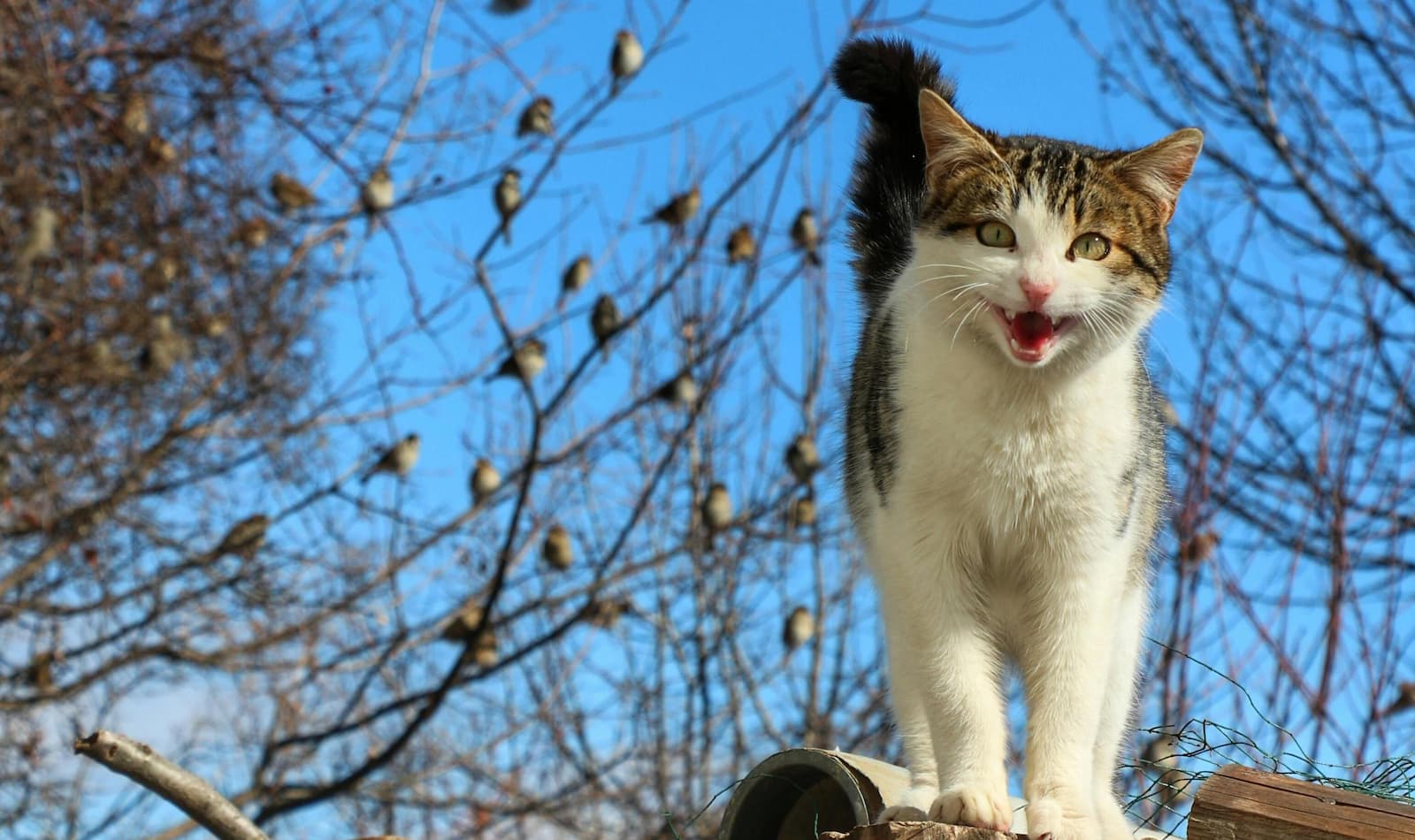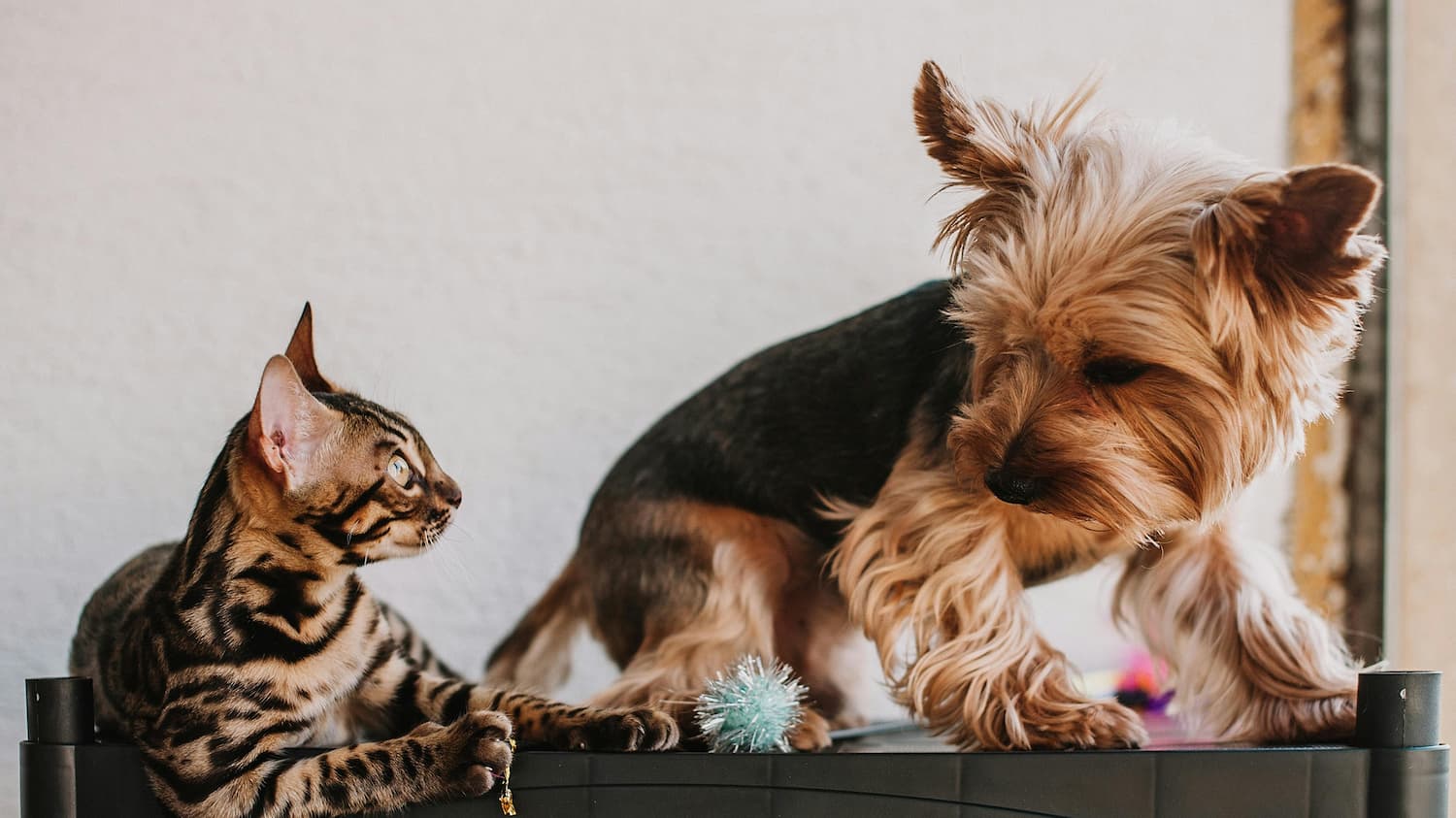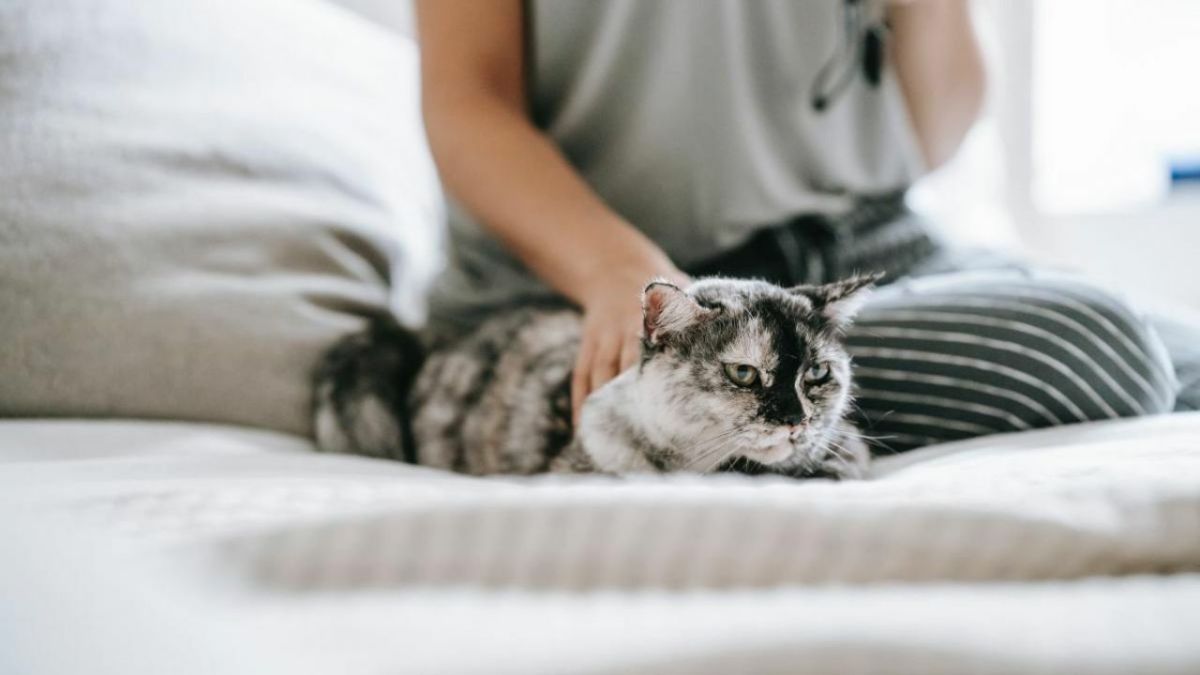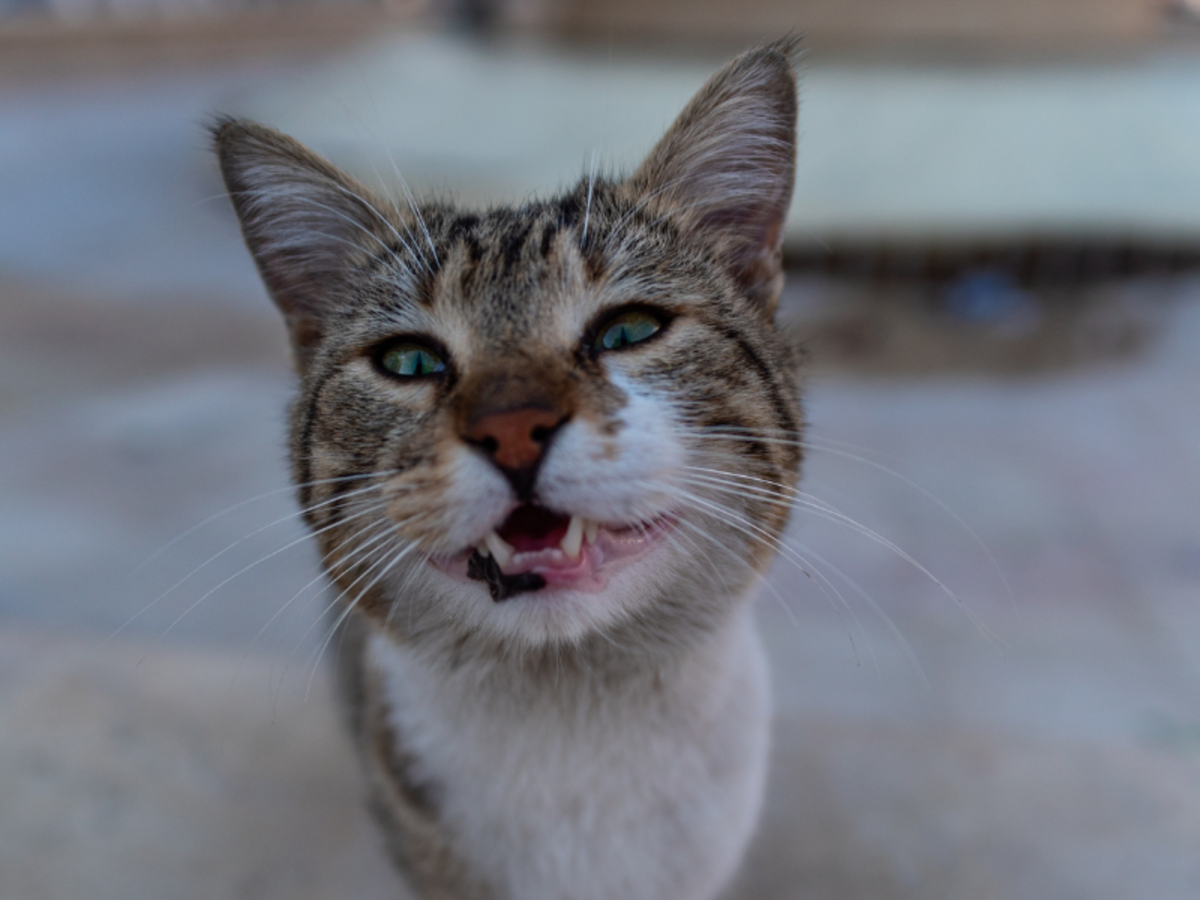
Have you ever wondered why your cat rubs its teeth on you (or your things)? It’s a peculiar behavior that many cat owners experience. I’ve been a cat lover for many years, and I’ve learned that this behavior, known as “head-rubbing” or “bunting,” is often recognized as a sign of affection. But that’s not all! Let’s explore why cats rub their teeth on you, on things, and even on other animals.
Reasons Cats Rub Their Teeth on You
- They are being affectionate
- They are marking their territory
- They are saying hello
- Because it just feels good
- They’re leaving their scent on you
How Cats Talk to Us With Teeth-Rubbing
Cats communicate uniquely: they rub their teeth, cheeks, foreheads, and bodies against us and our belongings to mark their territory with their scent. They use teeth-rubbing like humans use hands to touch and communicate with the world around us. Did you know felines also have special glands in their cheeks that secrete pheromones, which help them relax and feel safe? Let’s look closer at how cats use teeth-rubbing to talk to us:
1. They Are Being Affectionate
Cats are known for their independent nature, but that doesn’t mean they don’t crave affection. Rubbing their teeth on you is a sign of their devotion and bonding. It’s their way of showing they trust and feel comfortable around you.

2. They Are Marking Their Territory
One reason cats rub their teeth on you is to mark their territory. As territorial creatures, cats often use scent markings to communicate their ownership of a particular space or object. When a cat rubs its teeth against you, it leaves its scent on you, marking you as its own.
3. They are Saying Hello
Another reason cats nuzzle their teeth against you is to greet you. Cats use body language to communicate, and rubbing their mouths along you is just one way they say “hello.” You may have observed cats often accompanying this behavior with purring, head-butting, and other affectionate gestures.
4. It Just Feels Good!
Cats rub their teeth on you because it feels pleasant to them. The pressure from their teeth on your skin can be soothing, and rubbing against you can relieve stress. It’s like humans enjoying a massage or a hug when feeling anxious or overwhelmed.
5. They’re Leaving Their Scent on You as a Reminder
Cats have a keen sense of smell and are often attracted to familiar scents. When cats rub their teeth on you, they mark you with their scent and remind themselves of theirs. Different from marking their territory, this behavior can comfort them and help them feel more protected around you.

Is Teeth Rubbing an Aggressive Behavior in Cats?
When cats rub their teeth on humans, it’s natural to wonder if it indicates aggression or dominance. From my experience with cats, I’ve found that this is typically not the case. More often than not, teeth rubbing is just a clever way to mark their territory and deposit their scent on objects – including people – they come into contact with.
But, as with any animal behavior, there are exceptions. If the kitty feels threatened or uneasy, it may resort to aggressive actions like biting or scratching. That’s why closely watching their body language and vocalizations is helpful. For example, if a cat growls or hisses while rubbing their teeth against you, those are signs of negative behavior.
When Teeth-Rubbing Becomes Too Much
Suppose your cat’s teeth rubbing becomes too much to handle. While this behavior is generally harmless, it can become irritating or painful if done too aggressively.
I’ve experienced this situation with some cats, who repeatedly grind their teeth on their owners’ skin until it becomes raw. It can be frustrating and make people hesitant to interact with them in that way again.
What to Do
There are a few ways you can try to discourage your cat if their behavior is getting out of hand. The easiest method is redirecting their attention by tempting them with a toy or treat. Or, you could steer them towards a scratching post or another place where they can rub their teeth instead. Always stay calm and patient, as cats respond best to positive reinforcement.
Too much teeth-rubbing can sometimes imply an underlying medical problem or anxiety. So, if you’re concerned, it’s always best to err on the side of caution and check how to handle it with your vet.

How to Respond When Your Cat Rubs Their Teeth on You
You may wonder how to react when your cat rubs their teeth on you. Should you pet them, ignore them, or push them away? The answer depends on your kitty’s personality, mood, and preferences. Below are some guidelines that always help me know how to respond appropriately.
- Relaxed and happy? Pet them gently on their head or back
- Stressed or anxious? Distract them with a toy or a treat
- Aggressive or dominant? Push them away gently or say ‘no’ in a low voice
- Hungry or bored? Feed them or play with them
Remember that every cat is different and may have various reasons for rubbing their teeth on you. Try to understand your cat’s body language and signals, and respect their individuality. Doing so will strengthen your bond with your cat and help you enjoy a harmonious relationship.
Final Thoughts
Bunting or “head-rubbing” are terms used to describe the behavior of cats rubbing their teeth on you, on things, and even on other animals. When they brush up against us, cats release pheromones that give them a sense of security. They also show affection, feel secure, and tighten their bonds with us.
This fascinating behavior reveals a lot about feline personality and emotions. Bunting is typically a sign of love, but speaking to a vet is always a good idea if it appears to be aggressive behavior.
Do you like it when your cat rubs their teeth on you? Let us know in the comments below!
See also:
- The Fascinating Reasons Why Cats Headbutt Us and Our Things – Your Pets at Home
Why does my cat headbutt me? A light “bop” shows affection and love, while some overstimulated cats may headbutt more forcefully. - Why Do Cats Rub Against You? – PetMD