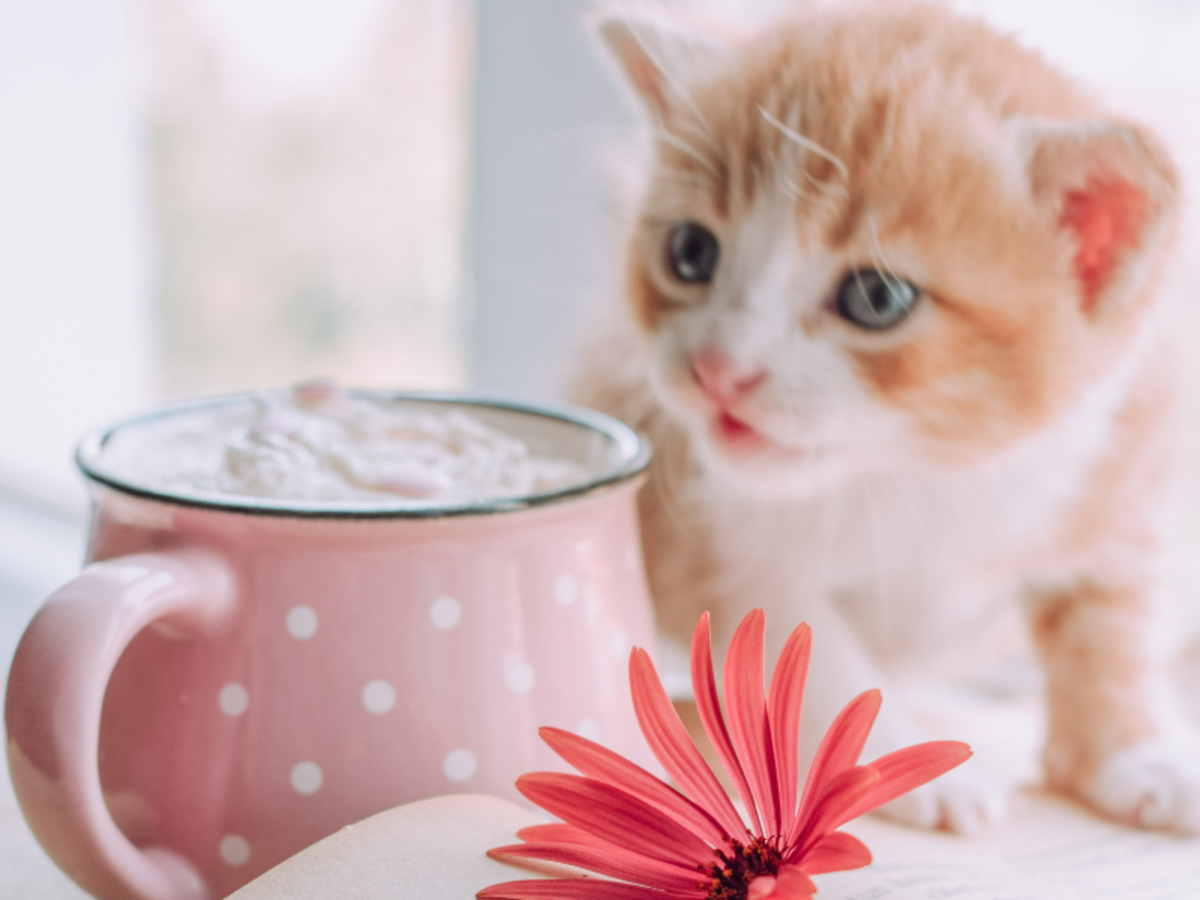
If your cat drank a lap of your coffee, you may be wondering if it is okay for them. A lap or two of coffee should be fine, but because cats are poisoned by caffeine, you’ll need to keep an eye on them and know what to do. Keep reading for pointers on the potential symptoms to watch out for and what steps to take to keep your pet safe and healthy.
Important:
Coffee is toxic to cats. If your cat consumed more than a lap or two, stop reading and call your veterinarian or the pet poison helpline right away at (855) 764-7661.
What Is in Coffee, and How Can It Affect Your Cat?
Coffee contains caffeine, which is a stimulant that can affect your cat’s body. Coffee also contains other chemicals, such as tannins, that can affect their health. Ingesting too much coffee can lead to vomiting, diarrhea, hyperactivity, and restlessness in cats. It can also cause an irregular heart rate and even death in extreme cases.
Can Decaffeinated Coffee Be Safe for Cats?
No. There is still some caffeine in decaffeinated coffee, plus other harmful substances (like theobromine, for example—an ingredient also found in chocolate), so it’s vital to keep all coffee away from your feline friend.
How Much Coffee Is Dangerous for a Cat?
Your cat’s size and age will determine this exactly. According to the Pet Poison Helpline, one or two licks of coffee, tea, or soda are unlikely to poison most pets. However, giving unused coffee grounds, beans, tea bags, or supplements to cats could result in severe toxicity.
Therefore, in general, your cat shouldn’t be harmed by a single lap of coffee. However, it’s prudent to avoid intentionally letting them drink any.

What Should I Do If My Cat Had a Lap of Coffee?
If your cat has had a lap of coffee, it is imperative to monitor them for any signs of caffeine poisoning. Within 30 to 60 minutes after consuming caffeine, cats may display clinical symptoms of toxicity. Please get in touch with your local veterinary clinic or animal hospital right away if your cat displays any of the symptoms that follow.
Common Symptoms of Caffeine Poisoning in Cats
- Vomiting
- Restlessness
- Agitation
- Hyperactivity
- Panting (rapid breathing)
Please realize your pet could start having seizures and tremors as the toxicity worsens. It is always prudent to call a vet to get the help you need if you have any queries or worries regarding your cat’s health.
How Do You Treat Caffeine Poisoning in Cats?
There are no over-the-counter treatments or home remedies to help care for a cat who has consumed too much caffeine. PetMD recommends that you take your cat to the vet right away for treatment.
Your vet might be able to cause vomiting to stop the body from absorbing any more caffeine, depending on how quickly you can bring your pet in. The cat may receive intravenous fluids to help flush caffeine from the body if the vet is unable to induce vomiting in time.
Aside from treating abnormal heart rhythms, your vet may also use medication to treat tremors and seizures, as well as to lower dangerously high heart rates.
The time it takes for caffeine to leave an animal’s system is between 24 and 48 hours. Most pets will survive as long as they receive care quickly.
How to Prevent Your Cat From Lapping Your Coffee
Some cats enjoy poking their heads or paws into cups or mugs. Although preventing your cat from drinking coffee may be difficult, doing so will improve its behavior and protect it from potential caffeine poisoning.
1. Remove the temptation. Always keep an eye on your cat while you’re drinking coffee. It might be a wise idea to avoid inviting your cat to sit on your lap while you drink your morning coffee. Disallow your cat from jumping up on furniture or getting too close if your mug is sitting on a nearby table or counter.
2. Instill a negative association. Take your coffee away right away if you see your cat sipping it. You can tell it not to drink from your mug by using terms like “bad girl” or “bad boy.” Cats are cunning creatures, so they might flee if you catch them lapping from the mug.
3. Offer them an alternative. Leave a cat bowl filled with water in the space. This will demonstrate to your cat that it can—and should—drink from the bowl rather than your coffee cup.
4. Reward your cat for being well-behaved. Give it a treat as positive reinforcement for its behavior if you notice it choosing not to lap from your glass or mug.

Other Harmful Sources of Caffeine
The fact that coffee’s caffeine can be harmful to cats’ health may go unnoticed by some pet owners. That is why it is vital to know everything you can about where caffeine may be found. Many of the foods and beverages in some people’s cabinets may contain caffeine without them knowing it.
The majority of individuals identify coffee as the primary source of caffeine, and they are correct in that assumption. However, this stimulant is often present in dietary supplements, over-the-counter painkiller combinations, and energy drinks. And besides chocolate, cats might also be tempted by liqueurs and coffee-flavored ice cream, which both contain caffeine.
Any Safe Alternatives for Cats Interested in Coffee?
As far as coffee, milk, and creamers are concerned, no. You might be tempted to offer a little milk or cream froth, but the reality is that cats don’t mix well with dairy products either. The most helpful thing you can do for your feline friend is to offer them healthy, cat-friendly treats and have plenty of fresh water available at all times. Please avoid giving them human foods or drinks that could be harmful.
Final Thoughts
It is not recommended to give your cat coffee, but if they have had a sip of it, don’t panic. What is toxic to a specific pet depends on several variables, including the quantity and size of the animal. Call the Pet Poison Helpline or seek immediate veterinary care if you suspect your pet has consumed something potentially harmful.
Sources and Further Reading
- Caffeine and Pets: Safety Tips and Considerations | PetMD
Here’s everything you need to know about caffeine toxicity in dogs and cats, what to do if you suspect your pet has consumed caffeine, and how to keep your furry companions safe. - Caffeine Are Toxic To Pets | Pet Poison Helpline
Caffeine Are Toxic To Pets Clinical signs are agitation, aggression, vomiting, diarrhea, drooling, tremors, & respiratory or cardiovascular depression. - Caffeine Toxicity in Pets | VCA Animal Hospital
Pet owners may not realize that caffeine can be harmful to their pets. They also may not know that many foods and drinks in their cupboards contain caffeine. This particular chemical can be toxic for both cats and dogs. - Can Kittens & Cats Drink Milk? | Purina
This article talks about how most adult cats can’t digest milk properly, which can lead to stomach issues.