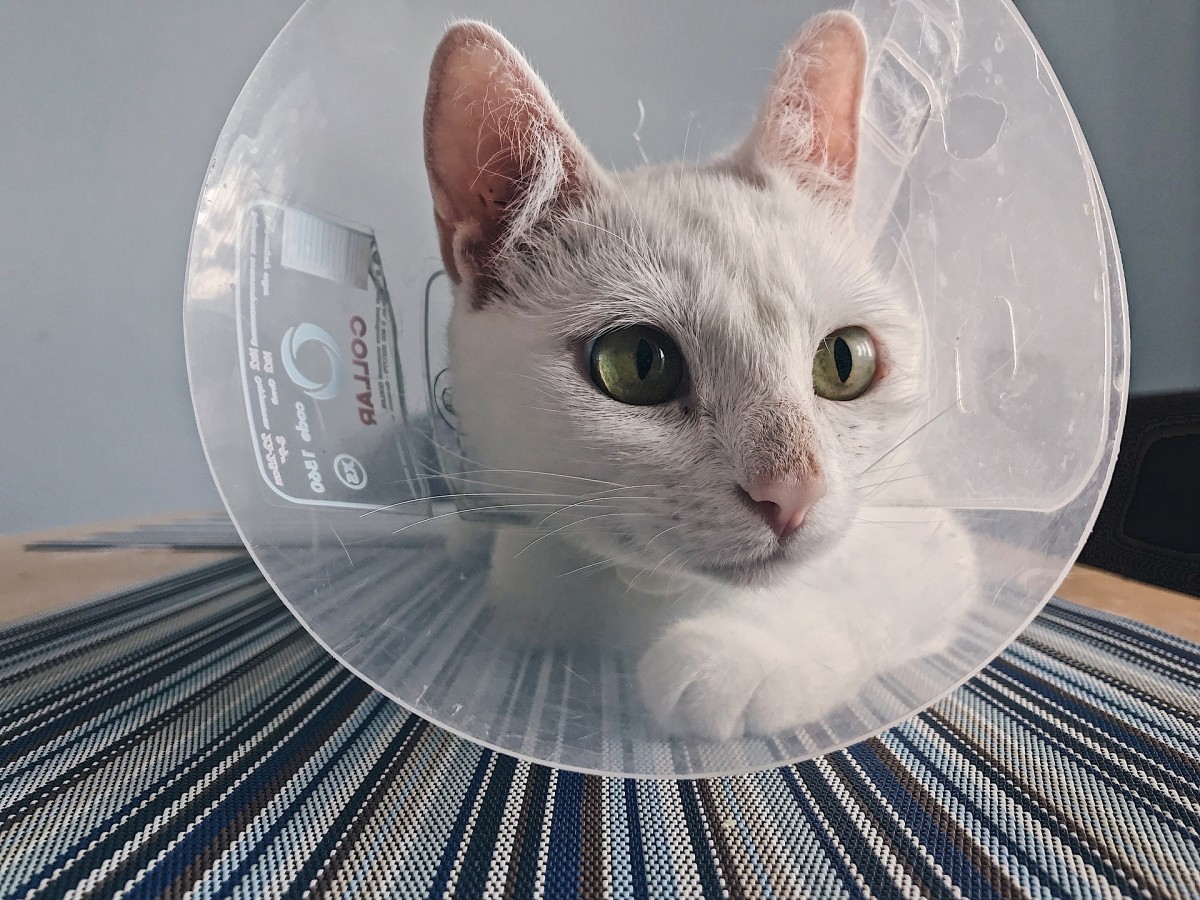
It is understandable to have questions and concerns about how your cat will recover from a neutering surgery. You’ll want to know exactly what to expect after neutering your cat in the following days and weeks. Here, I’ll offer some aftercare tips and insight into changes you might notice in their health, behavior, and personality.
What Is Neutering?
Neutering is a standard procedure that can benefit your cat’s health and behavior. Plus, it can reduce the number of unwanted kittens worldwide. But what exactly does it involve, and how will it affect the animal’s personality and appearance? First, we’ll look at the basics of neutering, and then we’ll discuss what to expect after neutering your cat.
The Procedure
Neutering is the act of surgically removing the testicles, which produce most of a male cat’s testosterone. This hormone is responsible for many behaviors and characteristics typical of males, including spraying urine, roaming, fighting, and mating. The procedure typically occurs between 4 and 5 months of age to prevent these behaviors from developing (1).
- A veterinarian performs the procedure under general anesthesia, usually taking less than an hour.
- Your cat will have a small incision in their scrotum, where the testicles are removed. The surgical wound is typically secured using biodegradable sutures or surgical adhesives (2).
- You may also notice a small green tattoo near the incision site. This simply indicates that the cat has been neutered. This tattoo is not an extra wound and doesn’t need any special care.

What to Expect After Neutering Your Cat
Now, let’s learn what to expect after neutering your cat, including recovery, incision care, behavior and health changes, feeding tips, and comfort care.
Health Expectations
Although this procedure can benefit a cat’s well-being, it doesn’t guarantee good health.
Neutering can protect the animal from testicular cancer, prostate disease, urinary tract infections, and sexually transmitted diseases. It can also help lower the risk of developing obesity, diabetes, kidney disease, and arthritis, often associated with high testosterone levels.
However, it’s so important to continue providing a well-rounded diet, regular exercise, and routine veterinary checkups after the recovery period.
Behavioral Expectations
Neutering can decrease the urge to spray urine, roam, fight, or mate, all factors the hormone testosterone drives (3). But does this mean your cat will become bored and lazy afterward? No, not necessarily.
This hormonal change can make male cats more calm, friendly, affectionate, and less aggressive, territorial, or anxious. It can also help prevent them from getting into trouble or injured by other animals. Nonetheless, behavioral concerns are a common reason why some people choose not to neuter their cats.
Even so, some cats may still display unwanted behaviors due to habit, stress, or other factors. So, you may need to address them with other methods. For example, environmental enrichment, behavior modification, or medical treatment. Your vet can give you more information on this.
Appearance Expectations
Neutering will cause your cat’s testicles to shrink and disappear over time. It will leave only a tiny scar at the incision point. These visual changes may make your pet look less masculine or more feminine than before.
However, rest assured that this doesn’t affect your pet’s identity or self-esteem. Cats don’t have the same concept of gender or sexuality as humans do. Your pet will still be the same individual you love and cherish, regardless of physical appearance.
Can Your Cat Still Get Another Pregnant?
Neutering can indeed prevent males from contributing to the feline overpopulation. And this leads to many unwanted kittens being born and euthanized yearly. However, you should also know this: males may still be able to impregnate a female for up to a month after the surgery. The reason is that some sperm may remain in their system (4).
Therefore, keeping your cat away from unspayed female cats is wise until they are completely sterile. You can support this by keeping them indoors or supervising them when they go outside.
Did you know…? Neutering can sometimes make cats’ fur thicker and shinier, and their meows higher in pitch. You might expect these changes in your cat because the procedure lowers their testosterone levels. This can affect their hair growth, texture, and voice box development.
How to Care for Your Cat After Neutering
Aftercare is a crucial aspect of your cat’s recovery from the surgery. Here are some things you can do to make your pet more comfortable and prevent any possible complications:
Keep Your Cat Indoors for at Least 24 Hours After Surgery
It is pretty typical for cats to feel dizzy, disoriented, or have a decreased appetite for the first day or two. They may also experience discomfort, nausea, lethargy, and vomiting because of the anesthesia and the procedure.
While they adjust,
- It helps to keep them quiet and rested in a warm, cozy place, away from other pets and children.
- Monitor their vital signs, such as breathing, heart rate, and temperature, to secure a stable recovery.
- It is also good to check for healthy hydration and blood circulation by looking at their gums. They should be pink and moist, not pale or dry.
- Remember to give your cat lots of cuddles and reassurance! You might try playing soothing music or white noise to help them relax and sleep better.
Monitoring Your Cat’s Incision Site
A small amount of blood or discharge is expected immediately after the surgery. But don’t worry; that should stop within a few hours. Some redness and swelling of the incision site are also likely.
You can help prevent complications by watching signs of the wound opening or tearing; this sometimes occurs if a cat licks or scratches it too much.
If the incision site is dirty or crusty, gently clean it with a damp cotton ball or gauze pad.
If your vet has recommended it, follow their instructions and apply some antibiotic ointment or cream to the incision site.
To reduce swelling and inflammation in the first 24 hours after surgery, you can use a cold compress or ice pack (wrapped in a t-shirt or pillowcase).
Please don’t delay contacting your vet if you see bleeding or signs of infection after neutering your cat. Watch out for pus, foul odor, excessive swelling, heat, or pain.

Preventing Your Cat from Licking or Chewing the Wound
Discomfort at the incision site can cause irritation, infection, or wound opening, sometimes leading to difficulties.
To prevent this problem, use an Elizabethan collar (also known as the “collar of shame”), a cone that fits around your cat’s neck and prevents them from reaching their wound with their mouth.
If you hate the traditional plastic ones, there are plenty of cute and functional recovery collars available to buy online. They come in various materials and colors. You ideally want to keep the device on your cat until the wound completely heals. This typically takes 10 to 14 days (5).
It helps to introduce animals to these collars gradually. So, if you can, do this before the surgery for fewer surprises. You can let your cat sniff it, wear it for short periods, and reward them with treats and praise.
Feed Your Cat Normally After the Surgery
Although a reduced appetite is typical for a day or two (due to anesthesia or painkillers), you can definitely help correct this. Start by offering small amounts of regular food and water throughout the day. This is a great approach to keep your pet hydrated and nourished.
Slightly warming up their meals or adding water or broth is an excellent way to make dinner more appealing. But please avoid giving them human food or treats that could upset their stomach or cause diarrhea.
Place their food and water bowls near their resting area, or syringe-feed your cat to encourage them to eat and drink.
To prevent weight gain after the surgery, adjust their portion size and calorie intake. You’ll need to do this according to their age, activity level, and body condition (6).
If your vet agrees, you can supplement their diet. Vitamins, minerals, antioxidants, or omega-3 fatty acids can help to support the immune system and wound healing.
Limit Activity for 10 to 14 Days Following the Surgery
Your cat will likely feel like playing or running around as usual. But they need to avoid any strenuous exercise or excitement that could cause them to strain their wound or pull their stitches. It’s also best to keep them apart from other pets that might excite or stress them.
Instead, offer some gentle toys or games that do not involve jumping or chasing. Puzzle toys are great for gentle stimulation. Consider spending some extra quality time with them by grooming or massaging them gently.
Here are a few extra suggestions for limiting their activity:
- To prevent your cat from jumping off the bed or other high places, lower their sleeping area or install a ramp or steps.
- To keep your kitty entertained and stimulated without overexerting them, rotate their toys every few days or hide some treats around the house for them to discover.
- To help them relax, you can use calming scents or pheromones, like lavender, chamomile, or Feliway.
Final Thoughts: What to Expect After Neutering Your Cat
Knowing what to expect after neutering a cat can give you peace of mind. You’ll be prepared to know about the health, behavior, and personality expectations. Also, this will help you prepare for surgery and aftercare. Following these tips will help with a smooth and speedy recovery. Please show your cat plenty of love and care, and, as always, contact your vet for any questions or concerns.
Sources and Further Reading
- Is There an Optimal Age for Cat Spay or Neuter? – Today’s Veterinary Practice
- Cat Neutering: A Guide to Castration and Spaying – PDSA
- Cat Neutering and Behavior – VCA Animal Hospitals
- Can a Neutered Male Cat Still Get a Female Pregnant? – Modern Vet
- Neutering Pet Cats at Four Months of Age (or Less) – Langford Vets
- What Age Should You Spay or Neuter Your Cat? – PetMD (Dr. Jennifer Coates, DVM & Dr. Adam Denish, VMD)