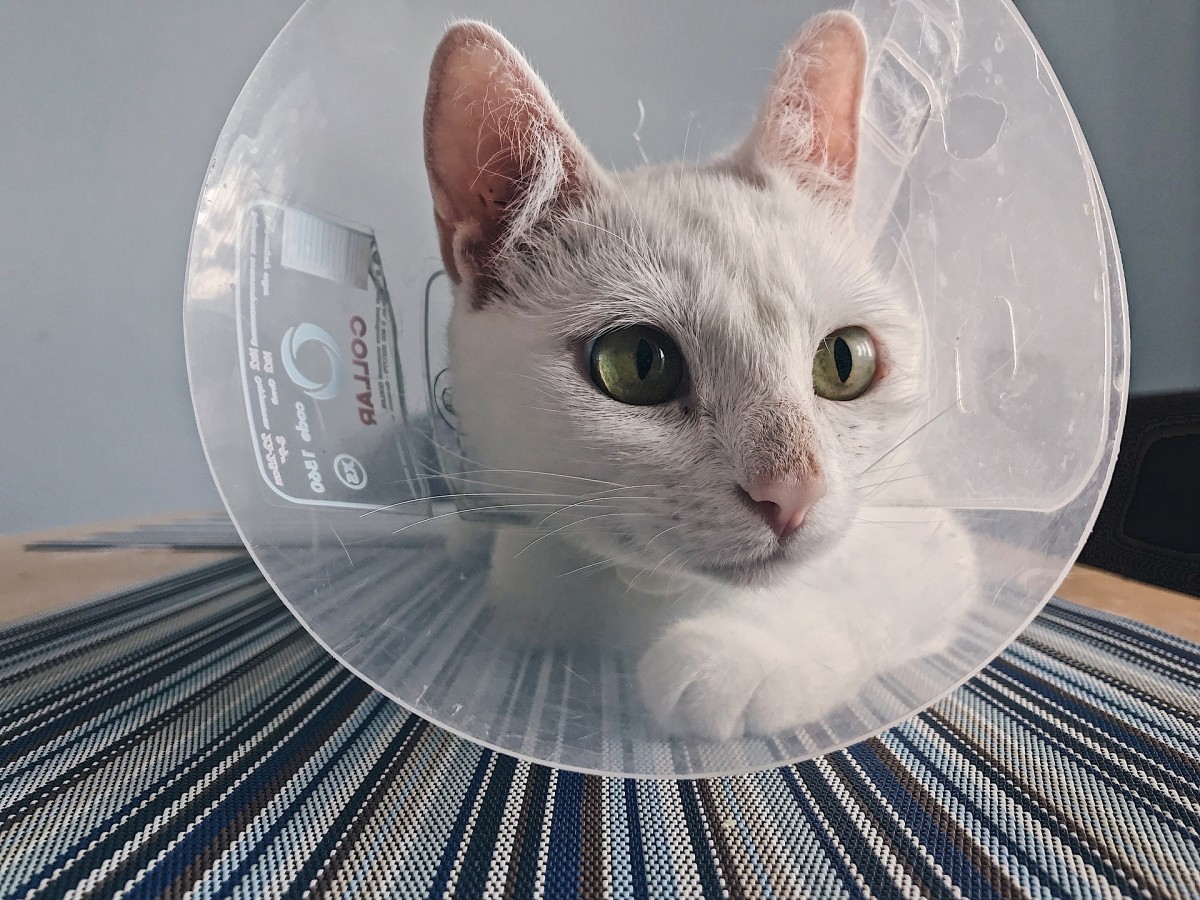
Complications after tooth extraction in cats are uncommon when procedures are performed properly. According to veterinary dental specialists, most cats recover quickly from tooth extractions without problems (1). When complications do happen, they typically result from retained tooth fragments, jawbone damage, or inadequate wound healing. Each cat tends to recover differently, depending on the severity of the disease and the animal’s general health.
This article will discuss potential post-surgery difficulties and aftercare tips to help your cat make a full recovery at home.
Common Reasons for Tooth Extraction
A 2025 study analyzing 47,400 teeth from 1,580 cats found that the three primary conditions requiring tooth extraction were:
- periodontitis (gum disease),
- feline chronic gingivostomatitis (FCGS), and
- tooth resorption (TR) (2).
Understanding why teeth are extracted helps contextualize potential complications and recovery expectations.
Potential Complication #1: Retained Tooth Fragments
When cat teeth are extracted, they sometimes splinter into small pieces. This is due to the delicate way feline teeth attach to the jaw. A veterinary case report from the University of Pennsylvania documented a cat with 22 retained tooth root remnants after incomplete extractions. This situation resulted in infected oral tissues and systemic inflammatory response (3). Therefore, all tooth fragments should be removed. It’s important to prevent infection and stop the body from mounting an immune response against the broken pieces.
Modern veterinary dental practice emphasizes the importance of post-extraction radiographs to confirm the complete removal of all tooth roots (4). According to veterinary dental specialists, after tooth removal, the extracted root should always be inspected. This is important to make sure that the apex is smooth and round. A rough or jagged edge suggests there are probable root remnants left behind in the socket (4).
Current Recommendations on Antibiotics
Current veterinary guidelines now suggest that systemic antibiotics are usually not needed for routine dental cleanings or tooth extractions (5, 6). The 2022 AAFP/AAHA Antimicrobial Stewardship Guidelines recommend reserving antibiotics for high-risk cats. In other words, those who are immunocompromised, have other systemic illnesses, or display severe oral infection (6).
A 2023 study reviewed over 818,000 dental procedures in pets and reported low antibiotic use (6). Dogs received antibiotics in only 16.4% of procedures. Cats received antibiotics in just 14% of procedures. Veterinary dental specialists note that careful surgical technique prevents most complications (7). This includes proper debridement of the extraction site. Additionally, it includes creating tension-free closures to support healing. These steps matter more than routine antibiotic use.
Potential Complication #2: Jaw Bone Damage
Damage to the cat’s jawbone is another potential complication after tooth removal, particularly with teeth affected by advanced tooth resorption. According to veterinary dental literature, teeth with advanced resorptive lesions become weak and brittle (8). They are often ankylosed, meaning they are fused to the surrounding bone. This fusion makes extraction difficult. It can also lead to iatrogenic trauma during the procedure. As a result, loss of alveolar bone may occur.
Please contact your veterinarian right away if your cat has any of the following symptoms:
- Signs of pain (reluctance to eat, pawing at mouth)
- Swelling or inflammation around the mouth
- Difficulty opening the mouth
- Excessive drooling
Jaw fractures, though rare, can happen during extraction of mandibular canine teeth. This is especially noteworthy if the cat has symphyseal laxity (looseness of the jaw joint) (4). Your veterinarian should evaluate mandibular symphysis stability before extracting any diseased mandibular canine teeth.
Usually, jaw bone damage is not severe. Moreover, veterinarians can manage this problem with pain medications, supportive care, or (in some cases) surgical repair. Please don’t hesitate to call your vet if your cat undergoes a tooth extraction and shows signs of jaw discomfort.

Potential Complication #3: Wound Dehiscence (Opening)
Wound dehiscence (when the surgical site opens after closure) is a recognized complication that typically results from lack of tension-free closure (4). Other causes include:
- poor flap design
- sutures not supported by bone
- occlusal interference from opposing teeth
- inappropriate postoperative care (for example, the cat chewing on hard objects or pawing at the mouth)
A 2025 study found that post-extraction maxillary lip entrapment was a fairly common issue in cats (9). It appeared most often after maxillary canine tooth extractions. The good news is that it was usually mild and self-limiting. Most cats improved well with simple, conservative care.
Signs of wound dehiscence or healing problems include:
- Visible opening at the extraction site
- Persistent bleeding beyond 24 hours
- Swelling, redness, or discharge
- Foul odor from the mouth
- Excessive drooling or inability to close the mouth properly

At-Home Care Following Surgery
Pet owners should certainly follow their given post-operative instructions carefully. This is to help their cats recover quickly with minimal difficulties. Here are some key care tips:
- Pain Management: Give all pain medications exactly as your vet has prescribed. Pet-safe NSAIDs are the main drugs used after oral surgery (7). Many veterinarians give a 24-hour injection at the end of the surgery. Following this, most cats take oral pain medication for 3–5 days at home. Local anesthetic blocks can also help and can last 6–24 hours (10).
- Antibiotic Use (If Prescribed): Antibiotics are usually for high-risk patients only. And if your veterinarian prescribes them, do complete the full course. Be aware that some antibiotics, especially clindamycin, can cause stomach upset or diarrhea by disrupting normal gut bacteria (5, 7).
- Activity Restriction: Keep your cat indoors during recovery. By limiting activity, they are more likely to stay comfortable and calm.
- Monitoring: Check the extraction site each day. Please be sure to contact your vet if you see swelling, redness, discharge, ongoing bleeding, or a foul odor.
- Diet Modification: Offer soft foods while your cat heals. Good options include canned food, semi-moist food, or kibble soaked in water. Minced, pâté, or mousse textures work very well. Most cats can eat later the same day or by the next morning (1, 10). Some cats need syringe-feeding, so if you’re unsure, ask your veterinarian for guidance.
- Follow-Up Appointments: Many veterinarians like to schedule a recheck 7–14 days after surgery (10). This visit helps confirm proper healing and catches any complications early.
Recovery Timeline
For single extractions, recovery typically takes about one week or less. For cats undergoing multiple tooth extractions and/or with other health conditions, recovery can take a couple of weeks (1). Gum tissue generally heals over the extraction site within 10-14 days. Dissolvable sutures, if used, will fall out on their own as healing progresses (10).
Ongoing Oral Care
Continuous dental maintenance is necessary for your cat’s health, especially after tooth extraction:
- During healing (first 10-14 days): Avoid brushing in the mouth’s delicate areas while healing progresses
- After complete healing: Resume regular oral hygiene, including tooth brushing twice weekly if your cat tolerates it
- Diet: Feed a premium, cat-specific diet appropriate for your cat’s health needs. Your veterinarian may recommend therapeutic dental diets formulated to help reduce plaque and tartar buildup (10)
- Dental products: Consider Veterinary Oral Health Council (VOHC)-approved products for plaque control (10)
- Regular check-ups: Schedule dental examinations every 6-12 months, or as recommended by your veterinarian, to monitor oral health and prevent future problems
When to Contact Your Veterinarian
Complications of tooth extraction in cats are rare, but jaw soreness or wound opening can happen, so monitor swelling and appetite. Seek immediate veterinary attention if your cat experiences:
- Excessive bleeding that doesn’t stop within a few hours
- Severe swelling or facial distortion
- Signs of infection (redness, pus, foul odor)
- Refusal to eat or drink for more than 24 hours
- Extreme lethargy or behavioral changes
- Difficulty breathing
- Signs of severe pain despite medication
Prevention of Future Dental Disease
Regular at-home dental care can help prevent the need for future extractions:
- Brush your cat’s teeth regularly with feline toothpaste (never use human toothpaste)
- Offer dental treats or toys designed for oral health
- Schedule regular professional dental cleanings as your veterinarian recommends
- Watch your cat’s mouth for early signs of dental disease
Final Thoughts
Complications after tooth extraction in cats are uncommon when the procedure is done with proper technique and follow-up care. Most cats recover quickly and feel much better once dental pain is relieved. By understanding possible complications, following your post-operative instructions, and watching your cat’s recovery, you can support steady healing and prevent future dental issues. If anything seems off during the process, reach out to your veterinarian for guidance.
Sources
- Hill’s Pet. Cat Tooth Extractions: What to Expect
- Kim, C.G., et al. (2025). The prevalence of reasons for tooth extraction in cats. Frontiers in Veterinary Science, 12, 1626701.
- Reiter, A.M. (2005). Local and systemic complications in a cat after poorly performed dental extractions. Journal of Veterinary Dentistry, 22(1), 24-28.
- Charlier, C. (2024). Tooth Extraction Complications in Dogs and Cats. Today’s Veterinary Practice.
- Mainely Veterinary Dentistry. Appropriate Antibiotic Use in Veterinary Dentistry
- Soltero-Rivera, M., et al. (2024). Antimicrobial use practices in canine and feline patients with co-morbidities undergoing dental procedures in primary care practices in the US. PLOS ONE, 19(7), e0305533.
- Greenfield, B. (2024). Should My Pet Be On Antibiotics After A Tooth Extraction? Your Pet Dentist.
- DVM360. Extractions in cats: indications, techniques and complications
- Marx, R., et al. (2025). Post-extraction maxillary lip entrapment in cats: a prospective study. Frontiers in Veterinary Science, 12, 1620100.
- PetMD. Cat Tooth Extraction Recovery Guide