We all want our cats to be healthy and content. But sometimes, they have ear problems, and it can be tricky to spot the cause. Is it just dirt or something more severe, like ear mites? I’ll help you figure out the difference between dirty cat ears vs ear mites, how to check for signs of trouble, and offer up some natural care solutions.
What Are Ear Mites and Why Are They Bad for Cats?
Ear mites are tiny bugs in cats’ and other animals’ ears (1). They feed on the wax and dirt in the ear, causing irritation, inflammation, and infection. Because they are contagious, ear mites can spread from one cat to another through direct contact or shared items like bedding, toys, or brushes.
Some Symptoms of Ear Mites in Cats
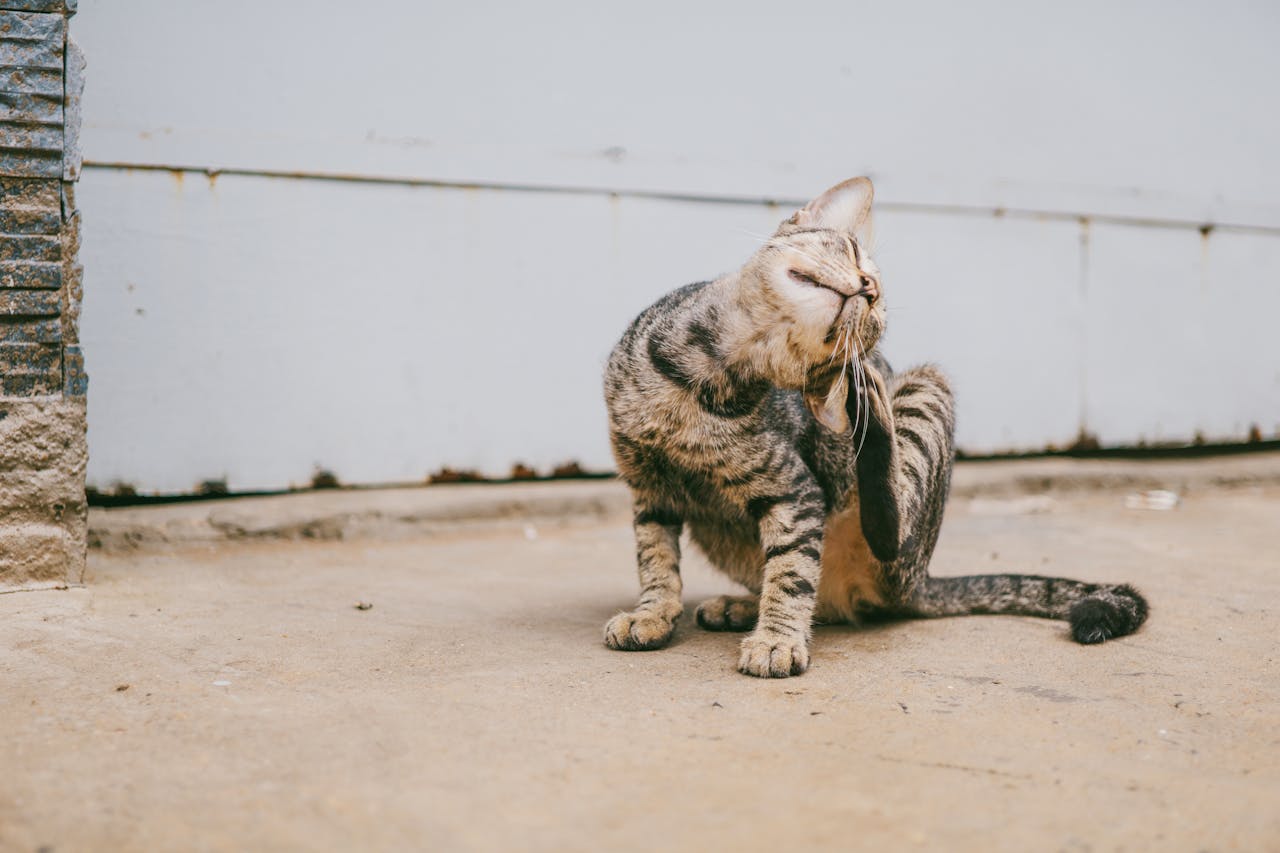
- Scratching or shaking their head a lot
- Dark brown or black gunk in the ear
- Crusty or scaly skin around the ear
- Ear redness or swelling
- A pungent odor from the ear
- Hearing loss or balance issues (2)
If your cat’s ears are hot and itchy, please contact a veterinarian without delay. When ear mites cause crusty material to form, it can be extremely painful for your pet.
Ignoring ear mites can result in serious complications such as ruptured eardrums, bacterial infections, and deafness (3). But by acting fast, you can prevent them from spreading to other cats.

Dirty Cat Ears vs Ear Mites
| Dirty Ears | Ear Mites |
|---|---|
| It can be prevented by regular grooming and cleaning of the ears with mild solutions | Caused by tiny parasites that feed on the wax and debris in the ear canal |
| May cause mild irritation, itching, or odor in the ears | May cause severe irritation, inflammation, infection, or odor in the ears |
| It can be prevented by avoiding contact with infected animals and treating all pets in the household | They can be prevented by avoiding contact with infected animals and treating all pets in the household |
| Can be treated by gently wiping the ears with cotton balls or gauze pads soaked in natural remedies | Can be treated by applying medication from the vet or natural remedies to the ears after cleaning them |
| Not contagious to other animals or humans | Highly contagious to other animals and rarely to humans (4) |

How to Check Your Cat’s Ears for Ear Mites
The simplest way to check your cat’s ears for ear mites is to gently lift their ear flap and look inside with a flashlight. You may need to hold your cat still or ask someone to help you if they are squirmy or nervous.
What to Look For?
You’re looking for a dark brown or black substance resembling coffee grounds in their ear canal. This substance is the earwax mixed with the mite poop and blood (5). You may also see some white specks, the mites, moving around.
How to Test for Dirty Cat Ears vs. Ear Mites
If you’re unsure if your cat has ear mites or just dirty ears, try this simple test:
- Take a cotton swab and gently wipe some of the gunk from your cat’s ear onto white paper
- Then, dampen the paper with a few drops of water and examine it with a magnifying glass
- If you see tiny white dots moving around, those are ear mites (6)
If you see or suspect ear mites, please take your cat to the vet to be examined. Your vet may prescribe medication to kill the mites and clear the infection in drops, ointments, or pill form.
What Kills Ear Mites in Cats Naturally?
Try the following home remedies to naturally cleanse your cat’s ears and help remove ear mites. I’ll discuss natural solutions like apple cider vinegar, coconut oil, and aloe vera that are known to kill mites and soothe inflammation.
It’s also a good idea to use these therapies on other cats and pets in your household, even if they don’t show symptoms, to help prevent them from getting infected or infecting others.
1. Apple Cider Vinegar
Apple cider vinegar is a natural healer and cleaner that can kill unwanted bacteria and reduce itchiness (7). To use this remedy:
- Mix one part ACV and one part water
- Pour this into a spray bottle, and gently spray your cat’s ears once or twice a day
- Be careful not to get this in your cat’s eyes
- Please avoid this remedy if your cat has cuts or sores in their ears, as the vinegar can sting
2. Petroleum Jelly
This natural antiseptic and antibiotic can soothe inflammation and itching. To use petroleum jelly:
- Clean any gunk from your kitty’s ears and apply a small amount of a product like Vaseline
- Massage it gently, and repeat once or twice daily to lessen itching and swelling
- Don’t use this remedy if your cat has cuts or sores on their ear canal
- Remember only to use petroleum jelly on the skin (8)
3. Aloe Vera
This natural moisturizer works wonders as a healer and can calm irritation and infection. To use this remedy:
- Use fresh aloe vera from a plant or buy cat-friendly aloe vera gel from a store
- Gently massage your cat’s ears with a small amount of gel
- Repeat a few times daily until the symptoms improve (9)
4. Coconut Oil
Did you know that coconut oil is naturally antifungal and antibacterial? This means it can help kill ear mites naturally and prevent infection (10).
- Apply a few drops of room-temperature, liquid coconut oil to your cat’s ears
- Massage it gently, and repeat a couple of times daily
5. Yellow Dock Root Extract
This natural anti-inflammatory and antiseptic is known for reducing swelling and infection. You can find yellow dock root extract at a health store or online.
- Dilute it with water according to the instructions on the bottle
- Apply a few drops to your cat’s ears and massage them gently
- Repeat once or twice a day until the symptoms get better (11)
How to Prevent Ear Problems in Cats
The most helpful way to prevent ear problems in cats is to keep their ears clean and check them regularly for signs of trouble, like debris, odor, redness, swelling, or scratching. Take your cat to the vet if you notice any signs of ear problems or if they seem uncomfortable or in pain.
For regular cleaning, I suggest you use Petpost Cat Ear Cleaner Drops because they are natural, alcohol & medicine-free, and great for blasting away wax, dirt, and debris. That means a happier cat and cleaner ears! Give this product a try if you’re looking for a natural and convenient way to manage your cat’s ear health.
Final Thoughts
Now you know how to spot the signs of dirty cat ears vs ear mites and what to do about the problem. Ear mites are not life-threatening but can cause much discomfort and distress. So, we must recognize the difference and know how to rectify both issues. Keeping their ears clean and using natural remedies are great ways to ensure your cat’s ear health. Please remember to talk to a vet if ear mites are suspected because prescribed medication will target an infection quickly and efficiently for your cat’s well-being.
Sources and Further Reading
- Ear Mites in Cats and Dogs – VCA Animal Hospitals
- Ear Mites – Merck Veterinary Manual
- Ear Mites in Cats – ASPCA
- Ear Mite Infestation in Cats – Cornell Feline Health Center
- How to Check Your Cat’s Ears – American Veterinary Medical Association
- Diagnosing Ear Mites in Cats – PetMD
- Apple Cider Vinegar for Pets – Veterinary Practice News
- Is Vaseline Safe for Cats? – Animal Path
- Aloe Vera for Pets – AVMA
- Coconut Oil for Pets – AVMA
- Herbal Remedies for Cats – HolistaPet