Wondering how often do cats pee? Most healthy cats urinate 2–4 times daily, but knowing your pet’s normal habits helps catch issues early. Many factors can affect a cat’s toilet practices—like diet, water intake, health conditions, and litter box preferences. I’ll help answer your questions about feline urination, including how to monitor your cat’s pee and when to seek veterinary help.
In This Article
- What Is Cat Pee, and Why Do Cats Pee?
- How Often Do Cats Pee?
- What Does Normal Cat Pee Look Like?
- How Much Do Cats Pee, and How to Measure It?
- Why Does Cat Urine Smell So Strong?
- Why Does My Cat Pee on My Bed?
- Changes in Your Cat’s Urination Habits: What to Do
What Is Cat Pee, and Why Do Cats Pee?
Cat pee, or urine, is the liquid waste the kidneys produce when they filter toxins and other waste products from the blood. Urine mainly comprises water, electrolytes, including sodium and potassium, and other waste products such as urea and uric acid. It travels through tubes from the kidneys to the bladder. Here, it’s stored until it exits the body through the urethra.
Cats pee because they need to eliminate or remove the urine that collects in their bladders. But why do they collect urine in their bladders? Well, it serves several vital functions for them:
- Balancing fluids and electrolytes
- Regulating blood pressure and pH
- Removing excess or harmful substances from the body
- Marking territory and communicating with other cats

How Often Do Cats Pee?
A healthy adult cat will typically urinate approximately two to four times daily (1). Remember that this is just an average; some normal, healthy cats urinate once daily, while others may urinate five or six times (2). Again, learning what’s normal for your pet can help you quickly monitor and pick up on any changes. The following four factors contribute to how often cats pee:
Contributing Factor #1: Age
Older cats may pee more often as a result of reduced bladder capacity or other common cat health issues. As cats age, they sometimes develop kidney disease, diabetes, or hyperthyroidism, affecting urine production and concentration.
Senior cats may also find accessing the litter box or holding their urine for long periods tricky. We can help by monitoring toilet habits as they age and consulting a vet if we notice any changes.
Contributing Factor #2: Gender
Male cats may urinate more frequently than females due to their narrower urethra, which can become obstructed more easily (3). Males are also more susceptible to blockages, which can be fatal if left untreated.
Urinary blockages can cause cats to strain, cry, or lick their genitals while trying to pee. These signs should alert you to take your pet to the vet immediately. To help prevent blockages, give your male cat plenty of water and a balanced diet.
Contributing Factor #3: Breed
Some breeds may have a higher risk of urinary problems affecting their peeing frequency. For example, Persian cats tend to develop bladder stones that cause painful or frequent urination.
Bladder stones are tough deposits of minerals that form in the bladder and can irritate or obstruct the urinary tract. If your cat experiences this problem, they might need surgical removal or medication. Avoid giving your cat foods high in minerals like calcium, magnesium, and phosphorus, as a preventative measure. Your vet can help you find the proper diet if you have concerns.
Contributing Factor #4: Stress
Cats may pee more or less often than usual when stressed. Anxiety can also trigger urinary issues like cystitis or urinary blockage in some animals. Both conditions are painful and require veterinary attention.
Cystitis is bladder inflammation that can cause your cat to pee small amounts of blood-tinged urine.
Urinary blockages happen when cats cannot pee due to physical or functional obstruction.
To help, offer your kitty:
- A clean, comfortable, and easily accessible litter box
- A stress-free and enriched environment
- Regular check-ups
- Preventive care
What Does Normal Cat Pee Look Like?
Normal urine from a healthy, hydrated cat is pale yellow to clear (4). It should not be cloudy or contain debris (bits floating). If you notice pink-tinged, red, or dark brown urine, ask your veterinarian for advice; there could be blood in it.
Using white or pale-colored litter in your cat’s litter box might help you monitor the urine color. You could also use a urine test kit at home to check for other parameters such as pH, specific gravity, glucose, protein, and blood.
How Much Do Cats Pee?
The amount of urine cats normally make can vary, mainly due to the food and water they consume, their health condition, and how they feel about their litter box. Observing what’s typical for your cat is a good idea. That way, you can spot any changes as soon as they occur. Here are some tips:
Dietary Considerations
Getting your cat to eat wet food can keep them hydrated and dilute urine—a great way to help prevent or reduce urinary problems. On the other hand, dry food can dehydrate and concentrate urine, which can cause bladder stones or crystals. Consider switching to canned food if your cat has urinary issues, and talk to your vet about the most suitable diet.
Managing Water Intake
The more water a cat drinks, the more it will pee. Weather, activity level, health, and personal preferences can affect how much water a cat consumes. Felines need plenty of fresh water to maintain their body functions and remove waste substances. You could try different ways to encourage them to drink more, such as using a kitty fountain, adding ice cubes, or changing the bowl.
Contributing Health Conditions
Some medical problems can change how much or how often cats pee, such as:
- Diabetes
- Kidney disease
- Hyperthyroidism
- Urinary tract infections
- Bladder stones
- Urinary blockages
These conditions can affect urine color, smell, or concentration and may feel painful. They can also produce blood or cause straining.
Litter Box Preferences
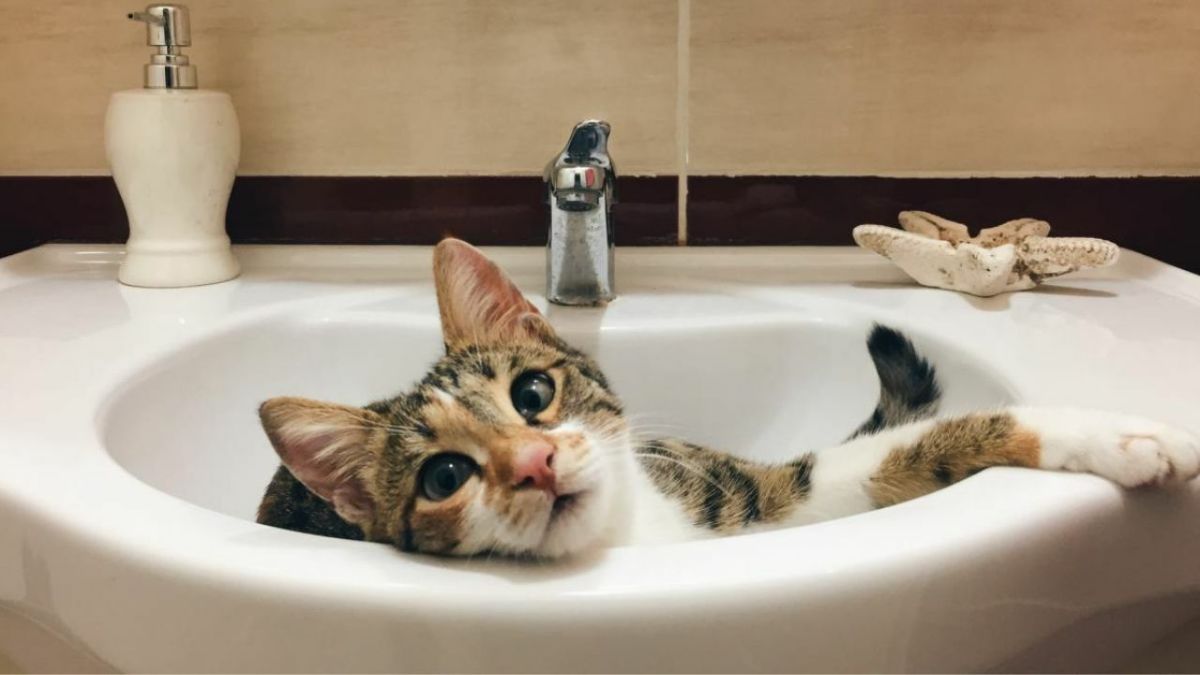
How clean, comfortable, and accessible their toilet is can affect how much or how often some cats pee. If they hate their litter box, they may use it less frequently (or avoid it altogether). This behavior can lead to urinary problems like cystitis or blockage, and other issues like peeing outside the litter box or marking territory (I know some cats who pee in the sink).
To encourage your cat to feel happier with their litter box:
- Use a litter they love
- Keep it clean and odor-free
- Place it in quiet and convenient locations
- Supply enough boxes (usually one more than the number of cats in the household)
How to Measure Your Cat’s Pee
Most adult cats will produce 18-28 milliliters (ml) of urine daily per kilogram of body weight (5). Normal 24-hour urine volume for kittens ranges between 5-60 ml per kilogram of body weight (6). So, how can you determine the amount without taking a measurement?
- If you use clumping litter, it is easy to monitor the size and number of your cat’s urination daily
- If you use an absorbent (non-clumping) litter, it can be a little trickier to monitor, but you will still get used to the number and size of the pee areas in the litter tray each day
An increase in the amount your cat urinates is called polyuria. A decrease in urine production is called oliguria. Either one of these could be a cause for concern.

Why Does Cat Urine Smell So Strong?
Cat pee smells stronger than human urine because it’s more concentrated—since cats evolved as desert animals and needed to conserve water (7). As it breaks down, it releases mercaptans—sulfur compounds that smell skunky. Also, males have a sulfur-containing amino acid called felinine that makes the strong smell more potent. All in all, strong-smelling cat pee is perfectly normal.
Why Does My Cat Pee on My Bed?
Cats peeing on beds is a common problem among pet parents, but it isn’t always normal behavior. It often happens as a result of stress, territory marking, or medical issues like UTIs. It’s important to rule out medical causes first by talking to your vet.

Changes in Your Cat’s Urination Habits: What to Do
If your cat urinates more or less often than usual, it may indicate a health or behavioral problem. Speak with your vet if you notice any changes in their urination patterns, especially additional symptoms like:
- Crying or straining in the litter box
- Straining or crying while peeing
- Peeing in places other than the litter box
- Blood in the urine
- Increased thirst or appetite
- Weight loss or gain
- Lethargy or weakness
- Vomiting or diarrhea
EMERGENCY: If your cat hasn’t urinated in 24 hours, this is a medical emergency (8). Male cats are particularly susceptible to urinary blockages, which can become life-threatening within 24-48 hours if left untreated. Seek immediate veterinary care.
Final Thoughts
Now you know how often cats pee and why monitoring your pet’s bathroom habits is essential. This way, you can catch any potential problems early and seek veterinary help if you have questions or concerns. Following these suggestions can help your cat maintain a calm, healthy, and happy state while enhancing their general well-being.
Sources and Further Reading
- How Often Do Cats Pee? Vet-Verified Facts & When to Worry – Catster
- How Often Do Cats Pee? Understanding What is Normal (Vet Answer) – Hepper
- How Often Do Cats Pee? Understanding Feline Urination Patterns – UAH Pet
- Cat Pee 101: Is My Cat’s Urine Normal? – Pet Health Network
- Practical urinalysis in the cat: 1 Collection and macroscopic examination – Journal of Feline Medicine and Surgery
- The ins and outs of polyuria and polydipsia – DVM360
- How Often Should a Cat Urinate? – Under the Weather Pet
- How Long Can Cats Hold Their Pee Safely? – Pets Care