How to Choose the Best Dog for an Autistic Child
It’s well known that family pets, especially dogs, can benefit our children’s well-being. Research shows canines can lower stress, anxiety, and depression, ease loneliness, promote play and exercise, and even improve cardiovascular health.
But did you also know that having the right dog can help children on the autism spectrum develop communication skills, social connections, and become more self-assured adults? Selecting the best dog for an autistic child requires careful consideration of breed temperament, trainability, and your child’s specific needs.
To choose the best dog for an autistic child, we will explore the following topics:
- What autism spectrum disorder involves, and how dogs can help address specific challenges
- How dogs, in general, can help autistic children develop positive emotions and gain self-esteem
- Why a Golden Retriever is the perfect choice as your child’s companion or therapy dog: loving, affectionate, calm, and trainable to be attentive to your young one’s needs

Source: Photo by Helena Lopes
Understanding Autism Spectrum Disorder in Children
Autism spectrum disorder (ASD) is a neurodevelopmental condition typically present from early childhood. Children with autism may experience challenges with social communication, forming relationships, and processing sensory information.
Understanding how autism affects your child is essential to providing the right support and choosing a companion that meets their unique needs.
Common Challenges in Children With Autism
Social and Communication Challenges:
- Difficulty with social interaction
- Challenges in making and maintaining eye contact
- Difficulty forming relationships with peers
- Speech delays or being minimally verbal
- Challenges in understanding social cues
- Preference for routine and predictability
Sensory Processing:
- Sensitivity to loud noises
- Sensitivity to touch or textures
- Visual sensitivities
- Seeking or avoiding certain sensory experiences
Behavioral Patterns:
- Repetitive behaviors
- Anxiety in new situations
- Difficulty with transitions
- Self-stimulating behaviors
- Intense focus on specific interests
When to Consider a Dog for Your Autistic Child
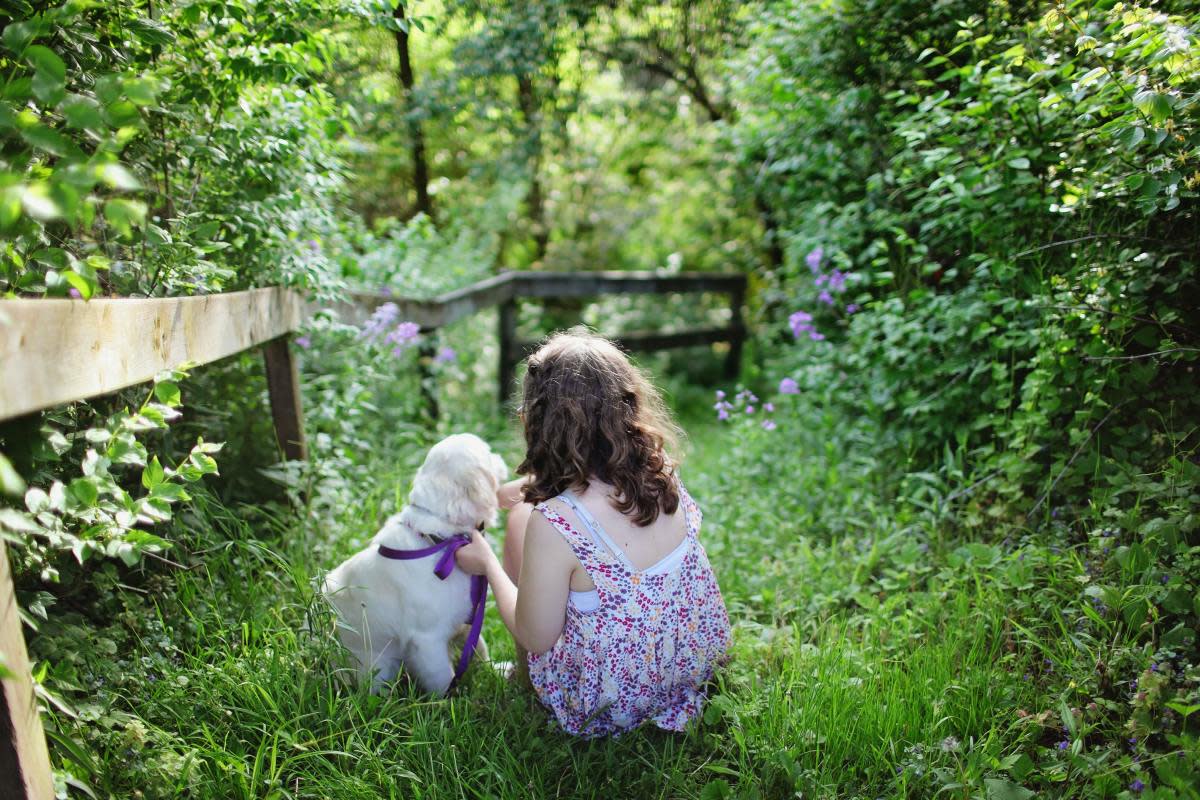
Living with an autistic child comes with unique joys and challenges. Finding ways to support their development and emotional well-being is a top priority for parents, and getting a family pet is one of the best-known ways to help children on the autism spectrum thrive.

Source: Photo by Helena Lopes
The Benefits of Dogs for Autistic Children
Studies show that dogs can make autistic children feel less anxious and more at ease. Petting them can reduce the stress-related cortisol hormone, while interacting with a dog can increase oxytocin levels.
Oxytocin has numerous roles, promoting social bonding, relaxation, trust, and reducing stress. Scientists theorize that this hormone is the primary cause of people’s favorable reactions to pets.
Scientific Benefits of Dogs for Autistic Children:
- Improved social interaction and communication skills
- Reduced anxiety and stress levels
- Better sleep behaviors and reduced sleep anxiety
- Decreased problematic behaviors
- Enhanced emotional regulation
- Increased verbal communication
- Development of empathy and caring behaviors
- Improved family functioning
- Reduced parental stress
- Enhanced sense of security and comfort
Oxytocin, the hormone that makes us feel relaxed, happy, and bonded, may explain why we love our pets so much.
How a Golden Retriever Can Help Your Autistic Child
Most of us would agree that Goldens are friendly and loyal, but did you know they can sense and respond to emotional states? These unique qualities make these dogs an excellent breed for autistic children who need comfort and support.
Let’s look further at how they feel, express, and sense emotions, react accordingly, and help kids with autism thrive.
1. They Are Calm and Trainable
Typically calm and obedient, the breed is easy to train and incredibly eager to please its master. Due to their high intelligence, Goldens are quick learners, which makes them ideal dogs to comfort autistic children. They can also follow commands and cues to provide the child security, companionship, and assistance with daily routines.
2. They Have Emotional Intelligence and Empathy
Some experts compare these dogs’ cognitive and emotional capacities to a child’s because they can experience and express happiness, sadness, fear, and contentment.
Goldens can also sense their owners’ emotions and react accordingly. They may do this by observing their facial expressions, body language, tone of voice, or even detecting the chemicals associated with different emotional states.
For example, they:
- Wag their tails, smile, or show excitement when happy
- Drop their ears, look down, or avoid eye contact when sensing sadness
- Tuck their tails, cower, or alert when sensing distress
- Lick or play with their owners when feeling happy
- Cuddle their owners or bring them a toy to provide comfort
- Show gentle submission when sensing tension
3. They Are Loyal Companions
This breed is well known for making excellent companions and family dogs. Their patience with kids and eagerness to participate in various activities with any family member contribute to their ability to bond with their owner.
Golden Retrievers are highly aware of their responsibilities but enjoy being part of the family. They are excellent working dogs and a loyal friend who can help autistic children feel secure and understood.
4. They Have a Balanced Energy Level
Although active, the Golden Retriever is not an overly energetic dog. Goldens are effective therapy dogs for autistic children because they are not naturally aggressive, dominant, or submissive.
They are also trustworthy and dependable; it’s possible to successfully train them to focus on supporting a child’s needs without being distracted by sudden noises or unexpected activity.
5. They Are Fun and Playful
Golden retrievers are playful animals. Your child will benefit from participating in healthy activities like leisurely walks or playing fetch together. But most importantly, they can help your autistic child feel more comfortable in social situations while enriching their life with joy and genuine love.
6. Gentle and Patient Are Their Middle Names
One of the best qualities of these loving dogs is their gentle and patient temperament, which makes them ideal for autistic children who may be nervous around dogs or have sensory sensitivities. They aren’t easily provoked or startled and can tolerate unexpected behaviors.
Another endearing quality is that they have a lot of patience with children who may need time to warm up to them or may have special needs. You may notice they will never rush or pressure kids, but instead wait for them to initiate contact.
7. They Can Adapt and Socialize With Ease
An important factor that can help an autistic child in challenging or unfamiliar situations is the adaptability and friendliness of this fantastic breed. They make kids feel comfortable and secure, acting as social catalysts who can help bridge communication gaps. And the best part? They’re always content, no matter where or with whom they live.
What’s more, they can also help children who are hesitant in new environments or around unfamiliar people. With their outgoing and friendly nature, they can help kids overcome anxiety and learn to be more social and confident. It’s incredible how much a child can learn from their pet’s calm demeanor!
8. Protective and Alert Without Being Aggressive
Of all the dog breeds, Golden Retrievers make exceptional companions for autistic children. They’re naturally attentive and vigilant without being aggressive or territorial.
These loyal pups have a remarkable ability to sense when their child needs support, and they won’t hesitate to provide comfort or alert their owners to distress. Plus, their large and robust appearance can provide a sense of security.
But don’t let their size fool you! Goldens are gentle giants who remain calm and composed. This predictable nature can help autistic children feel secure and comfortable around them.
Training a Therapy Dog for Your Autistic Child
Before training a therapy dog for your autistic child, you must first ensure the animal is healthy, well-behaved, and friendly. Here are some solid steps to get you started:
- Keep your pet healthy, vaccinated, and free of parasites. Provide proof of health records and regular vet visits.
- Socialize your dog with different people, places, and situations from an early age. Reward them for being calm and confident in new environments.
- Teach basic commands like sit, stay, come, and leash walking without pulling, jumping, or barking. Doing this will help them follow your instructions and be polite to others.
- Encourage them to be gentle and friendly with everyone, disallowing them to bite or mouth people or objects. Let them interact with strangers and other animals in controlled settings.
- Help them remain calm in potentially overwhelming situations and cope with distractions, loud noises, and sudden movements. For example, teach them to remain composed during unexpected events. By encouraging relaxation, they will be more inclined to comfort and support your autistic child.
- Consider specialized autism assistance dog training. Work with qualified trainers who understand the specific needs of autistic children and can teach your dog tasks like deep pressure therapy, interrupting repetitive behaviors, or preventing wandering.
- Consider getting the Canine Good Citizen certificate for your dog. This program, created by the American Kennel Club, teaches ten essential skills for good manners and citizenship.
- Monitor your dog’s well-being and enjoy the rewarding experience of helping your autistic child develop and thrive.
Final Thoughts
Golden Retrievers are adorable companions and empathetic friends who can respond to emotional needs. These traits make them an excellent choice as the best dog for an autistic child who needs comfort, support, and assistance in developing social and communication skills.
If you want to help your autistic child with the help of this breed, perhaps consider training your pet as a therapy or assistance dog. This decision can improve the bond between your child and their dog while also supporting development in their communication, social interaction, and emotional regulation. When seeking the best dog for an autistic child, conditioning the dog yourself is one option, although it may be more effective with a qualified trainer’s help who specializes in autism assistance dogs.