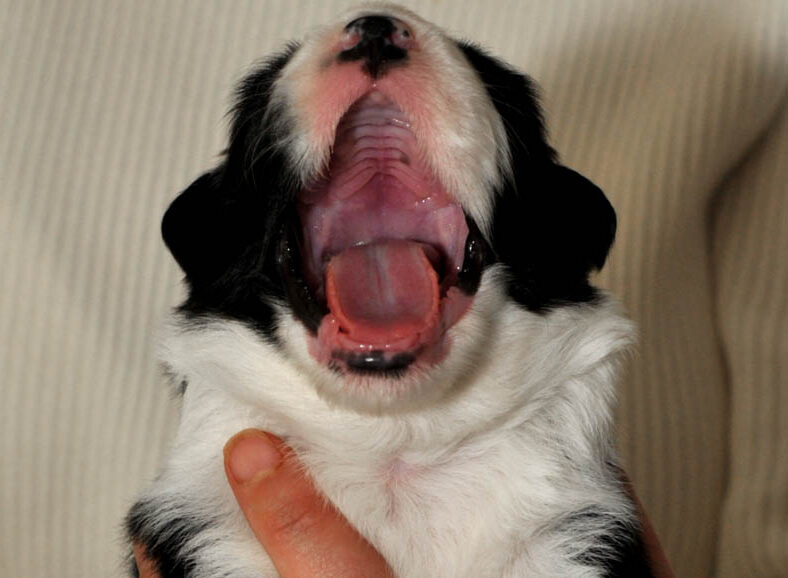
Are you concerned because your dog’s breath smells somewhat like fish? Although a slightly unpleasant smell is normal for dogs, a distinctly fishy odor usually means that something needs your attention. It might be a simple dietary adjustment, a dental issue, or a medical condition that needs some care.
In this guide, we’ll walk you through the five most common reasons behind that fishy smell and share practical ways to help your pup feel better and smell fresher.
1. Dietary Factors and Fish-Based Ingredients
Sometimes, the answer to dog breath smells like fish is simpler than you might think. It could just be what your pup is eating. Many quality dog foods today contain fish or fish-derived ingredients because they’re excellent sources of protein and omega-3 fatty acids (1).
Omega-3s have become increasingly popular in pet nutrition due to their anti-inflammatory properties and benefits for skin, coat, and joint health. Even if the main protein in your dog’s food is chicken or beef, manufacturers often add fish oil to boost the nutritional profile. As a result, these fish-based additives can leave a lingering fishy scent on your dog’s breath.
What You Can Do
Take a moment to check your dog’s food label, including treats and supplements. Look for ingredients like fish meal, salmon oil, or omega-3 fatty acids. If you find these and the fishy smell bothers you, you might consider gradually transitioning to a formula without fish ingredients.
When switching foods, patience is key! You ideally want to introduce the new food slowly over 7-10 days by mixing increasing amounts with the old food. Doing this helps prevent tummy troubles and gives your dog time to adjust to new flavors. Keep an eye on your dog’s energy, appetite, and weight during the transition.
If you’re not sure which diet would work best for your companion, your veterinarian can recommend some options. They will consider your dog’s age, size, and health needs when doing so.
2. Questionable Eating Habits
Dogs are naturally curious creatures with a tendency to explore the world with their mouths. Your pup may have gotten into something you’d rather not think about. For example, garbage scraps, decomposing food, or even feces. And these items can harbor bacteria or give off odors that temporarily make their breath smell fishy.
While this scavenging behavior isn’t necessarily dangerous, it’s worth investigating what your dog ate. You want to make sure they haven’t swallowed anything harmful.
How to Address It
The good news? This type of fishy breath usually resolves on its own within a day. You can speed things up by offering fresh water and brushing your dog’s teeth.
To prevent future incidents, keep garbage cans secure, supervise outdoor time, and consider training techniques to discourage scavenging. If your dog regularly seeks out inappropriate foods, chatting with your vet or a professional trainer can help address this behavior.
3. Dental Disease and Oral Health Issues
Dental disease is one of the most frequent causes of bad breath in dogs. In fact, studies show that periodontal disease affects between 44% and 100% of dogs when examined under anesthesia, with prevalence increasing significantly with age (2). This condition develops when plaque (a sticky mixture of saliva, bacteria, and food particles) builds up on teeth and hardens into tartar.
Over time, this buildup irritates the gums, causing inflammation (gingivitis) and eventually leading to more serious problems. For example, cavities, abscesses, tooth loss, and even bone loss. Some bacteria in periodontal disease produce sulfur compounds as they multiply, which can create that unpleasant fishy smell (3).
Foreign objects stuck in your dog’s mouth, including food particles or stick fragments, can also trap bacteria and produce foul odors.

Treatment and Prevention
If you suspect dental disease is behind your dog’s fishy breath, it’s best to schedule a veterinary appointment before trying home remedies. Your vet will perform a thorough oral examination and may recommend professional dental cleaning under anesthesia. This procedure allows for complete scaling below the gum line and dental X-rays to check bone health (4).
Depending on what they find, your dog might need extractions, antibiotics, or pain medication. After professional care, establishing a good home dental routine becomes necessary to keep problems from coming back.
Daily tooth brushing with canine toothpaste is the gold standard for preventing dental disease (5). Please don’t ever use human toothpaste because it has ingredients like xylitol that are toxic to dogs. Start slowly if your dog isn’t used to brushing. And use plenty of praise and treats to make it a positive experience!

Dental chews and treats approved by the Veterinary Oral Health Council (VOHC) can supplement brushing by mechanically removing plaque as your dog chews. Options like Greenies and similar products are designed to scrape teeth and reduce tartar buildup.
4. Anal Gland Issues
This might surprise you, but anal gland problems are actually one of the most common reasons dog breath smells like fish. Dogs have two small sacs located on either side of their anus that produce a fishy-smelling secretion used for scent marking (6).
Normally, these glands empty naturally during bowel movements. However, when they become impacted, infected, or overly full, the dog may lick the area excessively to relieve discomfort. Consequently, they transfer that distinctive fishy odor to their mouth. In this case, you might also notice your dog scooting across the floor or constantly licking their rear end.
Getting Help
If you suspect anal gland issues, a veterinary visit is necessary. Your vet can manually express the glands to relieve pressure and check for signs of infection. They may also prescribe antibiotics or anti-inflammatory medications if needed.
For dogs with recurring anal gland problems, there are ways to help prevent future issues. Adding fiber to the diet (either through high-fiber foods or supplements your vet recommends) can help. Then, the glands express naturally during bathroom breaks by forming firmer stools. Some dogs may benefit from regular manual expression every 4-8 weeks. Your vet or a professional groomer can handle this.
5. Trimethylaminuria (Fish Odor Syndrome)
Although rare in dogs, trimethylaminuria is a metabolic condition. What happens is that the body can’t properly break down trimethylamine (TMA), a compound that smells distinctly fishy. This occurs when a specific enzyme in the liver doesn’t properly convert TMA into its odorless form (7).
In affected dogs, TMA builds up and is released through breath, urine, sweat, and saliva. It creates that persistent fishy smell. If your dog’s breath smells fishy and you’ve also noticed their urine has a strong, unpleasant odor, this condition might be the culprit. Your vet can properly diagnose and treat it.
Treatment Options
Treatment for trimethylaminuria varies depending on whether it’s inherited or developed due to liver issues. Your veterinarian may recommend a low-protein diet if the condition is triggered by certain foods. That is because proteins contain compounds that convert to TMA in the digestive system.
In some cases, dietary supplements or medications that support liver function may help. This condition can be challenging to manage. But most cases are mild and respond well to dietary adjustments under veterinary guidance.

Improving Your Dog’s Breath at Home
Beyond addressing the specific causes above, you can take several steps to keep your dog’s breath fresher daily.
Regular Brushing
Consistent dental care makes a tremendous difference. Use a soft-bristled toothbrush sized appropriately for your dog, along with enzymatic canine toothpaste. Aim to brush daily, though even a few times per week provides significant benefits. The mechanical action of brushing removes debris and bacteria that contribute to odor.
Dental Products and Treats
Supplement brushing with dental chews that have the VOHC seal of approval, indicating they meet standards for reducing plaque and tartar. Dental water additives designed for dogs can also help freshen breath between brushings. Just please make sure any product you use is safe for your specific pets if you have multiple animals at home.
Natural Breath Fresheners
Some pet parents find success with natural options, though these should complement (not replace) proper dental care:
- Fresh mint leaves can be steeped in hot water to make a cooling tea for your dog. Mint has natural antiseptic properties that often help reduce bacteria causing bad breath. Offer only occasionally and in small amounts to avoid tummy upset.
- Curly parsley (not flat-leaf varieties, which can be toxic) contains chlorophyll that sometimes help neutralize odors. Adding a teaspoon or two of finely chopped curly parsley to your dog’s meal is generally safe for most dogs.
- Crunchy vegetables like carrots and apple slices (remove core and seeds) can help mechanically clean teeth and stimulate saliva production. They naturally combat bacteria and make healthy, breath-freshening treats.
When to See Your Veterinarian
Occasional mild bad breath might not be too concerning. But certain situations demand professional attention. Please schedule a veterinary appointment if:
- Your dog’s breath suddenly becomes extremely foul
- The fishy smell persists despite good home dental care
- You notice other symptoms like decreased appetite, difficulty eating, excessive drooling, or pawing at the mouth
- Your dog shows signs of discomfort or changes in behavior
- The fishy odor is accompanied by vomiting, diarrhea, increased thirst, or lethargy
These signs could point to more serious underlying conditions, which would affect your pet’s overall health. As such, the vet may carry out blood tests, urinalysis, or imaging to get to the root of the problem. They will make sure your companion receives appropriate treatment.
Finding the Right Solution for Your Dog
Understanding why your dog’s breath smells like fish is the first step toward fresher breath and better health. Whether the issue stems from diet, dental disease, anal gland problems, or a medical condition, solutions are available to help.
Remember that your dog’s breath can tell you quite a bit about their overall health. Staying attentive to changes in odor and maintaining regular veterinary checkups will help catch potential problems early. With consistent care and the right approach, you can keep your pup’s breath pleasant and their tail wagging.
If you’re ever uncertain about what’s causing your dog’s fishy breath or notice concerning symptoms, don’t hesitate to reach out to your veterinarian. They’re your best partner in keeping your companion happy, healthy (and smelling their best).
References
- Logan, E. I. (2006). Dietary influences on periodontal health in dogs and cats. Veterinary Clinics of North America: Small Animal Practice, 36(6), 1385-1401. https://doi.org/10.1016/j.cvsm.2006.09.002
- Wallis, C., & Holcombe, L. J. (2020). A review of the frequency and impact of periodontal disease in dogs. Journal of Small Animal Practice, 61(9), 529-540. https://doi.org/10.1111/jsap.13218
- Davis, I. J., Wallis, C., Deusch, O., Colyer, A., Milella, L., Loman, N., & Harris, S. (2013). A cross-sectional survey of bacterial species in plaque from client owned dogs with healthy gingiva, gingivitis or mild periodontitis. PLOS ONE, 8(12), e83158. https://doi.org/10.1371/journal.pone.0083158
- Niemiec, B. A. (2008). Periodontal therapy. Topics in Companion Animal Medicine, 23(2), 81-90. https://doi.org/10.1053/j.tcam.2008.02.002
- Gorrel, C., & Rawlings, J. M. (1996). The role of tooth-brushing and diet in the maintenance of periodontal health in dogs. Journal of Veterinary Dentistry, 13(4), 139-143.
- Scott, D. W., Miller, W. H., & Griffin, C. E. (2001). Muller and Kirk’s small animal dermatology (6th ed.). W.B. Saunders.
- Phillips, I. R., & Shephard, E. A. (2020). Drug metabolism by flavin-containing monooxygenases of human and mouse. Expert Opinion on Drug Metabolism & Toxicology, 16(9), 849-864. https://doi.org/10.1080/17425255.2020.1791700