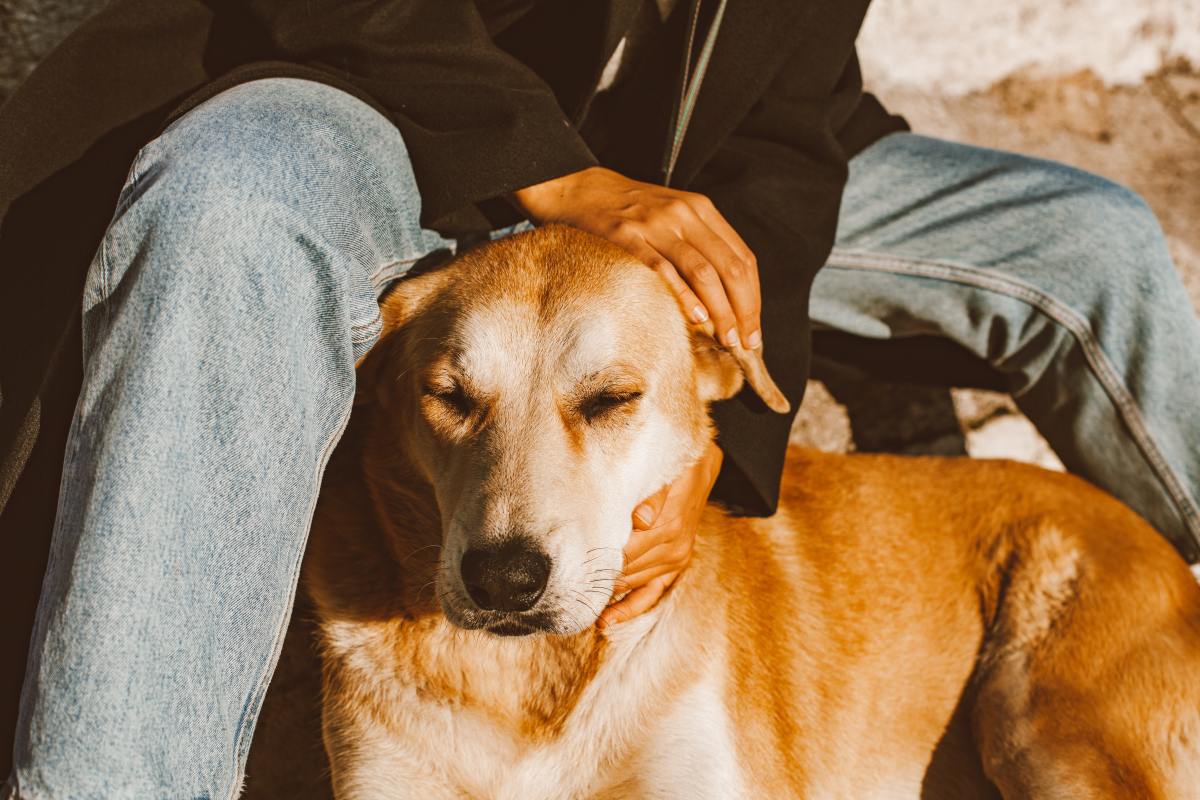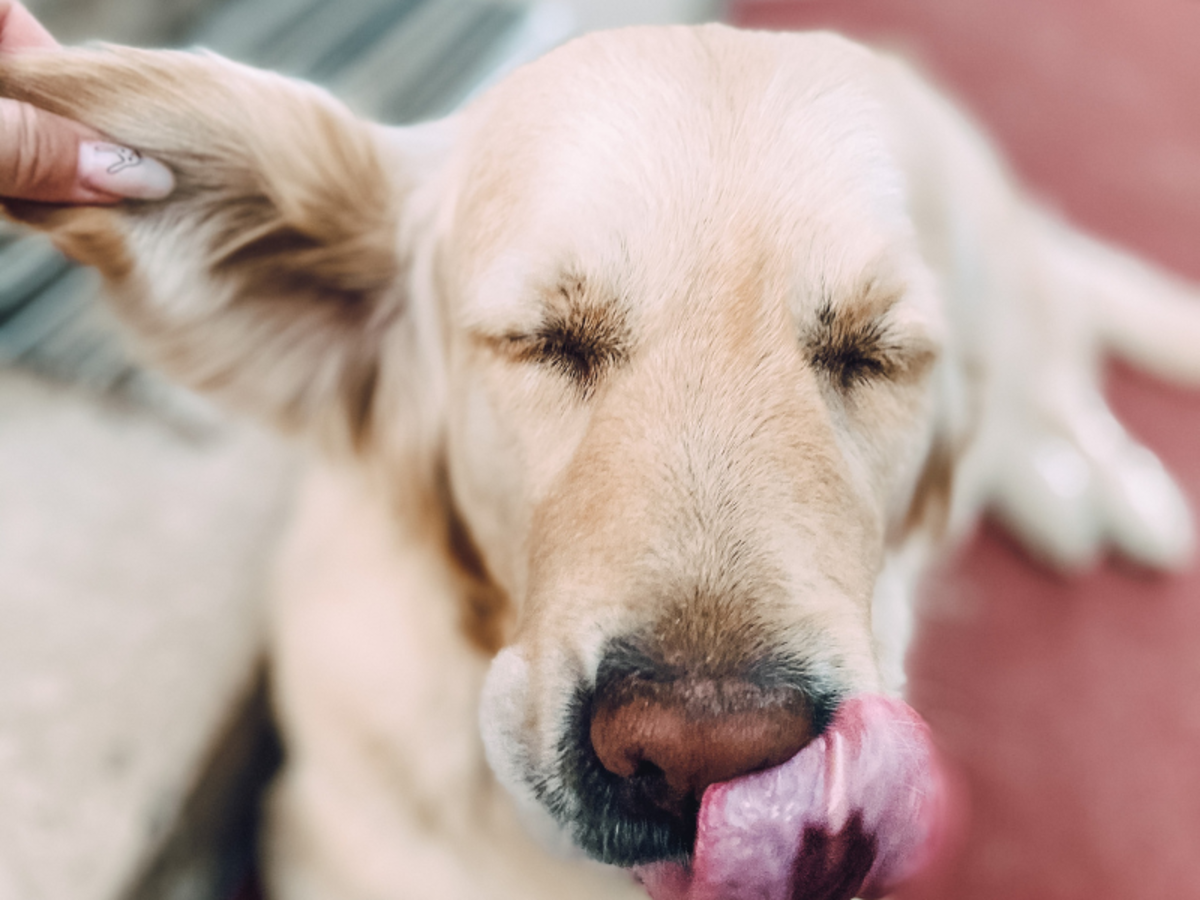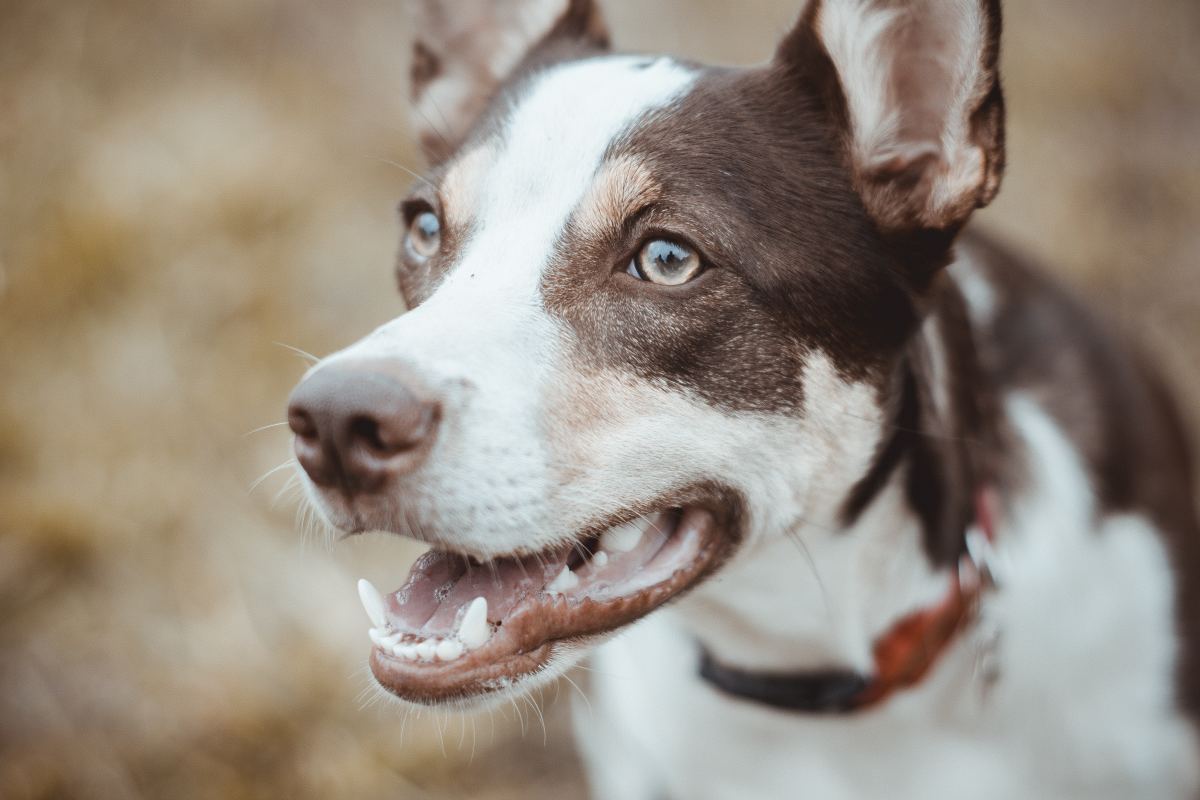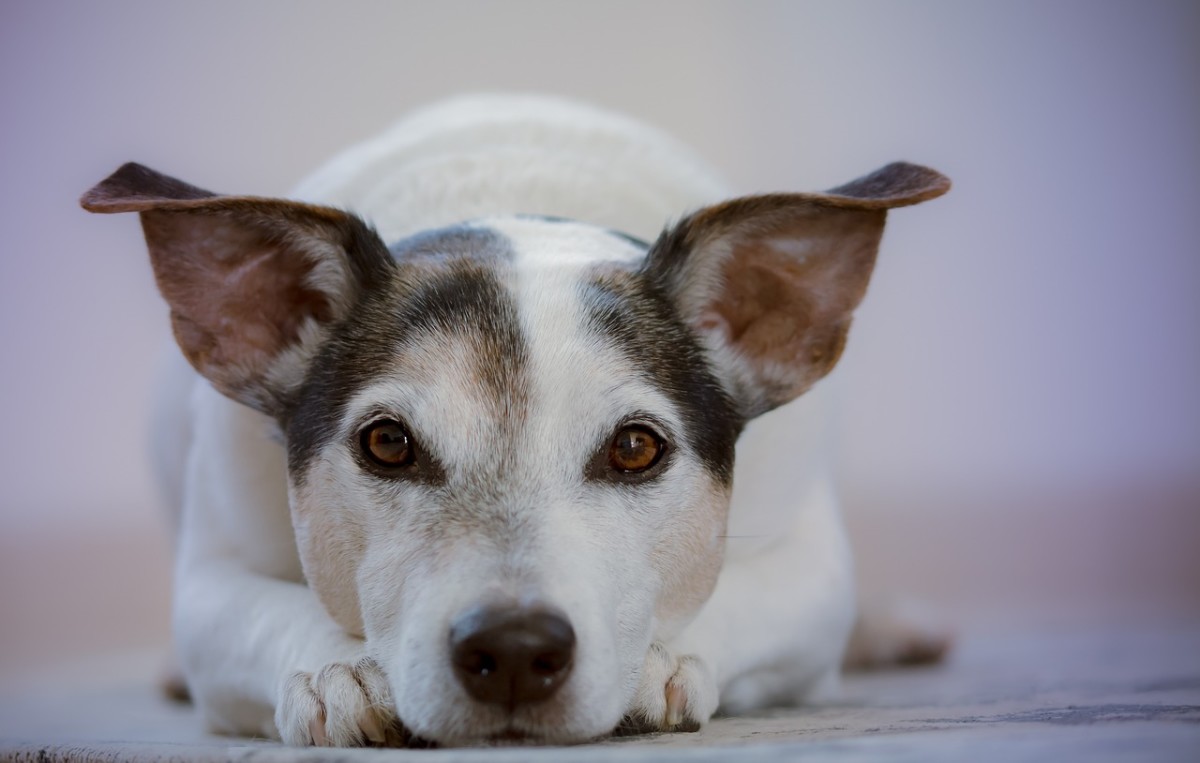
Our dogs’ ear movements can tell us a lot about their emotions, behavior, and how they’re feeling. Dog ear twitching usually happens when something in the air is bothering them, as a subconscious reflex, or because of root health issues. Realizing why it’s happening and knowing what to look for can help address the issue quickly. Let’s look at seven reasons why your dog’s ear could be twitching and how to help your pet be healthy and comfortable.
7 Reasons for Dog Ear Twitching
1. Irritation
Mild irritation is a common reason for dog ear twitching. Maybe something got stuck in the ear canal, like a piece of grass or tiny debris. Dogs naturally respond by flicking their ears or shaking their heads; it’s their way of trying to dislodge whatever’s bothering them.
Sometimes, a dog’s ears twitch if a slight breeze catches them. If you’ve ever gently blown on your dog’s ear, you know it’ll probably wiggle automatically in response. This is just a normal reflex to touch.
2. Ear Mites
Tiny parasites known as ear mites love living in the canine ear canal. These little creatures feed on wax and skin debris, and their presence can cause serious irritation and discomfort.
Ear mites are more common in cats and puppies, but they can also affect adult dogs, especially if they come into contact with infected animals (1). They often cause a thick, dark brown discharge that looks like coffee grounds and typically need veterinary treatment with prescription medications.
3. Early Signs of Ear Infection (Otitis Externa)
When dog ear twitching turns into whining, scratching, head shaking, and pawing at the ears, these symptoms usually point to otitis externa. This is the official term for inflammation of the external ear canal. According to veterinary research, otitis externa is one of the most common reasons dogs are brought to the vet (2, 3).
Ear infections are painful. Research shows that infection affects about 20% of dogs, with certain breeds at higher risk, including Cocker Spaniels (especially those with large, floppy, or hairy ears), Labrador Retrievers, and Golden Retrievers (3, 4). The ears often become red and inflamed and develop an unpleasant odor. You’ll commonly see black or yellowish discharge (2).
Important note about underlying causes: Allergies play a role in ear infections in as many as 43% of cases, and ear infections occur in 65-80% of dogs with underlying food allergies (2). This means chronic or recurrent ear infections often signal an underlying condition that needs to be addressed to stop the cycle.
Your vet can help by:
- Looking at ear debris under a microscope to identify the infectious organism (bacteria, yeast, or mites)
- Prescribing appropriate medication based on what they find
- Investigating underlying causes (e.g., allergies or hormonal issues)
- Suggesting ways to prevent future infections
4. Communication and Focus
Ear expressions in dogs can be quite communicative. When their ears flick around in different positions, it’s often focus-driven or a form of body language:
- Confusion or seeking clarification: They might tilt their head and ears, looking at you as if to say, “I’m not quite sure I understand.” Their ears twitch towards you to hear and understand you better.
- Awareness of surroundings: If the dog’s ears flicker away from you as you speak, they’re likely paying attention to something else, even though they’re still aware you’re there.
These wonderful behaviors are part of how dogs communicate and perceive their environment. Embrace these quirks and take the opportunity to strengthen your bond with your pet.

5. Sleeping and Dreaming
During sleep, dogs periodically twitch their ears or wag their tails because they’re dreaming. This normal part of the REM sleep cycle is typically nothing to worry about. You might enjoy watching your dog’s ears fluttering at night as they dream about their daily adventures. These movements are completely harmless and don’t need any intervention.
6. Nervousness or Stress
Dogs sometimes display twitching or trembling in different parts of their bodies when they feel vulnerable, cold, excited, stressed, anxious, or are in pain. Ear twitching can be one sign of these emotional states.
It’s important to distinguish between normal ear twitching and something more serious, like seizure-related symptoms. Ask yourself if any signs of distress are happening along with the twitching. When in doubt, please check with your vet.
7. Vestibular Disease in Senior Dogs
If your senior dog’s ear is twitching along with head tilt, loss of balance, or circling, this may point to vestibular disease. Idiopathic vestibular disease (also called “old dog vestibular syndrome” or “geriatric vestibular disease”) is one of the most common neurological disorders seen in dogs over the age of nine (5, 6).
You’ll typically see (5, 6, 7):
- Head tilt toward the affected side
- Rapid, involuntary eye movements (nystagmus)
- Leaning, falling, or circling (vestibular ataxia)
- Nausea and vomiting
The condition often starts suddenly and dramatically, which can be scary for owners who may think their dog has had a stroke. However, most dogs with idiopathic vestibular disease start improving within 72 hours, and the signs usually resolve completely within 2-4 weeks, though a mild head tilt may stick around (5, 6, 7).
Important distinction: True vestibular disease causes dramatic loss of balance and head tilt (not just isolated ear twitching). If your dog only has ear twitching without other neurological signs, vestibular disease is typically unlikely. However, experts say that a vet check is still a good idea to rule out ear infections or other conditions.
Other potential causes of vestibular symptoms in older dogs include middle or inner ear infections, strokes, hypothyroidism, and in rare cases, tumors (8). About 50% of dogs that suffer strokes have identifiable underlying risk factors including high blood pressure, hypothyroidism, Cushing’s disease, chronic kidney disease, or diabetes (8).
Why Do My Dog’s Ears Twitch When I Touch Them?
Your dog’s brain is subconsciously responding to touch. They might react instinctively through a reflex, even if your touch isn’t uncomfortable or painful. This is similar to how you might instinctively swat at a fly buzzing around your head. The reflex happens before you even think about it!
However, if your dog seems bothered by you touching their ears, that’s a different story. If they consistently flinch, pull away, or seem uncomfortable, there may be an infection or inflammation in the ear canal. This reaction means they’re experiencing pain, so please schedule a vet appointment promptly.
Proper Ear Care and Cleaning
Gently cleaning the ear with a vet-approved solution can help remove loose earwax, dirt, and debris while soothing uncomfortable itches. That said, if an infection or mites seem to be causing the twitch, you’ll need veterinary guidance for proper treatment.
Cleaning Your Dog’s Ears at Home
Choose a vet-approved dog ear cleaning solution. Veterinary ear cleaners are designed to break down wax and debris and dry the ear canals. Also, they address bacteria and yeast while preserving the right pH levels.

I suggest you use 
Important cleaning guidelines:
- Only clean the parts of the ear you can see
- Never insert cotton swabs into the ear canal, as this can damage the eardrum or push debris deeper (9)
- Follow product instructions carefully
- Clean ears every few weeks as part of routine maintenance, or as directed by your vet
Avoid household products: Please don’t use apple cider vinegar, hydrogen peroxide, or other household items, as these can irritate or damage delicate ear tissue (9). If you have questions about ear cleaning, ask your vet.

When Professional Treatment Is Needed
If ear infections, mites, or other medical conditions are causing the ear twitching, your vet may prescribe:
- Topical ear medications containing antibiotics, antifungals, or anti-inflammatory drugs
- Systemic antibiotics for severe or chronic infections
- Anti-parasitic medications for ear mites
- Treatment for underlying conditions (e.g., allergies or hormonal disorders)
According to veterinary research, proper diagnosis through looking at ear debris under a microscope is key before treatment. Choosing the wrong medication is a major reason why treatment fails (3, 4). Your vet will examine debris from the ear canal to pinpoint whether bacteria, yeast, or mites are present. Doing so helps ensure they choose the most suitable medication.
When to Call Your Veterinarian
Check with your vet if your dog’s ear twitching comes with concerning symptoms. For example:
- Head shaking or persistent scratching at the ears
- Visible discharge (black, yellow, or brown material)
- Bad odor from the ears
- Redness, swelling, or pain when ears are touched
- Head tilt, loss of balance, or circling (signs of vestibular disease)
- Behavioral changes (i.e., irritability or not wanting to be petted on the head)
- Facial drooping on one side
These signs can point to conditions ranging from simple ear infections to more serious problems. For instance, middle ear disease or vestibular dysfunction. Quick vet care ensures proper diagnosis and prevents complications. Examples include chronic ear disease, hearing loss, or infection spreading to the middle ear (3, 4).

Tips for Prevention and Long-Term Ear Health
- Regular monitoring: Check your dog’s ears weekly for signs of redness, discharge, or odor. Catching issues early allows treatment to start before minor problems get any worse (4).
- Breed-specific care: Dogs with floppy ears, hairy ear canals, or those prone to allergies need more frequent ear monitoring and cleaning.
- Dry ears after swimming: Dogs that swim often should have their ears dried after water exposure. This helps to prevent moisture-related infections (2).
- Address underlying conditions: If your dog has allergies or skin conditions, work with your vet. You always want to manage these issues early. Doing so significantly decreases the risk of recurring ear infections (2, 3).
- Avoid over-cleaning: Too much cleaning can disrupt the ear’s natural protective barriers and actually increase infection risk. So, clean only as often as your vet recommends (10).
Final Thoughts on Your Dog and Ear Twitching
Figuring out why dog ear twitching happens helps you give the best care for your canine companion. Many causes are harmless (e.g., reflexive responses to touch, dreaming, or normal communication behaviors). Nevertheless, persistent twitching along with scratching, head shaking, discharge, or odor typically means an ear infection that needs vet attention.
Keeping your dog’s ears healthy and comfortable requires ongoing care. Consider regular monitoring, appropriate cleaning when needed, and prompt veterinary maintenance for signs of infection or inflammation. Recognizing the difference between normal ear movements and those signaling medical problems helps you keep your dog comfortable. Also, you can prevent minor issues from becoming chronic ear disease.
Sources
- Merck Veterinary Manual. Ear Mites in Dogs and Cats
- VCA Animal Hospitals. Ear Infections in Dogs (Otitis Externa)
- Merck Veterinary Manual. Otitis Externa in Animals
- Canadian Veterinary Journal. Canine otitis externa — Treatment and complications
- Frontiers in Veterinary Science. Current definition, diagnosis, and treatment of canine and feline idiopathic vestibular syndrome
- VCA Animal Hospitals. Vestibular Disease in Dogs
- Hill’s Pet. Old Dog Syndrome: Vestibular Disease in Dogs
- MSPCA-Angell. Acute Vestibular Disease in Old Dogs
- Veterinary Partner (VIN). Otitis Externa Treatment in Dogs and Cats
- American College of Veterinary Surgers. Otitis Externa