If you’ve noticed your dog drooling more than usual, you’re probably wondering why. Some excess saliva is completely normal (especially in certain breeds with those adorable saggy jowls). But an unreasonable amount of drooling can be a problem. The good news is that several home remedies for dog drooling may help, which we will share in this article. It’s always a good idea to chat with your vet first to rule out anything serious, though.
First: Why Do Dogs Drool?
Firstly, drooling (or what veterinarians call ptyalism) happens when saliva builds up in a dog’s mouth (1). Saliva itself is quite remarkable. It’s mostly water (about 98%) along with some helpful antibacterial compounds, enzymes, and electrolytes. These all play important roles in a dog’s overall health (1). Saliva moistens food, helps with swallowing, and starts the digestion process. It does this through an enzyme called amylase (which breaks down starches). Plus, it even protects teeth from decay!
Interestingly, dogs have four pairs of major salivary glands (the parotid, mandibular, sublingual, and zygomatic glands). Plus, they have several minor ones. They all work together to keep the mouth healthy (2). When everything’s functioning normally, dogs swallow this saliva without issue. But when production increases, or swallowing becomes difficult, that’s when you might notice the drool.

Normal Reasons Dogs Drool
Certain situations naturally increase a dog’s saliva production, and these are usually nothing to worry about. For example:
Anticipation and Excitement
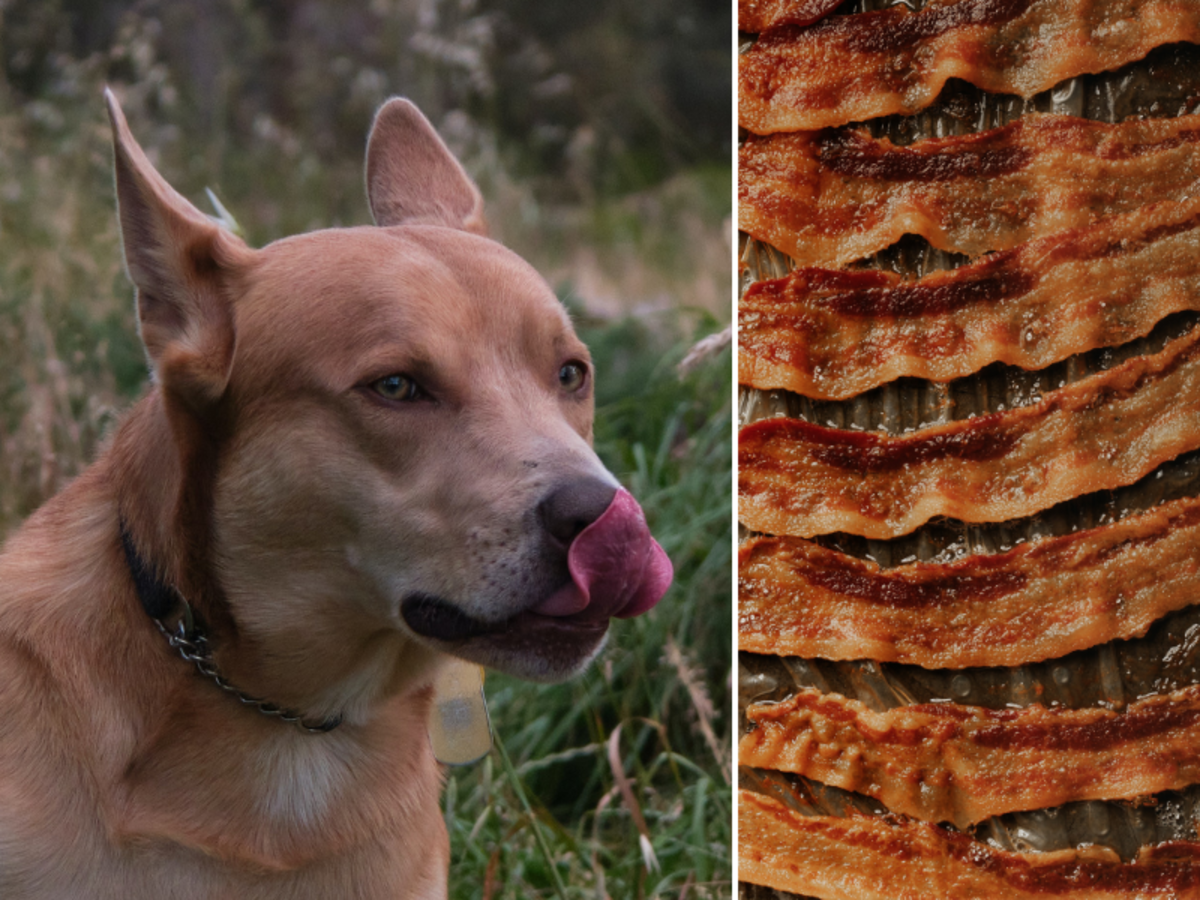
Did you know that your dog has over 200 million scent receptors? (1) That’s why when they catch a whiff of bacon frying or hear you opening their food bag, their mouth starts watering. This response is perfectly normal and typically settles down once mealtime passes.
Stress and Anxiety
Dogs also tend to drool when they’re feeling nervous or anxious (3). Changes in routine, being away from you, loud noises, or unfamiliar environments can all trigger this response. Perhaps you notice your pup drooling during car rides if they experience motion sickness, or when meeting new people.
Breed Characteristics
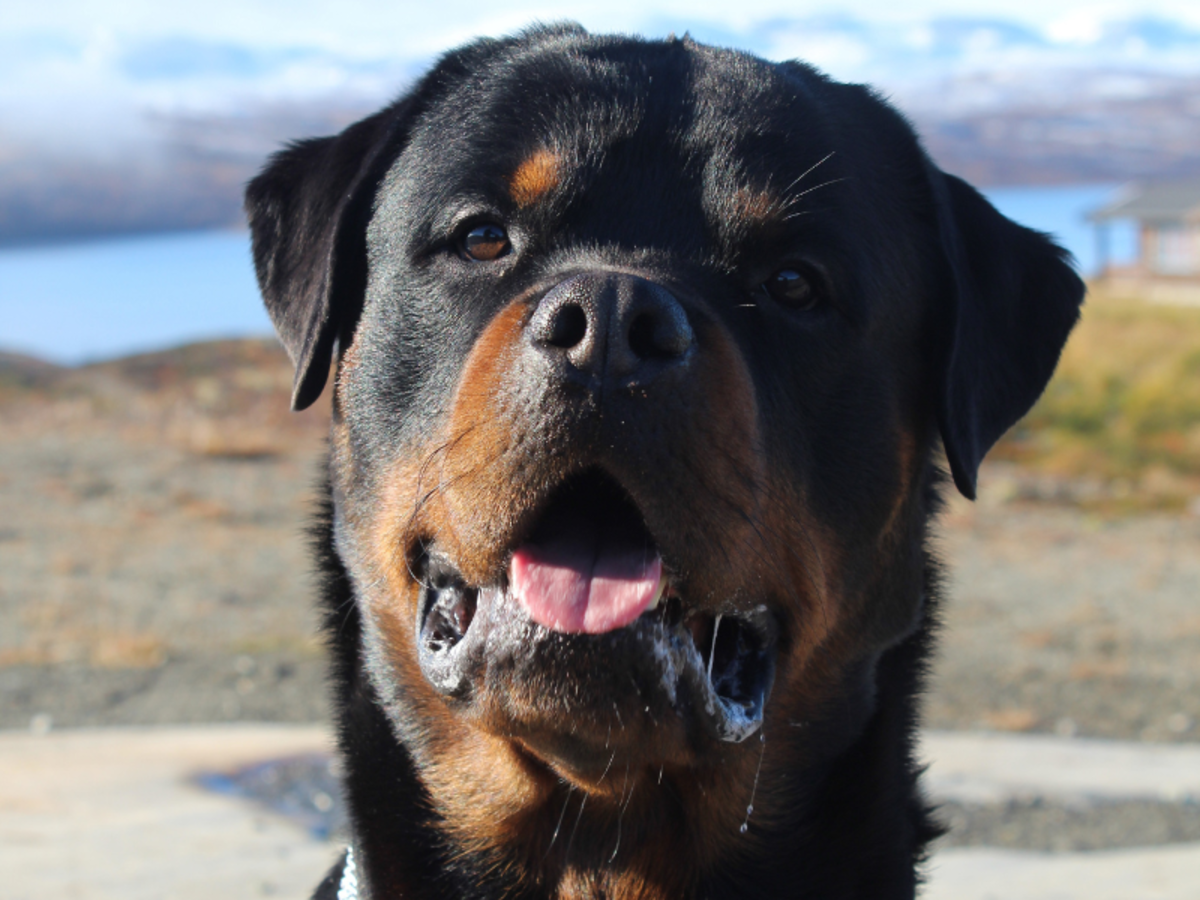
Some breeds simply drool more than others because of their facial structure. Bloodhounds, Saint Bernards, Mastiffs, and Newfoundlands have loose lips and jowls that don’t hold saliva in very well. As a result, it dribbles out naturally (1). If you have one of these lovably slobbery breeds, you’ve probably already invested in some good drool rags!
Heat and Thirst
Whenever a dog is warm or hasn’t had enough water, they may drool more as their body tries to regulate temperature. This is a classic signal for the need for hydration (4).

When Drooling Is a Problem
Normal drooling is quite harmless, but certain patterns need closer attention. It helps to watch for these signs:
- Constant wetness and stickiness around the mouth
- Saliva puddles appearing on floors or furniture
- Bad breath or swollen, inflamed gums
- Difficulty eating or swallowing
- Pawing at the face or rubbing the mouth repeatedly
- Signs of pain or discomfort, especially in the mouth area
- Loss of appetite or unexplained weight loss
- A bloated abdomen or unsuccessful attempts to vomit
If you notice any combination of these symptoms, please reach out to your vet promptly. These could mean a range of issues: dental disease, foreign objects stuck in the mouth, gastrointestinal upset, toxin exposure, etc. Or, even more serious conditions like bloat (which needs immediate emergency care) (4).
Medical Causes Worth Understanding
Excessive drooling can stem from various underlying conditions. Dental problems (like tartar buildup, tooth decay, or gum infections) are common culprits (1). Foreign bodies like wood fragments, bones, or plant matter wedged between teeth or stuck in the throat can also trigger drooling (1).
More serious causes include neurological disorders that affect salivation or swallowing, kidney or liver disease, seizures, heatstroke, and certain infections (4). Interestingly, there’s also something called pseudoptyalism. This condition is where a dog produces a normal amount of saliva but can’t swallow it properly. It happens due to anatomical issues or swallowing disorders (meaning the swallowing mechanism isn’t working as it should) (2). The result looks the same, but the underlying cause differs.
Home Remedies for Dog Drooling (After Veterinary Clearance)
Home remedies for dog drooling focus on hydration, dental care, reducing anxiety, and diet changes after serious medical causes are ruled out.
1. Keep Your Dog Well-Hydrated
Fresh, clean water should always be available. Dehydration can actually increase drooling as the body tries to compensate (5). You could try adding ice cubes to your dog’s water bowl to keep it cool and refreshing. Doing this is a great way to encourage more drinking and helps prevent dry mouth.
2. Regular Exercise
Physical activity benefits more than just a dog’s muscles and mind. It helps regulate saliva production, too. Firstly, walking stimulates blood circulation and oxygen delivery to tissues, which can help normalize how the salivary glands function (5). Secondly, exercise reduces stress and anxiety (both of which can contribute to excessive drooling).
3. Reinforce Dental Health
A dog’s oral health directly affects the production of saliva. Therefore, it’s always a good idea to practice routine dental care. You want to brush their teeth regularly (even a few times a week helps). Remember to schedule periodic veterinary dental checkups (6). Healthy gums and teeth mean less irritation and inflammation, and that typically translates to less drooling.
4. Support Their Diet
A balanced, high-quality diet helps to sustain overall oral health. Talk to your vet about adding some appropriate supplements. (A consultation first is important to make sure they’re appropriate for your dog’s specific needs.) For example, you might discuss:
- Probiotics (beneficial bacteria for gut health)
- Omega-3 fatty acids (which reduce inflammation)
- Vitamins C and E to boost the immune system and encourage healthy gums (5).
5. Safe Chewing Options
Giving your pet some appropriate chew items can help stimulate salivary glands in a healthy way. They can also help to keep the mouth clean (5). Please be careful to choose items that won’t damage teeth or gums. You’ll want to avoid anything too hard or sharp. Smooth chew toys or ice chips can give relief (especially if your dog is experiencing mild oral discomfort).
6. Reduce Anxiety When Possible
If stress triggers your dog’s drooling, you can help by making them feel safer (5). Consider using calming aids like pheromone diffusers (which release comforting scents) or gentle music. Training with positive reinforcement can also help your pup cope better with stressful situations. For severe anxiety affecting quality of life, please consult a professional behaviorist who specializes in canine anxiety.

Of the various home remedies for dog drooling, calming the dog is often the most effective. ThunderEase Dog Calming Pheromone Diffuser by Adaptil helps do exactly that. It releases a drug-free calming pheromone that reduces stress and anxiety at home, which can naturally lessen stress-related drooling.
7. Manage Breed-Related Drooling
For dogs whose facial structure naturally allows drool to escape, there isn’t much you can change about the anatomy itself, unfortunately. However, you can help your dog be more comfortable by keeping the fur around their mouth trimmed and clean (5).

A bandana or drool rag can catch excess saliva and prevent skin irritation from the constant moisture. Regular bathing of the chin and neck area helps prevent skin infections, too!
What to Avoid
Please be cautious about home remedies that haven’t been vetted by your vet. While you might come across suggestions for substances like lemon juice, apple cider vinegar, or coconut oil online. But when used without professional guidance, these substances can make things worse. They can cause side effects like stomach irritation or electrolyte imbalances. In many cases, the risks outweigh any possible benefits.
- ✕ Lemon juice can irritate a dog’s stomach, nervous system, and eyes if not used very carefully
- ✕ Apple cider vinegar can damage tooth enamel or upset digestion if it isn’t properly diluted
- ✕ Unapproved remedies should be avoided unless your vet confirms they’re safe for your dog
When to Seek Professional Help
Here’s when you’ll want to contact your vet without delay:
- Drooling along with behavior changes, vomiting, or trouble breathing
- Difficulty swallowing or signs something is stuck in the throat
- A swollen or bloated abdomen
- Uneven pupil size or other neurological signs
- Drooling that continues or gets worse despite home care
- Any concern about toxin or poison exposure
Your vet can examine the dog’s mouth and overall health, run tests to find the cause, and recommend the right treatment. This may include medication, dental care, surgery to remove obstructions or tumors, or treatment for an underlying condition. (4)
Prevention Is Your Best Approach
Preventing excessive drooling often comes down to good overall care. You can help your dog by:
- Consistent dental hygiene with regular brushing and professional cleanings
- Making sure they stay current on vaccinations, particularly for rabies (6)
- Keeping household toxins (cleaning products, poisonous plants, medications) safely out of reach
- Watching them during playtime to prevent them from chewing on inappropriate objects
- Adequate ventilation and shade during hot weather to prevent overheating
- Scheduling routine veterinary checkups to catch potential problems early
Building these habits into your routine creates a strong foundation for your dog’s oral and overall health.
Final Thoughts on Home Remedies for Dog Drooling
Home remedies for dog drooling can help your dog feel more comfortable (and reduce mess!) once serious causes are ruled out. This often means improving hydration, easing anxiety, and staying on top of their dental care. Simple steps like fresh water, calm routines, drool rags for slobbery breeds, and calming pheromones can help a lot. If drooling suddenly changes or doesn’t improve, a quick check with your vet is always the safest next step.
References
- VCA Animal Hospitals. (n.d.). Dealing with drooling.
- Apex Veterinary Specialists. (2024). Excessive drooling in dogs.
- VCA Animal Hospitals. (n.d.). Signs your dog is stressed and how to relieve it.
- American Kennel Club. (2021). Dog drooling: When is it cause for concern?
- Vetster. (2024). Excessive drooling (ptyalism) in dogs: Causes, treatment and associated symptoms.
- PetPlace. (n.d.). Ptyalism (hypersalivation or drooling) in dogs.