How Long Can a Dog Live Without Drinking Water?
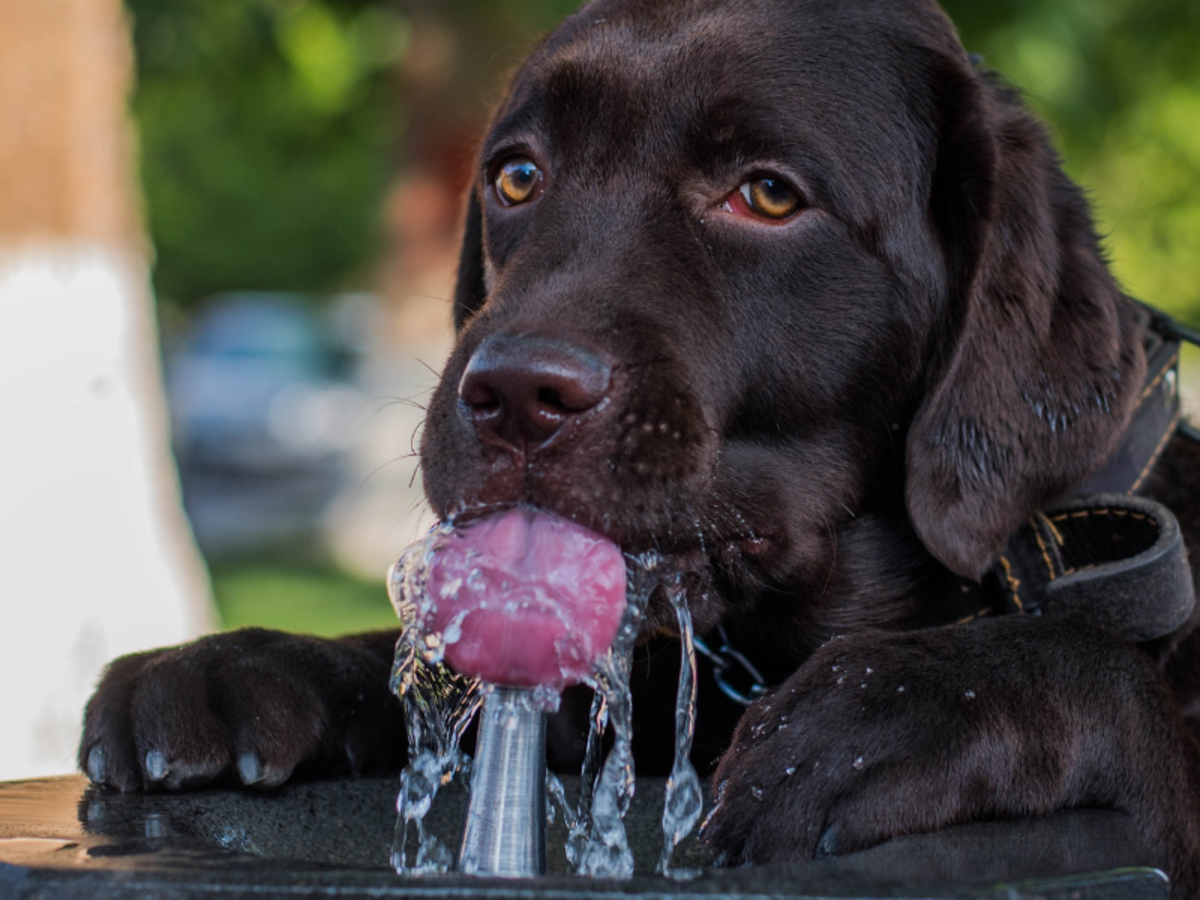
As pet owners, we must be sure our dogs always have enough water to avoid dehydration and its serious consequences. While most dogs can survive without water for up to 48 to 72 hours, the longer you leave it, the worse it is for your dog. You must give your pup access to water much sooner than that to help keep them healthy. The tips that follow can help your pet stay hydrated.
In This Article:
- What Are the Symptoms of Dehydration in Dogs?
- How Much Water Does a Dog Need Each Day?
- Can Dogs Stay Hydrated With Just Food?
- What If My Dog Won’t Drink Water?
- How Can I Stop My Dog From Getting Dehydrated?

What Are the Symptoms of Dehydration in Dogs?
A dog can become dehydrated for several reasons besides being without water for an extended period. Heat stroke, illness, fever, persistent vomiting, or diarrhea are prime examples. To help our four-legged companions, we first need to know the six most typical signs of dehydration:
- Lethargy: Water is vital for healthy blood circulation. If your dog seems tired or weak, dehydration could be a contributing factor.
- Panting: Heavy panting helps dogs cool down because they cannot sweat as humans do. Dehydration is possible if the dog suddenly starts panting during the night or more heavily than usual.
- Dry Nose and Mouth: A healthy nose and mouth should always feel at least somewhat moist. Please call your vet for urgent advice if they feel dry to the touch and your dog won’t take water.
- No Appetite: Dehydration makes chewing and swallowing difficult or painful. Unlike healthy pups, dehydrated ones are more likely to reject food.
- Recessed Eyes: The muscles holding the eyes in place dry out when an animal is severely dehydrated. The eyes may appear noticeably hollow because of this.
- Inflexible Skin: Healthy skin should quickly flatten out after pinching it—test it on the back of your dog’s neck. They may be dehydrated if the skin maintains its pinched shape.
How Much Water Does a Dog Need Each Day?
How much water your dog needs depends on their size, activity level, and health status. Veterinarian Dr. Anna Foreman says dogs should drink between 15 and 45 ml of fresh, clean water per kilogram daily. This broad guideline varies depending on the individual animal and circumstances. For example:
- Active dogs and those who have recently given birth or are pregnant will require more fluids per pound of body weight.
- Puppies typically drink more than adults because they are much more dynamic, and their bodies are still developing.
You can monitor the volume of water your dog takes by giving them the recommended daily amount based on weight and needs. In this way, you can decide whether they drink enough or require more.
Can Dogs Stay Hydrated With Just Food?
No, dogs need water to stay hydrated. Food alone isn’t enough to meet their hydration needs. While water is necessary for the health and well-being of our pets, we might sometimes overlook its true significance. Dehydration can negatively impact a dog’s quality of life; it can cause organ failure and even death. That’s why we must be certain our pets get enough clean water each day.
What If My Dog Won’t Drink Water?
If your pup has mild dehydration symptoms and isn’t vomiting, you may help them regain hydration by gently coaxing them with small amounts of water on a spoon or pieces of ice to lick. Even one ounce of water can perk them up, especially if they are small, sick, or in hot weather. Please note, however, that giving a dehydrated dog too much water at once can sometimes cause vomiting and make the situation worse.
Some experts recommend Ringer’s lactate, a prescription electrolyte solution, to help replenish lost minerals. Please consult your veterinarian for advice on this, even if your dog only has a minor case of dehydration.
Don’t Hesitate to Call Your Vet
When dogs refuse to drink water, they may already be suffering from dehydration. In this case, please take your pet to your local veterinarian or an emergency animal clinic. Rehydrating with intravenous fluids is often the only option for highly dehydrated animals.

How Can I Stop My Dog From Getting Dehydrated?
In some circumstances—hot weather, dry air, or when your pet is in a car without fresh ventilation, for example—a dog may not survive more than 24 hours without water. These situations lead to faster fluid loss and urgent water requirements. Here are some tips to keep your dog hydrated in these three situations:
1. During Hot Weather
Dogs need more water than humans in a warm climate because they pant to cool off and lose more fluids. They also need extra liquids to regulate their body temperature and help settle their stomachs. As a result, your canine companion might need water sooner than usual to remain healthy. To keep your dog hydrated when it’s hot outside:
- Fresh water should always be available, especially for active dogs.
- Offer ice cubes, frozen treats, or wet food to help your pup cool down and replenish fluids.
- Don’t leave your canine friend outdoors for extended periods or in direct sunlight.
- Regularly check their skin elasticity and gum color to monitor their hydration level. The skin should bounce back, and the gums should be pink and wet.
2. When Air Conditioning Is On
Air conditioning can dry the air and reduce the humidity in your home, affecting your dog’s hydration and skin condition. Even if your pup can go several hours without water under normal conditions, have extra water available when the air is dry.
Other options you have include:
- Use a humidifier to add moisture to the air and your dog’s coat.
- Keep a bottle of George’s Aloe Vera Spray Mister to hand to nourish your pup’s coat in dryer seasons or circumstances. This product is also handy if your dog’s fur is often static, dry, or flaky.
- Avoid using fans or heaters that dry the air (or your dog’s skin).
3. During Car Rides
Please don’t leave your dog in a vehicle, even temporarily. Cars can heat rapidly and reach lethal temperatures, even in mild weather. Dogs in this situation can quickly suffer from heatstroke, dehydration, or death. When your pup rides along in the car with you, consider these safety measures:
- Be sure they have access to water and shade.
- Avoid driving your vehicle during the hottest times of the day.
- Use window shades or tinting to block out some of the sun’s harmful UV rays.
- Keep the windows slightly open or use the air conditioner to circulate the air.
- If you must travel without your dog, leave them at home with sufficient water, food, and proper ventilation. Ask a neighbor to pop in occasionally to check on them and top up the water bowl.
What’s Your Go-To Tip for Keeping Your Dog Hydrated?
- Do you place water bowls in multiple spots around the house?
- Do you add a splash of low-sodium broth to their water?
- Do you set reminders to offer fresh water throughout the day?
Let us know in the comments below!
Final Thoughts
Although dogs may generally survive 48 to 72 hours without water, their ability to survive and thrive largely depends on the individual animal, its circumstances, and its environment.
The tips offered here can help you learn how to monitor and adjust your dog’s water intake, spot dehydration, and take action if your pup needs care. Our pets’ well-being depends on their ability to stay hydrated. So always offer your pet plenty of fresh water and watch their intake to keep them healthy.
Sources and Further Reading
- How Long Can a Dog Go Without Water? | Cincinnati Vets
Your dog must always have a fresh supply of water, but how long can they go without drinking it? Our Cincinnati vets explain. - Is My Dog Dehydrated? | PetMD
Dr. Michelle Diener tells us what to look for and what to do if you think your dog is dehydrated.