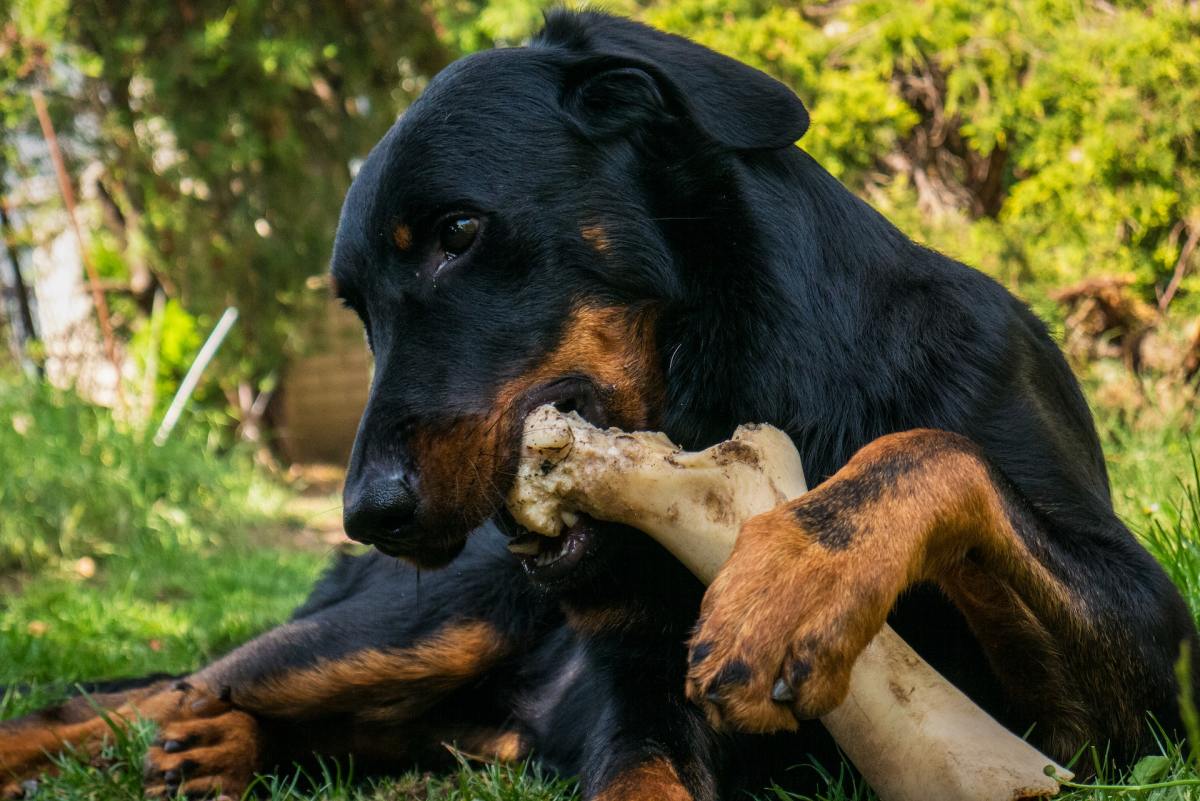
It can be frightening if your dog ate an edible or any marijuana product. Knowing what steps to take right away can help keep your pet safe and may even save their life. With marijuana legalization expanding across North America, veterinary emergency rooms have seen a dramatic increase in cases. One study reported a significant rise in marijuana toxicosis cases following legalization (1).
This article will help you understand what to do if your dog ate an edible and what steps to take to get them the help they need.
Are Edibles Toxic for Dogs?
Absolutely. The psychoactive compound tetrahydrocannabinol (THC) is the primary cause of marijuana toxicity in dogs. Research shows that dogs have a higher number of cannabinoid receptors in their brains compared to humans, making them more susceptible to toxic effects (2).
Dogs can become toxic by ingesting marijuana-laced baked goods, other edibles, marijuana smoke, or the plant itself. Through selective breeding, THC concentrations in products have increased dramatically—from 1-4% historically to as high as 24% in plant material and up to 90% in concentrated products (3). Depending on how much they consume, symptoms typically appear 30 minutes to three hours after ingestion and can last up to 72 hours (4).
5 Important Steps to Take If Your Dog Ate Marijuana
You must take the following five actions if your dog ate an edible or another form of marijuana:
1. Contact a Veterinarian or Poison Control Immediately
The level of danger an edible poses to your dog varies depending on several factors, including the amount consumed, THC concentration, and your dog’s size. For an adult human, a small amount may seem insignificant, but dogs process THC very differently.
Contact a veterinarian or the ASPCA Animal Poison Control Center immediately at (888) 426-4435 and provide details of the incident (5). This includes the type of edible, the quantity consumed, and any signs or symptoms your dog is displaying. The ASPCA Animal Poison Control Center is available 24 hours a day, 365 days a year. A consultation fee may apply.
2. Save a Sample or Packaging
If possible, keep a sample of the edible product for identification by the veterinarian. If you no longer have a sample, keep any packaging the edible came in. This helps assess how much was ingested and formulate an appropriate treatment plan.
Check if the edible has an ingredient list or THC content listed. However, one study found that THC content was accurately labeled in only 17% of products tested—23% were underlabeled and 60% were overlabeled (3). This information is still critical to share with medical professionals to protect your pet’s well-being.
3. Monitor and Track Symptoms
Each dog has a unique reaction to cannabis, and symptoms can vary based on the type and amount ingested. Research has identified the most common clinical signs of marijuana toxicity (1, 4):
- Urinary incontinence
- Ataxia (staggering, uncoordinated movements)
- Disorientation
- Lethargy
- Hyperesthesia (excessive reactivity to noise or touch)
- Bradycardia (slow heart rate)
- Drowsiness
- Drooling
- Dilated pupils
A 2024 study of 223 dogs with confirmed marijuana toxicity found that hyperesthesia occurred in 75.2% of cases, and cardiovascular abnormalities like tachycardia (fast heart rate) and hypertension were more common than previously recognized (6). Because THC is stored in fat cells, symptoms can persist for several days.
While most cases are mild, increasingly potent THC products have led to more severe presentations, including comatose states, low respiratory rates, seizures, or absent gag reflexes (4). Veterinarians have reported fatalities associated with marijuana ingestion, particularly when combined with other toxic substances like chocolate or xylitol.
4. Keep Your Dog Calm and Comfortable
Keep your pet calm and quiet to avoid aggravating any effects from the edible. Find a warm area where your dog can rest safely. Reassure them naturally rather than making a big deal out of the situation.
When a dog obeys routine commands, its attention is diverted, and it feels more normal. Commands like sit, down, and heel can comfort a dog in distress. Give your pet their favorite toys and a comfortable couch or bed to lie on.
5. Keep Your Dog Hydrated
Offer plenty of fresh drinking water in a clean pet bowl. Staying hydrated helps your dog’s body work at flushing out toxins and prevents dehydration.
It may help to NOT give your dog food for a short while, at least until advised by a veterinarian or poison control representative. As long as your dog is drinking enough water, they will be fine without food for a short while.
Current Treatment Approaches
Current treatment recommendations focus on supportive care, particularly for mild cases. Decontamination methods such as inducing vomiting and activated charcoal are not recommended if a patient is already symptomatic due to aspiration risk (4).
Supportive care typically includes intravenous fluid therapy and protection from bodily harm. For severely affected patients, treatments like intravenous lipid therapy may be considered, though research on its efficacy remains ongoing (4).
Diagnosis Challenges
Diagnosing marijuana toxicity can be challenging. While gas chromatography/mass spectrometry is the gold standard for detecting THC metabolites, it’s costly, not widely available, and lacks immediate results (6). Over-the-counter human urine drug tests are often unreliable in dogs—one study found no positive results in 25 suspected cases that were later confirmed through laboratory testing (6).
Recent research using advanced laboratory methods (UPLC-MS/MS) shows promise for more accurate diagnosis, detecting marijuana metabolites at much lower concentrations than human urine tests (7). However, most veterinarians still rely on clinical signs and history for diagnosis.
Prevention Is Better Than Cure
Preventing marijuana ingestion is the most effective way to protect your dog. Take these precautions:
- Keep all edibles, plant material, and marijuana products securely stored out of your dog’s reach
- Use cannabis-specific containers with safety locks designed to keep out children and pets
- Dispose of marijuana-containing trash immediately and securely
- Please be vigilant when your dog is outside; many cases involve dogs ingesting marijuana found in public places
- Never intentionally expose your pet to marijuana smoke or products
When to Seek Emergency Care
Treat marijuana ingestion as an emergency. Your veterinarian or poison control center will advise whether to bring your dog in for emergency treatment or monitor symptoms at home.
It’s best to be completely honest with your veterinarian about suspected or confirmed marijuana exposure. Veterinarians are not required to report these cases to law enforcement (3). Their only concern is your pet’s well-being, and accurate information helps them provide the best care and avoid unnecessary tests.
Final Thoughts
If your dog ate an edible, take immediate action. Contact the ASPCA Animal Poison Control Center at (888) 426-4435 or your vet right away. While most dogs recover fully with appropriate supportive care, the increasing potency of THC products means even small amounts can cause severe symptoms.
Keep your pet warm, comfortable, and hydrated while awaiting professional guidance. With prompt veterinary care and proper management, your dog can recover completely from marijuana toxicity.
Sources
- Amissah, M., et al. (2022). Prevalence and characteristics of cannabis-induced toxicosis in pets: Results from a survey of veterinarians in North America. PLOS ONE, 17, e0261909.
- Glass, M., Dragunow, M., & Faull, R.L. (1997). Cannabinoid receptors in the human brain: A detailed anatomical and quantitative autoradiographic study. Neuroscience, 77(2), 299-318.
- Wismer, T. (2024). Marijuana Intoxication in Cats and Dogs. Today’s Veterinary Practice.
- Cummings School of Veterinary Medicine, Tufts University. Marijuana Toxicosis in Pets.
- ASPCA. Animal Poison Control Center. Contact: (888) 426-4435.
- Yankin, I., et al. (2024). Clinical examination findings and electrolyte abnormalities of dogs with marijuana/tetrahydrocannabinol toxicity: 223 cases. Journal of the American Veterinary Medical Association, 262(8).
- Fitzgerald, A.H., et al. (2021). Detecting and quantifying marijuana metabolites in serum and urine of 19 dogs affected by marijuana toxicity. Journal of Veterinary Diagnostic Investigation, 33(6), 1002-1007.