Sometimes, our dogs do things that puzzle or worry us. One of those things is chattering their teeth whenever they seem cold or nervous. In dogs, chattering teeth is a natural way to warm up and produce heat. But sometimes, the behavior may mean they are scared, anxious, or worse. Let’s look at some scenarios and tips to help your pet feel warmer and safer.
What Is Teeth-Chattering in Dogs?
A dog’s teeth chattering involves rapid opening and closing of the mouth, causing the top teeth to rub against the bottom teeth, and this makes a clicking sound (1). The movement can be side-to-side or up and down.
Dental wear (attrition) and discomfort in the temporomandibular joint (TMJ) in a dog’s mouth can result from the teeth grinding and chattering over time.
How Does This Problem Affect a Dog’s Oral Health?
It might appear harmless, but this behavior can negatively impact oral health if ignored. The constant rubbing and grinding of teeth can erode the enamel, leading to dental wear and tear. It can even cause tooth loss in severe cases.
This unwanted situation can affect a dog’s ability to eat, chew, and even play. So, identifying the underlying cause is necessary to prevent long-term dental or health complications.

Source: Photo by Fox on Unsplash
Why Do Dogs Chatter Their Teeth?
- Low body temperature
- Gum disease
- Dental issues or oral pain
- Stress and anxiety
- Excitement or anticipation
- Gastrointestinal problems
- Seizures
- Neurological disorders
Knowing that various health and dental conditions can affect this behavior will help you understand why your dog’s teeth might chatter or quiver. Let’s take a closer look at these eight possible causes. We can then figure out what’s behind the chatter and discuss solutions.
1. Low Body Temperature
A drop in body temperature is the most common explanation for a dog’s teeth chattering. It’s natural for them to feel chilly after a swim or to shiver after surgery because of the anesthesia effects.
Uncontrollable teeth-chattering is a natural response to warming up and regulating body temperature (2). I sometimes notice this temporary behavior in my dog after bathing him.
2. Gum Disease
If a dog has gum disease or other related medical conditions, it might become apparent by noticing your dog’s teeth chattering. The reason is that the infection and inflammation can irritate or damage nerves and blood vessels in the mouth. As a result, signals of pain or discomfort shoot to the brain. Your dog may shiver as a way of coping.
3. Dental Disease and Oral Pain
One of the most common causes of a dog’s teeth chattering is oral pain (3). Dental problems like tooth decay, abscesses, broken teeth, fractured teeth, or oral tumors might cause your dog’s mouth to quiver due to discomfort. Our dogs can’t tell you their mouth hurts, but they may chatter as a response to pain.
4. Stress or Anxiety
A dog’s teeth chattering is a common sign of stress and anxiety in dogs (4). It can also become more common as they age. Various factors may trigger these emotions, such as:
- Loud noises (e.g., fireworks, thunder)
- Unfamiliar dogs or situations
- Separation from owners
- Vet visits
By chattering their teeth, dogs can release tension or calm themselves down.
One way to help your dog cope is to play soothing music, which can be calming. Studies show that classical music, soft rock, and reggae can reduce stress levels and heart rate in dogs (5). In particular, a 2017 study by the Scottish SPCA found that soft rock and reggae led to more relaxed behaviors and reduced stress indicators in shelter dogs.
5. Excitement or Anticipation
Sometimes a dog experiences teeth chattering when they are in a heightened emotional state. It’s not uncommon to see this behavior when a dog anticipates something positive, like food or a toy (6). Some chatter when they’re overstimulated, like during play, before a walk, or when they see their owner coming home. This is typically a harmless behavioral quirk!
6. Gastrointestinal Problems
Digestive problems often cause nausea, vomiting, diarrhea, or abdominal pain. This concern is more common in small and older dogs. When this happens, it’s common for a dog’s jaws and teeth to shiver as a reaction to discomfort or distress.
Often affecting their appetite and digestion, this situation can lead to further complications if left untreated.
7. Seizure Disorders
Neurological conditions such as focal seizures can trigger involuntary movements of the jaw and teeth, which may look like chattering or quivering.
Focal seizures are abnormal electrical activity surges in a specific part of the canine brain. Interestingly, they may only affect one limb or side of the body. Snapping at the air (fly-biting) is a typical reaction.
8. Neurological Issues
Another possible cause is a neurological condition.
White dog shaker syndrome involves more general head and body tremors. It happens mostly to white, small breeds like Maltese or Chihuahuas. But really, it can affect dogs of any color and size. Although this condition doesn’t directly affect the jaw muscles, teeth can rattle because of the tremors.
Tips to Calm and Soothe Your Dog
You needn’t worry too much if you occasionally hear your dog’s teeth chattering with no other indications of discomfort. You may be able to resolve the issue with simple home remedies, including:
- Keeping your dog cozy
- Giving them chew toys
- Brushing their teeth regularly
Whenever my dog starts shaking and trembling after a swim or a bath:
- I wrap him in a warm towel and cuddle with him until his mouth stops quivering.
- I dry his fur thoroughly with a towel and a hairdryer on a low setting.
- Sometimes, I’ll give him a treat or a toy to distract him from the cold; this makes him feel more comfortable.
Keep these tips in mind if you see your dog shivering after a bath to keep them warm and content.
When to Call the Vet
Nevertheless, call your vet immediately if you are worried or notice any of the symptoms in the table below.
Possible symptoms associated with your dog’s teeth chattering – please call your vet for advice:
- Swelling
- Lethargy
- Bad breath
- Weight loss
- Appetite loss
- Aggression
- Drooling
- Pawing at the mouth
- Reddened gums

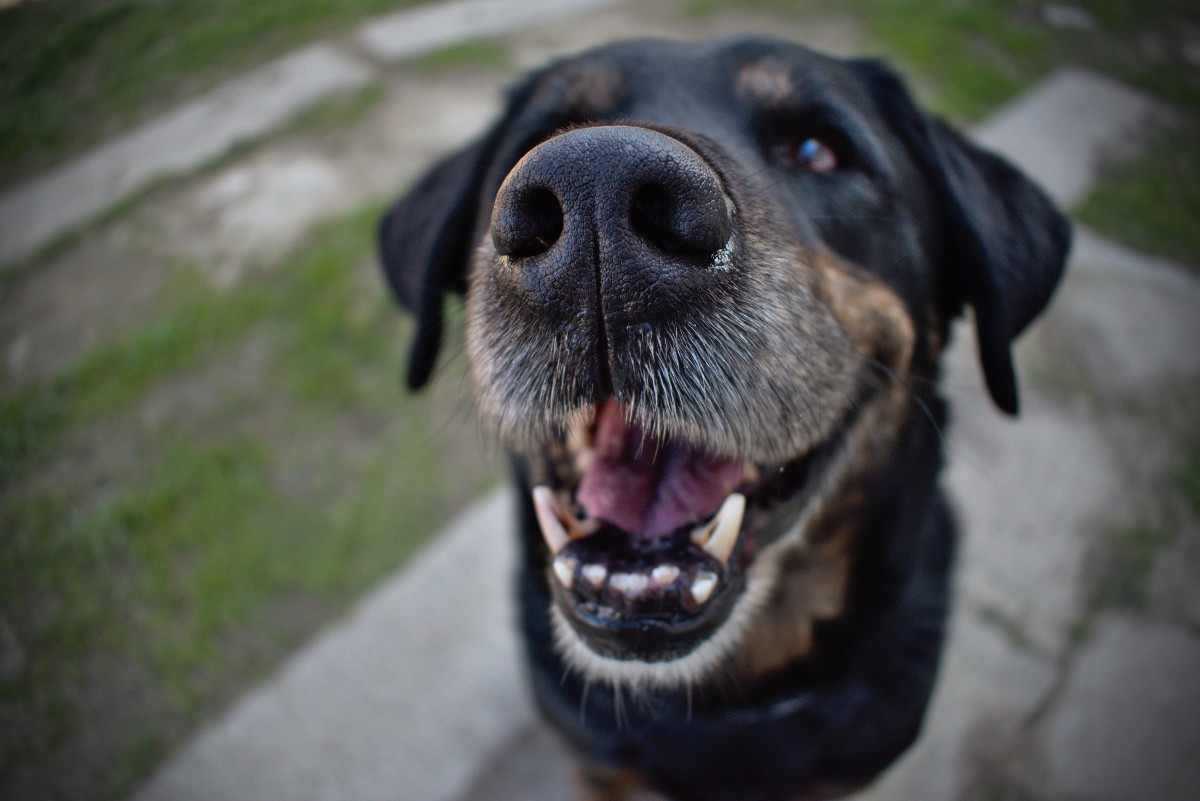
Source: Photo by joesef key on Unsplash
Final Thoughts
Dogs can experience teeth chattering due to cool temperatures, dental issues, stress, excitement, stomach problems, or neurological matters. In most cases, it’s perfectly normal, but it can also be a sign of a potential health issue. It’s our responsibility to keep an eye on this issue and look for any concerning symptoms.
If you’re uncertain or worried, please call your vet for advice. With the insights and tips I’ve shared here, I hope you better understand the causes of teeth-chattering in dogs and how to give your pet the best care.
Sources and Further Reading
- Teeth Chattering in Dogs: Causes and Treatment – American Kennel Club
- Shivering – Encyclopedia Britannica
- Dog Teeth Chattering: Causes and What To Do – PetMD
- Why is My Dog Chattering Its Teeth? – Pewaukee Veterinary Service
- Does Music Help Dog Separation Anxiety? – Caring Hearts Animal Hospital
- My Dog’s Teeth are Chattering: What Does it Mean – Lincolnway Veterinary Clinic
- Teeth Chattering in Dogs – Veterinary Partner