A dog’s gums should be a healthy pink color. Pale gums can signal a drop in blood flow or low oxygen levels in the tissues. This can happen for many reasons. Some are mild. Others need a vet right away. If your dog’s gums are pale, this guide will help you understand what this may mean and some tips on what you can do at home to help your pet.
Why Are My Dog’s Gums Pale?
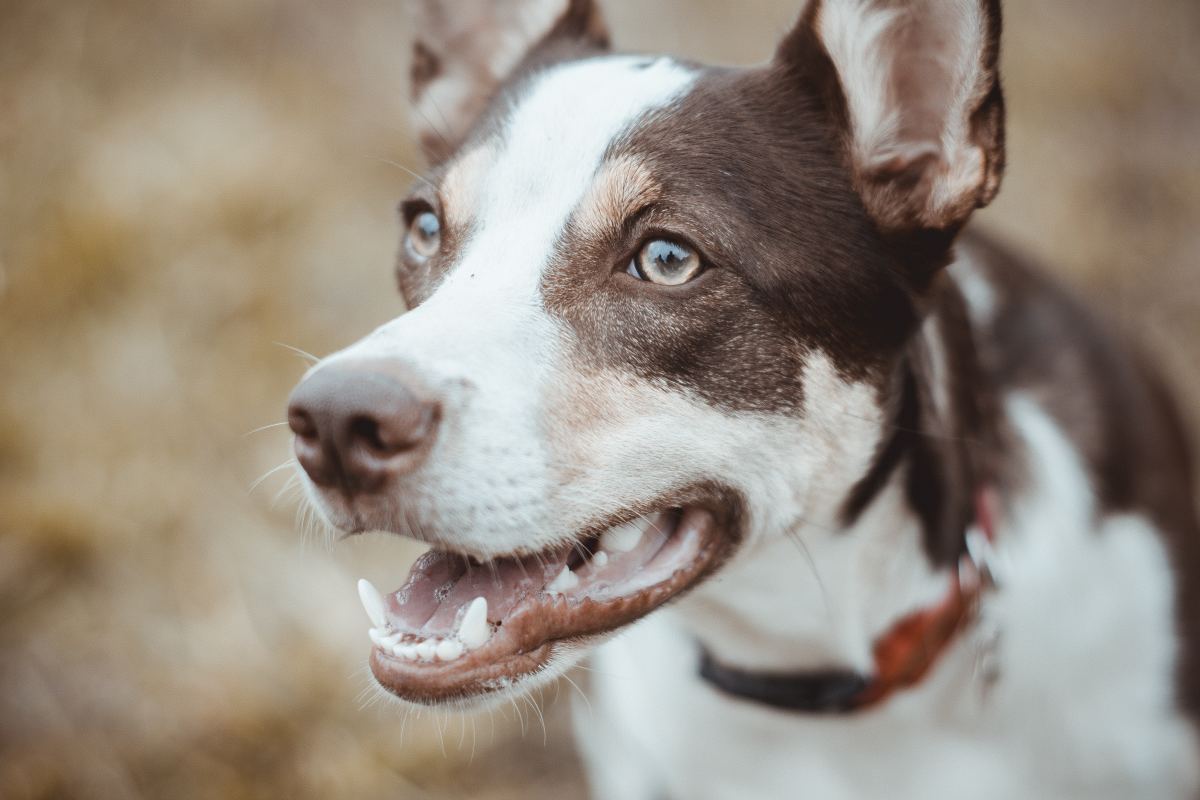
Healthy gums look pink or salmon. This color comes from the tiny blood vessels under the surface. If blood flow drops or oxygen levels fall, the gums can look pale or even white.
One common reason is anemia. Anemia means a dog has fewer red blood cells or less hemoglobin than normal. This reduces the blood’s ability to carry oxygen.
Learn more about gum color in dogs in this helpful guide from Vets Now, which shows a helpful “gum color chart”.
Anemia Is a Symptom, Not a Disease
Anemia happens because something else is affecting red blood cells, which explains why a dog’s gums are pale when anemia is to blame. Here is how the body works:
- Red blood cells carry oxygen from the lungs to all body tissues
- Hemoglobin gives blood its deep red color and binds oxygen
- When red blood cells or hemoglobin drop, tissues receive less oxygen
- Low oxygen can damage cells and organs
There are many causes of anemia. Unfortunately, some are pretty serious and need treatment without delay.
Potential Causes and Treatment Options
1. Blood Loss
Blood loss is one of the clearest reasons a dog’s gums may turn pale. Bleeding can happen inside the body or outside.
Common causes include:
- trauma or injury
- ulcers
- bleeding disorders
- surgical complications
If your dog is bleeding:
- Apply pressure with a clean towel
- Keep them calm and warm
- Go to the vet as soon as possible
Your vet may need to stop the bleeding, give fluids, or perform a blood transfusion. Severe blood loss can cause shock. Shock can lead to pale gums, rapid heartbeat, weakness, low blood pressure, cold extremities, or collapse.
You can learn more about anemia and blood loss in dogs from VCA Animal Hospital.
2. Hemolysis
Hemolysis means red blood cells are being destroyed faster than the body can replace them. Causes include:
- toxins
- parasites
- infections
- certain immune disorders
- cancer
Signs may include:
- pale gums
- jaundice
- dark urine
- rapid breathing or heartbeat
If you suspect hemolysis:
- Visit your vet for a blood test
- Follow any treatment needed to stop red blood cell destruction
Left untreated, hemolysis can lead to organ failure, so please don’t delay if you are concerned.
The AKC is also a good resource to explain additional background on warning signs of serious illness in gums and mucous membranes.
3. Decreased Red Blood Cell Production
Red blood cells are made in the bone marrow. Some conditions can slow or stop this process. When the bone marrow is not working well, the dog cannot produce enough new red blood cells.
Your vet may:
- perform blood work
- recommend a bone marrow test
- give medications to stimulate production
This type of anemia can cause long-term weakness. Treatment focuses on the underlying condition.
4. Nutritional Deficiencies
A dog’s body needs iron, vitamin B12, and folate to make red blood cells. If their diet lacks these nutrients, anemia can develop.
If you think your dog may be deficient, there are a few things you can do at home to help:
- review their diet
- choose a complete and balanced dog food
- ask your vet about blood testing
- use supplements only with veterinary guidance
Nutritional anemia is treatable once the missing nutrients are corrected.
For guidance on choosing safe, balanced diets, you can take a look at WSAVA’s global nutrition guidelines.
5. Old Age
Senior dogs may make fewer red blood cells. This can lead to mild anemia and pale gums. Although please be assured that it may not always signal illness.
If your older dog has pale gums, you can take a few steps to help your dog by:
- Scheduling regular wellness exams
- Checking for other changes in energy, appetite, or breathing
- Following your vet’s monitoring plan
It’s worth noting here that aging brings natural changes, but early detection helps catch more serious issues.
How to Check Your Dog’s Gums
Checking gum health can help you spot problems early. Here is how to do it safely:
- pick a calm moment
- lift the upper lip gently
- use a phone light if needed
- look for color changes or dryness
- press a fingertip to the gum and watch the color return
- normal refill time is about two seconds
- look at the tongue and inner cheeks too
If anything looks pale, grey, white, or unusual, please call your vet.
Final Thoughts
If a dog’s gums are pale, this is a situation that should never be ignored. They may result from aging or a short-term issue, but they can also signal serious health problems. If your dog’s gums look unusually pale, please call your vet. A fast check-up can prevent complications and help protect your pet’s health. Additionally, it’s a good idea to inspect your dog’s mouth at least once a month or more often if they have any health issues or risk factors. For example, if you spot any changes in their behavior, appetite, energy level, or breathing.

Frequently Asked Questions
Are pale gums in dogs always an emergency?
Not always, but they can be. Pale gums often signal anemia, shock, or blood loss. A vet should check your dog as soon as possible.
Can dehydration cause pale gums?
Yes. Dehydration can make gums feel dry or sticky and may lighten the color. Your vet can confirm the cause.
Can worms make my dog’s gums pale?
Yes. Heavy parasite loads can cause blood loss or destroy red blood cells. Deworming and vet care are needed.
What color should healthy dog gums be?
Healthy gums are usually pink or salmon-colored. Use this gum color chart from Vets Now as a reference.
Will pale gums go back to normal after treatment?
Often yes. Once the underlying cause is treated, the color usually returns to normal.
Sources and Further Reading
- PetMD: Pale and White Gums in Dogs
- VCA Animal Hospital: Anemia in Dogs
- Vets Now: Gum Color in Dogs
- WSAVA Nutrition Guidelines