What Causes Swollen Ears in Dogs?
When a dog ear suddenly becomes swollen, it usually means inflammation and discomfort, and a vet should check it as soon as possible. Different factors can trigger this. Inflammation can cause redness, heat, pain, and hearing problems. The swelling usually affects the ear flap, also known as the pinna. Thankfully, proper care resolves most cases promptly, and there’s much you can do at home to help.
First, here are some of the most common causes of canine ear swelling:
1. Ear Infections
Bacteria, fungi, yeast, or allergies can cause ear infections. They can lead to discharge, odor, discomfort, and inflammation in the ear. Without proper treatment, they can spread to the inner ear and affect your dog’s balance and hearing. Ear mites, foreign objects, water in the ear, or other underlying conditions can trigger infections.
2. Ear Mites
These tiny parasites feed on wax and oils inside your dog’s ear canal. They are more common in puppies and young dogs, but can affect any dog. Ear mites can cause intense itching, scratching, head shaking, and dark brown or black debris in the ear canal. Ear mites can also lead to ear hematomas or infections if left untreated.
3. Allergies
The environment around your dog may contain allergens such as pollen, dust, mold, or food. These factors may cause the ears to itch, redden, swell, and produce discharge. Unfortunately, they also make ear infections more likely. Finding the source of an allergy and getting the right treatment from your vet are the best ways to manage it.
4. Ear Hematomas
These blood-filled swellings occur when a blood vessel in the ear flap ruptures due to trauma or injury (1). Ear hematomas can be caused by excessive scratching or head shaking due to ear mites or infections or by bites, thorns, or insect stings. They can make the ear flap heavy, puffy, or distorted.
5. Foreign Objects
These can be anything that gets stuck in your dog’s ear canal, such as grass seeds, dirt, wax, or debris. Foreign objects can cause irritation, inflammation, infection, or obstruction in the ear. Take your dog to the vet immediately if you think something is in its ear; you want to prevent further issues.
6. Tumors or Growths
Occasionally, dogs may develop lumps or masses in or near the ear. They can be harmless or harmful and can affect the ear canal, the ear flap, or the glands close to the ear. Tumors or growths can result in swelling, pain, bleeding, or discharge in the ear. They can also impair a dog’s hearing or ear function. Your vet would need to examine any abnormal growth as soon as possible.

How to Reduce Dog Ear Swelling?
In this section, I’ll offer tips on what to do if your dog’s ear appears swollen. Depending on the problem’s cause and severity, you may be able to provide supportive care at home. However, the right way to care for it always depends on the specific situation, so please follow these tips with your vet’s guidance:
1. Apply Cold Compresses (With Important Limitations)
If your dog has an ear that appears swollen, cold compresses can help reduce swelling and pain in the initial 24-48 hours by constricting blood vessels (2). However, there are some limitations to know about:
- Cold compresses provide only temporary relief and do NOT treat the underlying cause (3)
- For ear hematomas specifically, cold compresses alone will NOT resolve the condition (4)
- Never apply ice directly to the skin (always wrap it in a towel) (5)
- After the initial 24-48 hours, warm compresses may be more beneficial to encourage blood reabsorption (6)
- Apply a cold compress for 10-15 minutes at a time, several times daily
- If the dog ear is swollen due to a hematoma, veterinary treatment becomes necessary to prevent permanent “cauliflower ear” deformity and chronic pain (7)
IMPORTANT: While cold compresses can provide temporary comfort, please remember that they should never replace veterinary care. Most ear hematomas need drainage, suturing, or other veterinary intervention to heal properly (8).
2. Examine Your Dog’s Ears Regularly
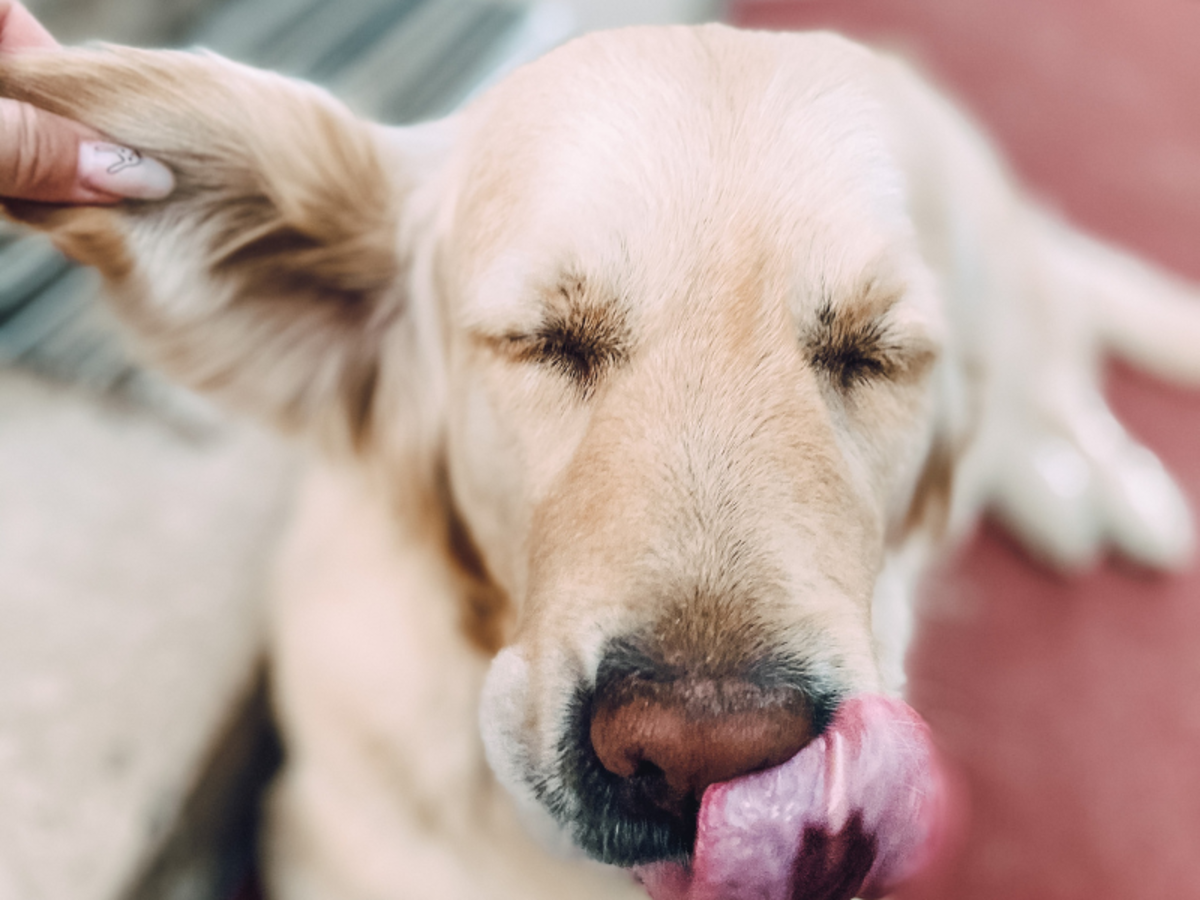
It’s best to check your dog’s ears at least once a week, especially if they have ear problems. If your pet has floppy ears, lift the flap and check inside more often.
- Have your dog sit or stand near you and gently pull back the ear flap to expose the inner side of the ear
- Look for any signs of swelling, redness, discharge, odors, debris, or pain
- If you see any of these signs, contact your vet right away
3. Clean Your Dog’s Ears Gently
- Use pet ear wipes to wipe away any dirt or wax from the outer ear
- Apply veterinary-approved ear drops, such as Vetnique (*link to Amazon below), and massage the base of the ear gently
- Don’t use cotton swabs or insert anything into the ear canal, which can damage the eardrum or push any foreign object deeper

4. Apply Medication as Prescribed by Your Vet
Your vet may also prescribe oral or topical antibiotics or antifungals, anti-inflammatory drugs, painkillers, or insecticidal eardrops; this will depend on the underlying cause of your dog’s swollen ear. Carefully follow the instructions and complete the treatment course.
5. Veterinary Treatment for Hematomas
If you’re worried about your dog and suspect the ear is swollen due to a hematoma, veterinary intervention is typically necessary (9). Treatment options include:
- Needle aspiration: Draining fluid with a needle and syringe, often combined with steroid injection (10)
- Surgical drainage: The gold standard treatment, involving draining the blood and suturing the ear to prevent refilling (11)
- Drainage tubes: For larger breeds where the ear can accommodate a drain (12)
- Medication and compression: Combining steroids with bandaging to keep the ear flat against the head (13)
Your vet might need a needle and syringe to drain the blood from the ear flap. This process will remove the hematoma and stop it from returning. Vets often recommend this for dogs with large or persistent hematomas that don’t respond to conservative treatment.
All ear hematomas should be evaluated by a veterinarian to determine the best treatment approach and to address the underlying cause.
Preventative Tips to Keep Your Dog’s Ears Healthy
The best way to prevent inflammation is to keep your dog’s ears clean and healthy. Some useful tips you can follow include:
1. Regular Ear Checks
Check your dog’s ears often for any signs of problems, especially if they have floppy ears, as they can easily get dirty or infected. Look for changes in color, shape, size, texture, smell, or discharge. Call the vet promptly if you notice anything unusual, like blood, pus, or a sudden loss of hearing.
2. Proper Ear Cleaning
Depending on the breed and lifestyle, you may need to clean your dog’s ears more or less frequently. Generally speaking, you should care for their ears once a week or whenever they get dirty or wet. Use a gentle ear cleaner designed for dogs, and avoid alcohol or vinegar, as these can irritate the skin.
3. Drying After Water Activities
Always dry your dog’s ears properly after swimming or bathing. Moisture can create a favorable environment for bacteria and fungi to grow and cause infections. Use a soft towel to gently pat the ears dry and ensure no water remains in the ear canal.
4. Trimming Ear Hair
Some breeds have lots of hair around and inside the ear canal. Excess hair can trap dirt, wax, and moisture and cause infections. Using hair clippers or scissors, carefully trim the hair around the ear opening and improve air circulation. Just be careful not to cut the skin or damage the ear flap!
5. Preventing Ear Injuries
Because dogs’ ears are delicate, keeping them safe from potential hazards like sticks, thorns, and sharp toys that could cause swelling or injury is wise. Give your pet soft, safe toys to play with instead.
You might also consider using an ear protector to protect your dog’s ears from the cold, wind, or sunburn (a frequent cause of swelling or irritation). Many veterinarians recommend them. If you buy one, check that it fits properly and doesn’t make your dog uncomfortable or interfere with breathing or hearing.

Final Thoughts
If we want to avoid swollen ears in our dogs, we must take good care of them. It can be very distressing to see our pets struggle with ear issues. But follow these easy tips because regularly cleaning and inspecting means healthy and happy ears. And don’t delay seeing a vet if you notice any symptoms of pain or infection; early treatment can prevent worse problems!
Remember: While supportive care like cold compresses can bring temporary relief when a dog has an ear that is swollen, most causes (especially ear hematomas) need veterinary diagnosis and treatment to resolve properly and prevent any nasty complications.
Sources and Further Reading
- Ear Hematoma in Dogs – Small Door Veterinary
- Ear Hematoma in Dogs: 5 Essential Treatment Options Revealed – The Pet Vet
- Why You Shouldn’t Treat Your Dog’s Ear Hematoma at Home – GoodRx
- Treating Dog Ear Hematoma: Ice or Vet Visit? – JustAnswer Veterinarian
- Aural Hematoma – Kennett Veterinary Clinic
- How to Treat a Dog Ear Hematoma at Home – Whole Dog Journal
- Home Remedy For An Ear Hematoma – Cuteness
- How to Treat a Dog Ear Hematoma At Home – Vetericyn Animal Wellness
- Haematoma in Dogs – My Pet Nutritionist
- Dog Ear Swelling and Pain: Causes and Treatments – WebMD
- How to Check for Dog Ear Problems – PetMD