If you’ve ever wondered whether you can teach a dog to use a litter box, plenty of dog owners like you find the idea appealing. Especially when weather, mobility, or apartment living make outdoor potty trips tougher than usual. The nice part is that litter box training is often easier than expected. With a little patience and consistency, many dogs actually take to it quite well!
Instead of replacing walks, think of this method as adding a helpful backup option for days when going outside isn’t ideal.
Why Train a Dog to Use a Litter Box?
Most of us take our dogs outside several times a day, but real life doesn’t always cooperate. Heavy rain, ice, long work shifts, or a dog recovering from surgery can make potty breaks stressful or rushed. Presenting an indoor setup gives your dog another safe place to go when needed.
This approach works especially well for:
- small breeds
- senior dogs
- dogs recovering from medical procedures
- people living in condos or upper-floor apartments
Adding this option can make daily routines much smoother for both you and your dog.
What You’ll Need
Before you get started, it helps to gather a few supplies. A small amount of preparation makes the training process more comfortable.
A Large Litter Box
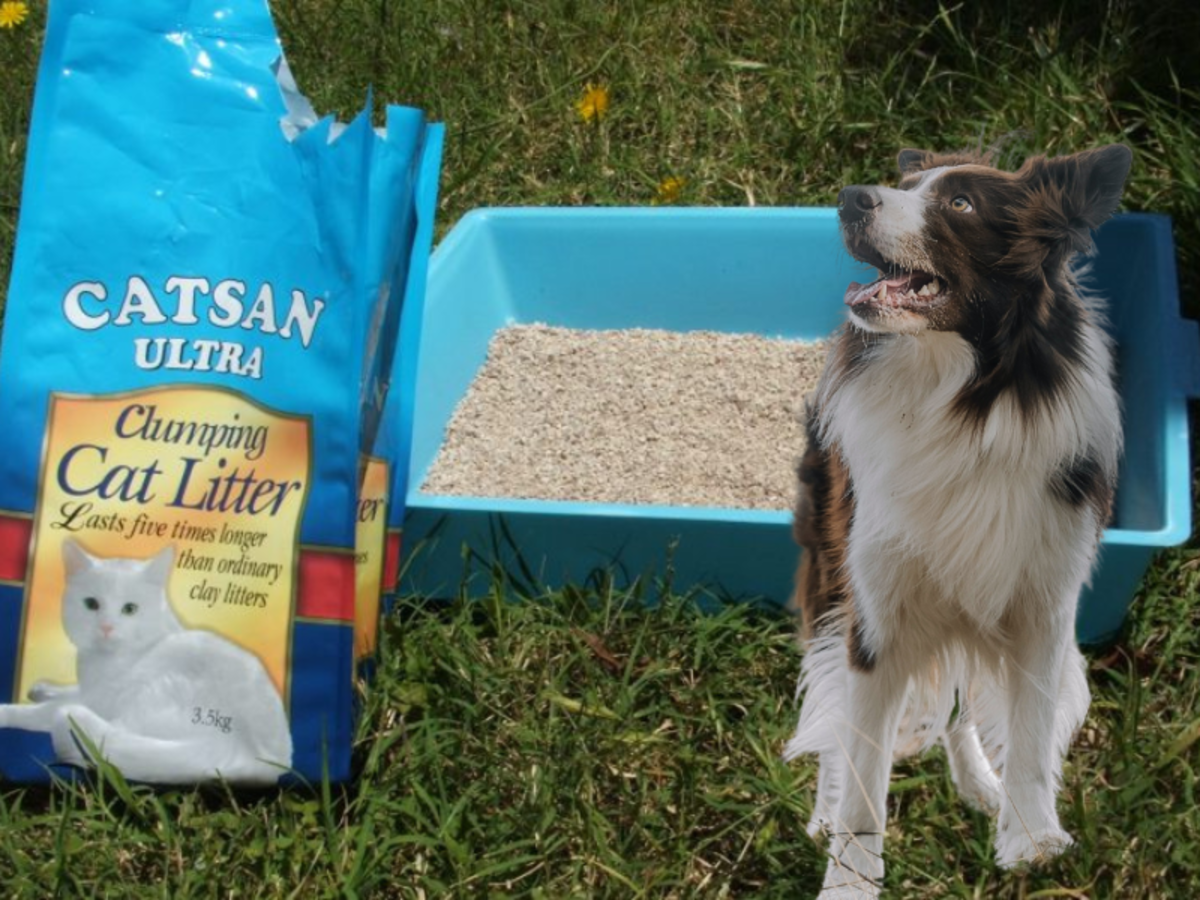
Choose a box large enough for your dog to step into, turn around, and feel at ease. This XXXL litter box (designed for households with more than one cat) is ideal. Tiny breeds might fit into a regular cat box, but most dogs prefer something roomier with low sides or a gentle ramp.
Natural Litter
Dogs tend to respond well to natural textures. Examples include:
You want to try to avoid clumping or scented options, though. These can irritate paws or cause problems if your dog samples the litter out of curiosity.
Find a Quiet, Easy-to-Access Spot
It helps to place the box in a quiet corner where your dog already enjoys spending time. A peaceful environment reduces distractions and encourages consistent use. Keeping it away from food dishes and sleeping areas would also feel a lot more natural for your dog.
How to Litter Train Your Dog Indoors
Once your setup is ready, the training itself is straightforward. To teach a dog to use a litter box, simply build positive associations, reward correct choices, and stay encouraging.
Step 1: Introduce Your Dog to the Litter Box
Start slowly. Let your dog sniff around the box and explore without any pressure. A simple and easy-to-remember cue word, such as “box,” can help them begin connecting the space with its purpose.
You can make the area more appealing by:
- placing a small piece of a used pee pad inside
- tossing a couple of treats near the edge
- praising your dog for any interest they show
These tiny steps create confidence and reduce hesitation.
Step 2: Reward Them for Using the Litter Box
Whenever your dog uses the box correctly, respond with warmth and enthusiasm. A little praise, a soft “good job,” or a small treat reinforces exactly what they did right.
If your dog starts to go elsewhere, gently guide them toward the box and clean up the mess promptly. Enzymatic cleaners work well for removing lingering scents. Keeping the tone positive is important. Punishment only creates confusion and slows progress.
Step 3: Repeat Until It Becomes Routine
With each successful trip, your dog gains understanding. Helping them visit the box:
- after meals
- after naps
- when playtime ends
- before bedtime
…can make the routine much clearer. As your dog becomes more reliable, you can gradually offer more freedom around the house.
Pros and Cons of Litter Box Training a Dog
Like most training methods, litter box use has both advantages and things to keep in mind.
Pros
- offers flexibility on busy days
- helps avoid weather-related stress
- supports dogs with limited mobility
- keeps the home cleaner
- reduces outdoor “emergency” situations
Cons
- Not every dog adapts easily
- Boxes need daily cleaning
- Training requires patience
- Indoor space is smaller than outdoor fields
Even after your dog masters the setup, outdoor walks remain essential for exercise and enrichment.

What If You Have a Cat Too?
Sharing is not always a cat’s strongest skill, especially when it comes to bathroom space. Plus, cats are territorial, and most prefer to keep their litter box private.
You can take steps to make this easier by:
- placing boxes in separate rooms
- using baby gates or cat-only access points
- choosing a top-entry cat box
- elevating your cat’s box if your dog can’t reach it
Providing each pet with their own spot prevents tension and keeps everyone comfortable.

How to Keep the Litter Box Sanitary
A clean box helps your dog feel confident using it. It also keeps your home smelling fresh. Aim to:
- Scoop waste often
- Replace litter as needed
- Wash the tray weekly with mild soap or diluted vinegar
- Use baking soda or a pet-safe deodorizer if odors linger
Freshness makes a big difference in long-term success!
Final Thoughts
Teaching your dog to use a litter box can be a wonderful tool for managing busy days, harsh weather, or mobility challenges. With gentle encouragement and consistent positive reinforcement, many dogs actually learn the routine faster than you might expect. And while outdoor adventures remain part of a healthy lifestyle, this simple indoor option gives you both a little more comfort and flexibility.
Frequently Asked Questions
Can any dog learn to use a litter box?
Most small and some medium breeds learn easily, though very large dogs may struggle with space.
Does teaching a dog to use a litter box replace outdoor walks?
Not at all. Dogs still need outdoor time for exercise, stimulation, and enrichment.
How long does training take?
Anywhere from a couple of days to a few weeks, depending on your dog’s age and personality.
Is it sanitary?
Yes, especially when natural litter is used and the box is cleaned regularly.
Will my cat share the box?
Most cats prefer their own space. It’s best to give each pet its own bathroom area.
Sources and Further Reading
- Daily Puppy: Teaching a Small Dog to Use a Cat Litter Pan
- Pedigree: How to Litter Box Train Your Small Dog