Why Does My Dog Flinch When Touched?
We often see commercials and videos with dogs that will go at just about anyone to meet them, greet them, and let them pet the dog. But in reality, that doesn’t happen. Not every dog is a people person. What does that mean? Well, I often like to say that not every dog is a Golden Retriever. Goldens love to engage with everyone, they allow people and kids to touch them at just about any place, and will tolerate grabbing and everything in between. Well, most other dogs will not. A dog flinches when touched because they need safety, choice, and slow, trust-building steps that let them control when contact happens.
Training Milo: My Story
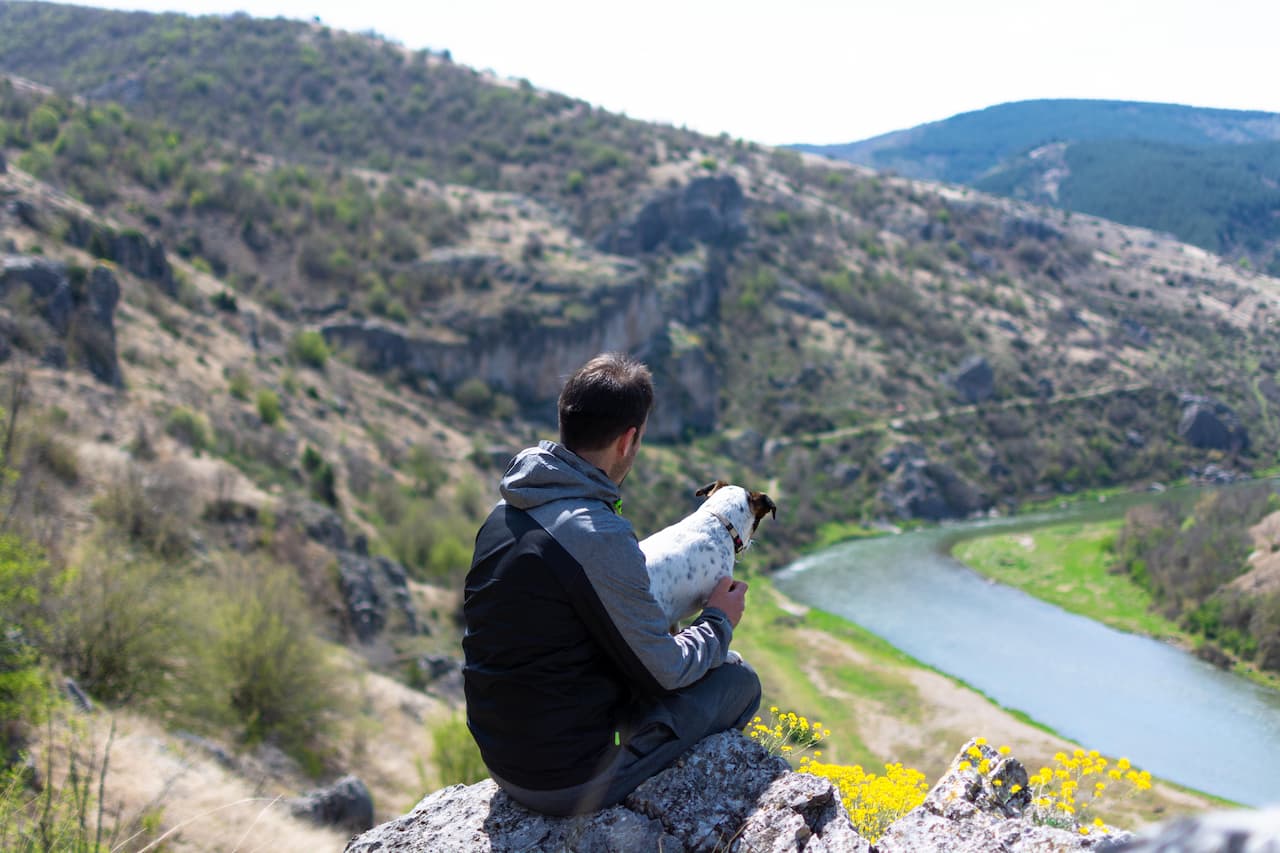
I own a Jack Russell Terrier. For those of you who do not know, terriers are not exactly known as cuddly dogs. Most of them were bred for hunting and chasing. They are loyal, but they are not dogs that will go from one person to another and put their butt up for petting.
I knew that when I got Milo, so I worked on it. I wanted him to understand that there will be people who want to touch him. But I do not allow just about anyone to go and touch him at any given moment. What I do is have him sit, and then slowly begin interaction. We worked on this initially at home, with me and other close friends. And today, I will talk about how you can train your dog to allow touches from other people. But most importantly, we are going to talk about how to train your dog at his own pace.

What “At Your Dog’s Pace” Actually Means
New dog owners hear this phrase constantly, but watching it unfold in real time tells a different story. With a new puppy, the first goal is simple: invite them into your space and help them feel safe enough to choose connection. That’s it. No brushes, no clippers, no agenda beyond letting her decide when and how contact happened.
Beginning With Simple Steps
What I recommend is starting with simple steps. For example, start with your dog climbing onto your lap for treats. There is no pressure, expectations, or anything more. Once your dog is comfortable climbing onto your lap, you can move on to the next step. And that is gently placing your arm or hand in different positions, and inviting your dog to connect. Here is the important part: Your dog decides when contact happens. Reward every small contact with a yes and a treat. That is a tiny victory.
This approach challenges the impulse many new owners feel to fix problems quickly. Your dog pulls on the leash, so you buy a new harness. Your dog barks at strangers, so you expose them to more people. But behavioral issues rooted in fear or uncertainty don’t respond to speed. They respond to predictability and choice.
Start Where Your Dog Actually Is
Most training advice assumes your dog is ready for the next step. But what if they’re not ready for step one?
For example, you just rescued a puppy from the shelter. You cannot assume whether the dog is comfortable with touch just because other dogs typically are. You have to meet your new dog where they stand and feel comfortable: wary, uncertain, and needing control over what happens to their body.
Creating Low-Pressure Interactions
This means creating situations where your dog can opt in. Place yourself in a room and let your dog approach you rather than reaching for them. Sit on the floor with treats and wait. Hold a toy loosely and see if they take it. These moments teach your dog that engagement is their choice, not something imposed on them.
The shift happens when your dog realizes they have agency. Once they understand that they can leave anytime, they stop needing to. Once they learn that you will not grab them, they will start leaning in.
Break Big Goals Into Steps You Can Barely See
If you embrace this approach, I promise you that any dog will accept touches all over their body. They will progress from a soft brush to a puppy brush. And you can begin desensitization to clippers next.
But this progress will take months. Introduce each tool after only the previous one becomes boring. You cannot move from a makeup brush to a puppy brush just because you think your pet is ready. You can move once your dog stops noticing the makeup brush is there.
Why Small Steps Matter
New dog owners often underestimate how small these steps need to be. If your dog freezes when you reach for their collar, the next step isn’t putting on a leash. It’s letting them sniff your hand near the collar. Then, touching the collar without holding it. Then holding it for one second. Then two.
This feels painfully slow when you’re living it. You want to see progress. You want proof that the time you’re investing matters. But dogs don’t measure progress the way we do. A dog who used to flinch and now holds still has made enormous progress, even if it looks like nothing changed.
Consistency Builds Confidence Better Than Breakthroughs
Dogs learn through repetition, but not the kind we usually think of. It’s not about drilling commands. It’s about repeating the experience of safety until your dog’s nervous system believes it.
When you show up the same way every time, your dog stops bracing for the worst. They stop scanning for threats. They start to relax. That relaxation is where learning happens.
Showing Up the Same Way Every Time
This doesn’t mean you repeat the exact same exercise forever. It means you repeat the same energy, the same respect for their boundaries, the same willingness to let them set the pace. Let your dog know that every time they come to see you, they won’t be forced. That knowledge allows your dog to take risks they wouldn’t have taken otherwise.
Why This Approach Matters
This approach works for every behavior you want to teach or eliminate. Vet visits. Nail trims. Meeting new people. Walking past other dogs. Any situation where your dog feels uncertain or afraid.
If your dog lunges at other dogs on walks, the goal isn’t to stop the lunging tomorrow. The goal is to help your dog feel safe enough in the presence of other dogs that lunging stops being necessary. That might mean starting at a distance where your dog notices other dogs but doesn’t react. It might mean dozens of walks where nothing dramatic happens, but your dog’s threshold slowly expands.
Building Trust Across Different Situations
If your dog hides during thunderstorms, the goal isn’t to make them love storms. It’s to build enough trust that they come to you for comfort instead of isolating. That might mean sitting quietly near their hiding spot with treats, not coaxing them out but letting them know you’re there.
The foundation of all behavioral progress is trust. Your dog has to believe you won’t put them in situations they can’t handle. They have to believe you’ll listen when they say no. They have to believe that being near you is safer than being alone.
How to Begin Your Story
Start with one interaction where you remove all pressure. If your dog is hand-shy, sit with treats and let them approach your open palm. Don’t reach. Don’t grab. Just wait. If they take a treat, great. If they don’t, that’s fine too. You’re planting a seed, not harvesting a crop.
Practical First Steps
If your dog struggles with grooming, sit near them with a brush visible but don’t use it. Let them sniff it. Reward them for looking at it. Tomorrow, touch the brush to their side for one second. The day after, two seconds. You’re building positive associations one breath at a time.
If your dog panics at the vet, ask your vet if you can bring your dog in for happy visits where nothing happens. Walk in, give treats, walk out. Do this until your dog pulls you toward the door instead of away from it.
Some things cannot be rushed. Some things shouldn’t be. Your dog’s trust is one of them.