This three-step routine shows how exercise, vet-approved meds, and focused play can make dogs and new years eve far less scary for everyone.
When Dogs and New Year’s Eve Become a Problem
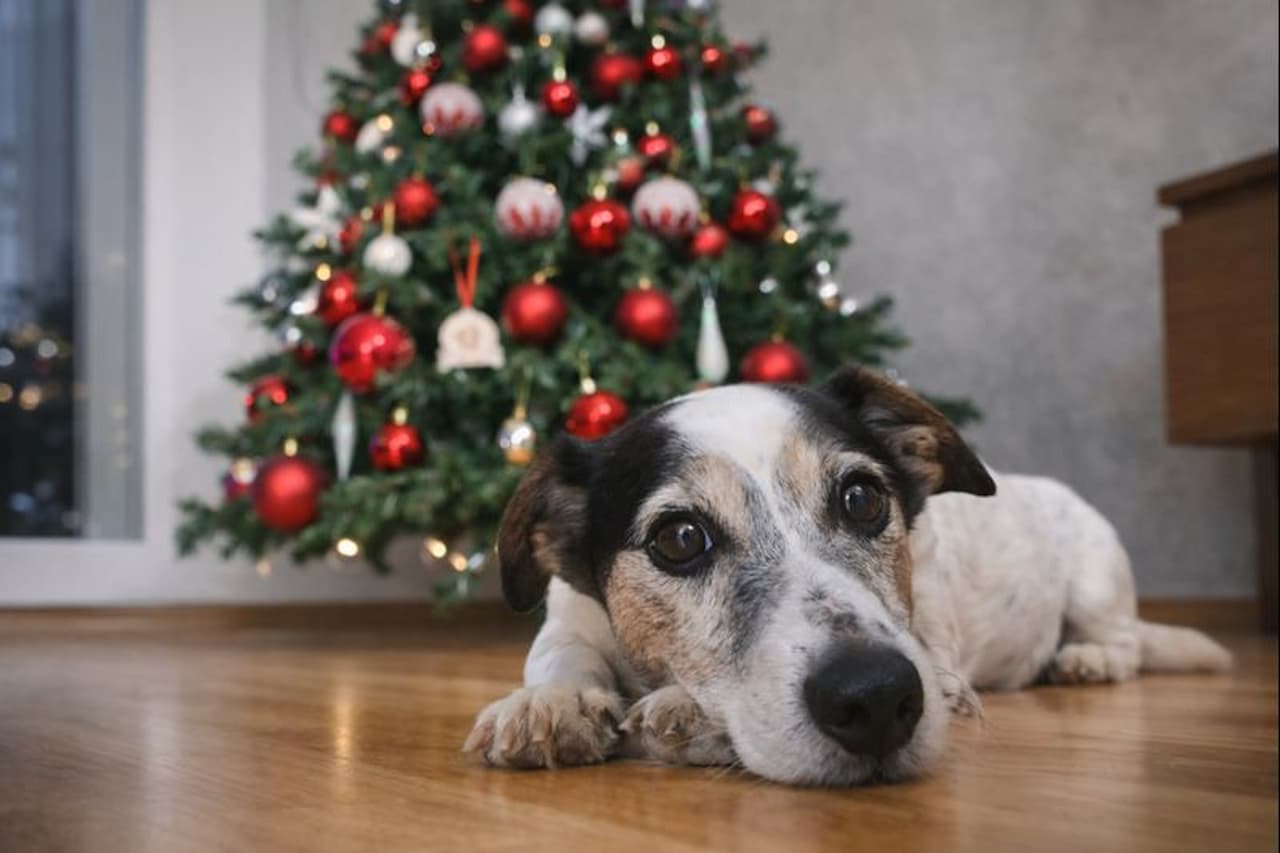
My Jack Russell used to shake for hours on New Year’s Eve. He’d hide under the bed, pant so hard I worried about dehydration, and refuse to eat until noon the next day. The fireworks in my neighborhood start around 11:30 pm and don’t stop until after 12:30 am. That’s 60 minutes of sustained terror for a dog who already treats the doorbell like an invasion. During his first year and a half, he wasn’t reacting or responding to New Year’s Eve celebrations.
Yet, the moment he started, it never changed. Until I decided that he shouldn’t “survive”, but be calm and enjoy the time.
I tried different approaches, trying to help him with the panic and the anxiety of fireworks. Leaving the TV on didn’t work. Staying home with him helped, but not enough. Closing all the curtains made no difference. Then four years ago, I developed a three-step ritual that actually works. My dog still doesn’t love New Year’s Eve, but he manages to get through it without the full-blown panic response. And he is now eight years old, entering his senior years. But I believe this plan will work for the foreseeable future.
Of course, you can always travel for New Year’s Eve to a remote villa where there are no sounds. That is always an option. But if you are staying home, I have a three-step plan that works.

Step One: Exhaust Him Completely
I walk my dog between 2 pm and 4 pm on December 31st. Not a normal walk. An exhausting walk. We’re out for at least two hours.
We start with a regular walk to warm up, then I take him to areas where he can run. Off-leash dog parks work best because he can sprint, play with other dogs, and burn serious energy. If the park is too crowded or he’s not interested in playing with others, I bring a ball and we do fetch until he starts slowing down. The good news for Milo and me is that there are a few hiking options a short drive from out home.
I also build in mental stimulation during this walk. We take different routes so he has new smells to investigate. I let him sniff as long as he wants at fire hydrants, trees, and corners. Sniffing exhausts dogs mentally in ways running doesn’t. A tired dog has less energy for panic.
By the time we get home around 5 pm, he’s noticeably calmer. He drinks water, eats dinner, and usually naps for an hour or two. This pre-exhaustion cuts his anxiety response roughly in half before the fireworks even start.
The exercise works because it depletes the energy dogs would otherwise channel into pacing, panting, and barking.
For owners struggling with dogs and New Year’s Eve anxiety, this kind of physical exhaustion can make a real difference.

Step Two: Give Him Vet-Approved Calming Medication
Around 6pm or 7pm, after he has rested from the walk, I give him calming medication prescribed by our vet. I don’t wait until the fireworks start. The medication needs time to take effect.
My vet prescribed trazodone, which takes effect within one to two hours. Sileo is another FDA-approved option that works faster, within 30 to 60 minutes, and comes as a gel you apply to the dog’s gums. Both medications reduce anxiety without heavy sedation, meaning my dog stays aware but calmer.
Some dogs respond better to gabapentin, which veterinarians also use for anxiety and pain management. It also takes effect within one to two hours. The key is getting the timing right so the medication reaches peak effectiveness right when the fireworks start.
And of course, the trick is to test the medication weeks before New Year’s Eve, on a normal day with no stressors, to make sure my dog didn’t have adverse reactions.
Over-the-counter options exist but work differently. Supplements containing L-theanine, valerian root, or chamomile promote relaxation, but they’re less effective for severe anxiety.
The important thing to remember is this: The medication doesn’t eliminate your dog’s fear. It just reduces the intensity enough that he can cope. Instead of hiding and shaking for two hours, he’s restless but manageable.
For many people dealing with dogs and New Year’s Eve stress, that reduction in intensity is often enough to change the entire night.

Step Three: Play Intensely During the Critical Window
From 11:50pm to 12:15am, I bring out his favorite toys and play with him actively. This 25-minute window covers the loudest, most sustained fireworks in my area.
Using High-Value Toys
I use toys he loves, his absolute favorites that he doesn’t get access to regularly. For my Jack Russell, that’s a big ball or squeaky toys. If I go for a big ball, I actively play with him. Even if I go with a squeaky toy, I don’t just give him the toy. No, I wrap it in an old sock, so that he doesn’t get it instantly. Then, I actively play tug with him, trying to keep him away from destroying the squeaker as long as possible. You can also try a Kong wobbler, making him work for treats. It is another way to provide mental stimulation and distraction.
Sometimes, we play fetch in the hallway. Back and forth, over and over. When he starts to slow down, I switch to another toy or treats.
For families navigating dogs and New Year’s Eve at home, this kind of active engagement helps keep fear from taking over.
Why Active Play Helps
The goal isn’t to pretend the fireworks don’t exist. It’s to give him something more engaging than fear. When he’s focused on chasing the ball or pulling the rope, he’s not processing the noise as intensely. The physical activity also burns off the adrenaline his body produces in response to the sounds.
Puzzle toys work well for dogs who prefer food motivation over play. A frozen Kong stuffed with peanut butter and treats can keep a dog occupied for 20 minutes. Lick mats spread with something spreadable release endorphins that naturally calm dogs. Snuffle mats filled with kibble or treats engage the sniffing instinct, which also has calming effects. But the challenge with puzzle toys is that your dog plays with them alone. He might ditch them the moment fireworks start. When you actively play with him, he is focused on both you and the toy, and that keeps him away from the scary noises.
Staying With Your Dog
Stay with your dog. Your presence matters. Fear is an emotion, not a behavior. You can’t reinforce an emotion. My calm presence provides security. If I stay relaxed, he picks up on that and manages his stress better.
By 12:15 am, the intensity of the fireworks lowers. We play for a few more minutes, gradually reducing the intensity. By 12:30am, the worst is over. He’s tired from playing, the medication is still working, and he’s less reactive to the occasional late firecracker.
Why This Combination Works
On New Year’s Eve, I clear my schedule. This isn’t a night for parties or going out. My dog needs me home. And my wife and everyone else understand it.
Each step of this ritual addresses a different aspect of fear and anxiety.
The exercise depletes his baseline energy. A physically tired dog simply has less capacity for prolonged panic. The mental stimulation from sniffing and exploring also tires his brain, reducing hypervigilance.
The medication dampens his fear response at the neurological level. The loud booms still register, but his brain doesn’t interpret them as life-threatening. This pharmaceutical support makes the other strategies effective.
The play provides immediate distraction during the worst moments. It gives him something to focus on besides the noise. The toys are novel enough (because he doesn’t get them regularly) that they capture his attention even when stressed.
My presence throughout ties it together. Dogs are social animals who look to their pack for cues about safety. When I remain calm and engaged with him, I’m communicating that we’re safe despite the chaos outside.
Challenges You Might Face
This is not a bulletproof strategy. Sometimes, unexpected fireworks can happen before 11:30pm and catch us off guard. Some neighbors start early. If I haven’t started the play session yet, he has a brief panic spike before I can redirect him.
The window between midnight and 12:30am sometimes extends longer. When fireworks continue past 12:30am, he starts losing focus on the toys and becomes more reactive again. The medication is still working, but his willingness to play decreases.
If I don’t walk him long enough, the entire ritual falls apart. I would say 90 minutes is the bare minimum. Of course, dogs that are not as active can do with less. Think French Bulldogs.
This ritual works for my specific dog and my specific neighborhood’s firework patterns. If your area has sporadic fireworks all evening rather than one concentrated period, you’ll need to adjust the timing. If your dog has severe noise phobia that doesn’t respond to these interventions, you may need stronger medication or a veterinary behaviorist’s help.
Common Mistakes To Avoid
- Don’t give medication too late. If you wait until the fireworks start, the medication won’t have time to take effect. Most anti-anxiety medications need 60-90 minutes to kick off.
- Don’t skip the exercise because it’s cold or you’re busy. The physical exhaustion is foundational. Without it, medication and distraction alone don’t work as well.
- Don’t use toys that your dog can access anytime. The play session works because the toys are special. If he plays with the same ball every day, it won’t be interesting enough to distract from fireworks.
- Don’t leave your dog alone. The ritual requires your presence. If you must go out, this approach won’t work. Find a trusted friend or family member to execute the plan with your dog.
- Don’t try this ritual for the first time on New Year’s Eve. Test the medication ahead of time. Practice the intense play session on a normal evening. Make sure your dog actually enjoys the toys you’ve selected. Trial runs reveal problems while you still have time to adjust.
The Relief Of Having A Plan
The difference between watching your dog suffer through New Year’s Eve and having a plan that actually helps is enormous. I used to dread December 31st. Now I approach it with confidence because I know what works.
My dog still doesn’t enjoy fireworks. He never will. But he no longer spends hours in terror. He gets through the night tired, slightly stressed, but fundamentally okay. By New Year’s Day morning, he’s eating normally, playing with his regular toys, and showing no lasting effects.
If your dog struggles with fireworks, start planning now. Build up your dog’s exercise tolerance if they’re not used to long walks. Buy new toys and hide them until New Year’s Eve.
This three-step routine proves that with planning, exercise, vet-approved meds, and play, dogs and New Year’s Eve don’t have to be a nightmare. The ritual takes planning, time, and commitment. But watching your dog sleep peacefully on January 1st instead of cowering and shaking makes every bit of effort worth it.