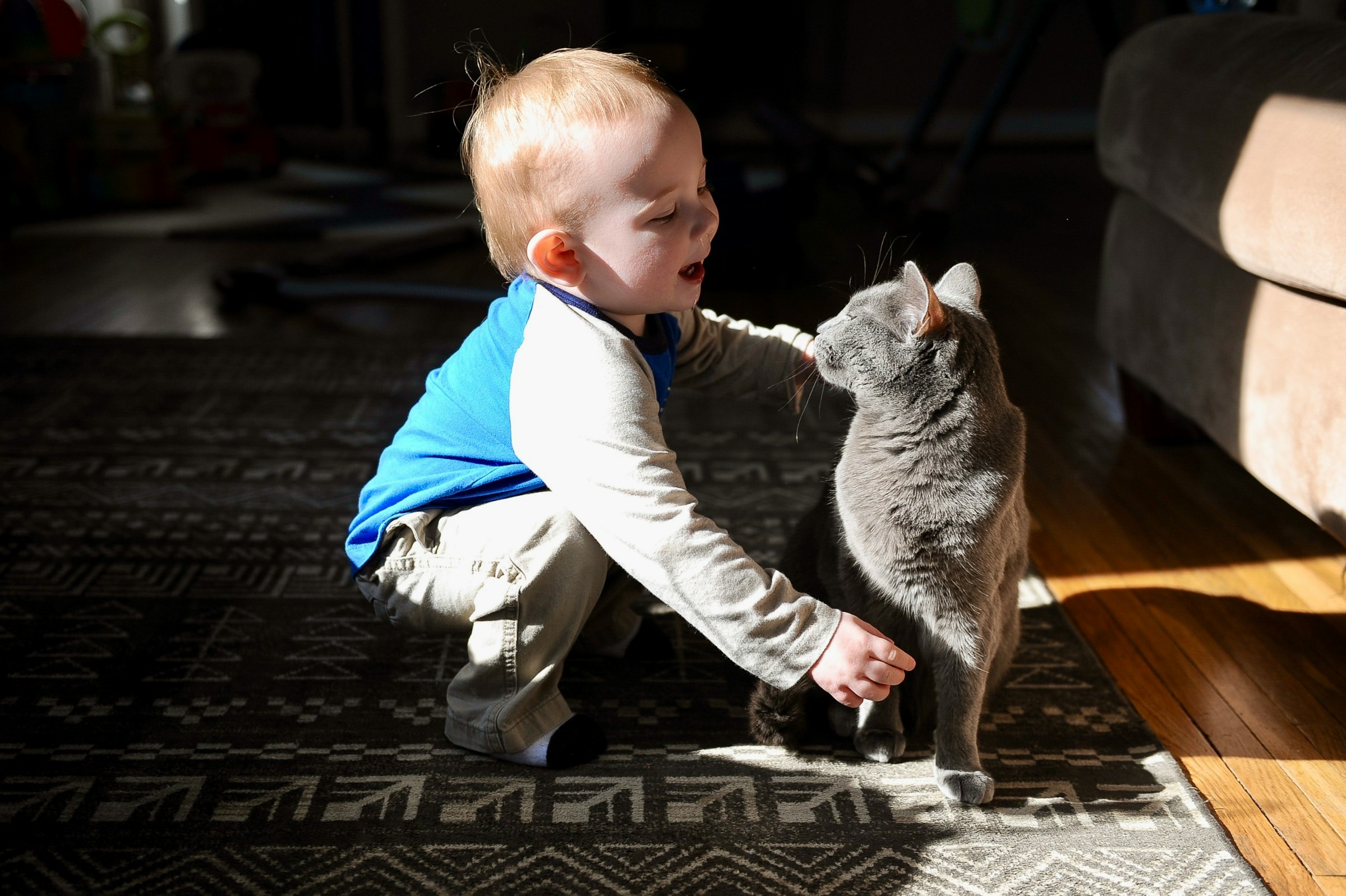
Separation anxiety in dogs is a common issue that can cause a lot of stress for both the dog and their owner. Dogs who suffer from separation anxiety react with behaviors like excessive barking, destruction, and even self-harm. But there is hope for these canine friends. Music has been found to be a powerful tool in helping to ease separation anxiety in dogs.
What Is Separation Anxiety?
Separation anxiety in dogs is a condition in which a dog experiences distress and behavioral problems when separated from their owner or primary caregiver. It is a common behavioral problem seen in dogs.
Symptoms of separation anxiety include:
- excessive barking
- whining
- howling
- destructive behavior
- self-harm (such as biting or licking their skin)
We usually see it in dogs that have been recently adopted, rescued, or undergone a change in their living situation. For example, moving to a new home, the death or absence of an owner or family member. It can also happen when there are changes in daily routine. It’s very common when owners leave their dogs to go to work.

How Can Music Help?
Several scientific studies investigated the effects of music on dogs. These studies found that certain types of music can have a calming effect on dogs. And, they can help to reduce stress and promote relaxation.
For example, one study found that classical music played at a moderate volume had a calming effect on kenneled dogs. This study found that the dogs exposed to classical music had a significant decrease in heart rate. And, they found an increase in resting behavior.
Another study found that reggae music reduced anxiety in shelter dogs. The study found that the dogs exposed to reggae music had a significant decrease in barking and other vocalizations. This was compared to dogs that did not have music exposure.
These studies, along with other research, suggest that music can be a useful tool. It can help to ease separation anxiety in dogs and promote relaxation. The reason behind this is that music can help to distract the dogs from the anxiety-provoking stimuli. And also by releasing endorphins, the “feel-good” hormones, which will help to reduce the stress and anxiety in dogs.
What Is the Best Music for Dogs With Anxiety?
Some of the most commonly recommended types of music for dogs with anxiety are:
- Classical music: Studies have shown that classical music played at a moderate volume can have a calming effect on dogs. The slow and soothing tempo of classical music can help to relax the dog and reduce their stress levels.
- Reggae music: Another study found that reggae music reduced anxiety in shelter dogs. The study found that the dogs exposed to reggae music had a significant decrease in barking and other vocalizations.
- Baroque music: Baroque music which is characterized by its slow and soothing melody, and with a tempo of 60 to 80 beats per minute, which is similar to the resting heart rate of dogs.
- Nature sounds: The sound of a running stream, birds singing, or the sound of the ocean can also be very soothing to dogs. It can also help to reduce their anxiety.
It’s best to try out various genres of music to see which one your dog responds to the most. It’s also crucial to keep in mind that the music should be played at a moderate volume. You don’t want to play it too loudly, as loud music can be stressful for dogs.
What Genres of Music Should I Avoid?
While certain types of music have been found to have a calming effect on dogs, other types of music may have the opposite effect and can be stressful or agitating for them. Some genres of music that pet owners should avoid playing for their dogs include:
- Heavy metal and hard rock: These genres of music have fast tempos and loud, distorted sounds that can be stressful for dogs.
- Electronic music: Electronic music often features repetitive beats and sounds that can be overwhelming for dogs.
- Rap and hip-hop: These genres of music often feature fast tempos and lyrics that can be disturbing for dogs.
- Country music: Some country music can be loud and feature lyrics that can be disturbing for dogs.
These four genres of music are generally not well tolerated in dogs, nor are they recommended to help with separation anxiety. However, each dog is unique, and some may react differently to various types of music. It is always a smart idea to watch the dog to see how they behave and react to any type of music being played.
It would certainly be wise to steer clear of a particular genre of music and try something else if you notice that your dog becomes agitated, stressed, or anxious when such music is played.
How to Use Music to Ease Separation Anxiety
Here are some steps a pet owner can try to use music to help ease their dog’s separation anxiety:
- Select the right type of music: Pick a genre that research shows to have a calming effect on dogs, such as classical and reggae music. Experiment with different genres to see which type of music your dog prefers.
- Incorporate music into their daily routine: Play the selected music while you are at home and gradually increase the length of time the music is played while you’re away. This can help your dog associate the music with a positive experience and reduce their anxiety when you’re not home.
- Gradually increase the duration of separation: Start by leaving your dog alone for short periods of time while the music is playing and gradually increase the duration over time. This can help your dog get used to being alone and reduce their anxiety.
- Consistency is key: Try to play the music at the same time every day and for the same duration. This will help your dog learn to associate the music with a positive experience and reduce their anxiety.
- Evaluate and adjust as needed: Keep track of your dog’s behavior and adjust the type of music, duration, and timing as needed. Since each dog is unique, what works for one dog might not be effective for another.
- Consult a professional: If you have tried different techniques and your dog’s separation anxiety persists, it’s best to consult a professional such as a veterinarian or a certified animal behaviorist for guidance. They will help you figure out if there are any underlying medical conditions or if your dog needs further behavior modification.

Final Thoughts
When it comes to calming dogs’ separation anxiety, music can be a powerful tool. Science has demonstrated that some musical genres, including reggae and classical, can calm dogs. Conversely, other genres like electronic music or hip-hop may have the opposite effect.
To find the music that works best for your dog, try out a few different genres since every dog is different and what works for one dog might not work for another. Additionally, a dog’s daily routine can be made more relaxing and stress-free by including music that is played at a low volume.
If the anxiety persists, it’s best to seek advice from a specialist, such as a veterinarian or a licensed animal behaviorist. Keep in mind that the main objective is to provide your dog with a relaxing, tranquil, and peaceful environment.
Sources and Further Reading
- Does Music Soothe Dog Anxiety? | PetMD
What’s considered calming music for dogs? Dr. Catherine Rowan-Collier explains what genres of music help dogs relax and gives tips on when to play it for your dog. - How to Use Music to Calm Your Anxious Dog
Playing music can help your dog feel less anxious, and calm dogs with separation, travel, or noise anxiety. Read about what kind of music works best. - Calming Music for Dogs – Does it Work? | East Valley Animal Hospital
You may have seen some of the popular videos and channels on YouTube that offer calming music for dogs. But does music actually calm dogs?