Although we do our best to watch over our dogs, accidents sometimes happen, and they may sustain injuries. If your pup has suffered a wound, first things first—don’t panic, because we are here to help. Learning how to heal a dog wound fast means assessing the injury, cleaning and disinfecting it, applying medication, bandaging, and allowing rest. Following these steps will help get your pet on a speedy road to recovery.
Assessing Your Dog’s Injury
When dealing with an open injury, the top priority is assessing the extent of the damage before taking care of it. Although you want to learn how to heal a dog wound fast, you also want to make sure it’s cared for properly.
- Start by examining the injury site and its location to determine its severity and depth
- Wash away dirt and debris with clean water for a clearer view
- If the wound is still bleeding, apply gentle pressure to the area with a clean cloth or gauze pad to slow the blood flow
- If the bleeding is heavy or doesn’t stop after a minute or two, call your vet for further advice
- Watch your dog’s behavior. Signs of distress, constant licking, or scratching at the wound may suggest that your pet is in pain or discomfort and needs reassurance

Identifying the Wound
Understanding the type of injury you’re dealing with is valuable because abrasions, lacerations, and puncture wounds require different treatments.
- Abrasions are the most common type of injury and usually involve minor scratches that affect only the top layer of the skin. These can result from various causes, from rough play to running through bushes.
- Lacerations are deeper gashes that often require stitches at a veterinary clinic. Sharp objects like broken glass or metal usually cause them.
- Puncture wounds, also caused by sharp objects, usually pierce the skin. Examples might include a nail or a bite from another animal. Caring for these wounds yourself at home can be tricky, as they often have debris and bacteria deep in the injury, and these can lead to infection. Depending on the severity, you should get your vet to take a look.
Important! While not all injuries require medical attention, it’s always best to exercise caution and call your vet when in doubt.
Cleaning the Wound
Once you’ve assessed the injury site (and determined it’s a minor accident you can handle at home), the next step is to flush the area with a wound cleanser.
- Begin by washing your hands with soap and water to avoid introducing bacteria to the site
- Use a soft, damp cloth to gently remove excess blood or fur from the wound
- Flush the wound with Vetericyn Plus Dog Wound Care Spray. Liberally flushing this formula over the injury site will wash away any dirt, debris, or bacteria that could lead to infection down the line
- If you don’t have a wound cleanser, make a quick saline solution by mixing a teaspoon of salt with a cup of boiled water and setting it in a bowl of cold water and ice for a couple of minutes to cool (1). A saline solution will help to rinse the wound and remove any dirt, bacteria, or debris that could cause infection. However, it may not be as effective as a store-bought product that contains antimicrobial agents
- Carefully remove any easily visible foreign objects using a clean pair of tweezers, taking care not to cause further harm. Using a magnifying glass can assist you in identifying smaller fragments of dirt or foreign particles that may go unnoticed otherwise
- Gently blot the injury site dry with a fresh towel
Although you want to know how to heal a dog wound fast, keeping your pet calm during cleaning is a top priority to avoid further stress or pain. You can achieve this by speaking slowly, softly, and reassuringly.
CRITICAL CAUTION: Please do NOT use hydrogen peroxide on dog wounds. While hydrogen peroxide may seem helpful because it bubbles, it actually damages healthy tissue and delays healing (2). Hydrogen peroxide kills fibroblasts, the cells responsible for proper wound healing, and this leads to longer recovery times and possible complications. Veterinarians strongly advise against using hydrogen peroxide for wound care in dogs (3).
Also, you want to avoid cleaning the wound with soap, shampoo, or alcohol because these products can be harsh and may delay healing. Certain substances can also harm your dog’s wound-healing process and may even be toxic to them (4).
Medication Application
Applying proper medication is a key aspect when learning how to heal a dog’s wound fast. When used correctly, suitable creams or sprays prevent infection and accelerate the wound’s healing.
Depending on the size, depth, and cleanliness of the wound, you might consider using either Vetericyn Plus Wound Care Spray or 2% chlorhexidine solution. It’s a good idea to carry both products in your pet’s first aid kit.
Vetericyn Plus Wound Care Spray
Besides flushing and cleaning the wound bed, Vetericyn Plus works as an antimicrobial spray. The safe, non-toxic, and non-irritating formula contains hypochlorous acid, a natural antimicrobial agent that kills bacteria, fungi, and viruses.
Its advanced technology helps to accelerate the natural healing process, resulting in faster recovery times.
- Vetericyn Plus suits more extensive, profound, or dirtier wounds; it is more comfortable, less painful for the dog, and a better choice in sensitive areas
- I use this spray to help quickly heal cuts, abrasions, burns, hot spots, and post-surgical incisions. You can safely apply it three to four times a day. Additionally, it’s safe for your dog to lick and won’t cause any stinging or burning
2% Chlorhexidine Solution
PetMD recommends chlorhexidine as an affordable and effective option that’s readily available. Experts suggest using a 2% concentration diluted with water (1 oz per gallon of clean water) (5), although 4% is also commonly used in veterinary clinics and hospitals for surgical preparation (6).
Important considerations about chlorhexidine:
- Chlorhexidine should NOT be used long-term on healing wounds, as it can impair and delay healing (7)
- It’s excellent for initial wound cleaning, but should be discontinued once healing has begun
- At least a 2% concentration is used to treat infections on a dog’s skin (8)
- Chlorhexidine should not be used in the eyes and must be used very carefully around the eyes and face
- Most chlorhexidine solutions should not be ingested – stop your dog from licking or chewing an area just treated with chlorhexidine for at least 20 to 30 minutes (9)
2% chlorhexidine diluted properly is great for initial wound cleaning of minor, superficial wounds; it is more protective and stable for the injury when used appropriately.
Adding 2% chlorhexidine solution to your pet’s first-aid kit is an excellent move. This product can help you thoroughly cleanse and disinfect wounds during initial cleaning, reducing the risk of infection.
Applying Antibacterial Ointment
In the case of a significant or infected dog wound, you’ll need to seek veterinary attention to ensure the best care. Your vet may prescribe an antibacterial ointment.
Triple antibiotic ointments containing bacitracin, neomycin, and polymyxin B are readily available and can help with wound healing. You want to avoid products containing corticosteroids like hydrocortisone, as they can slow healing.
Please note: Follow your vet’s instructions when applying topical treatments. Get in touch with them for guidance if you need help with how to apply them or how much to use.
Should You Bandage Your Dog’s Wound?
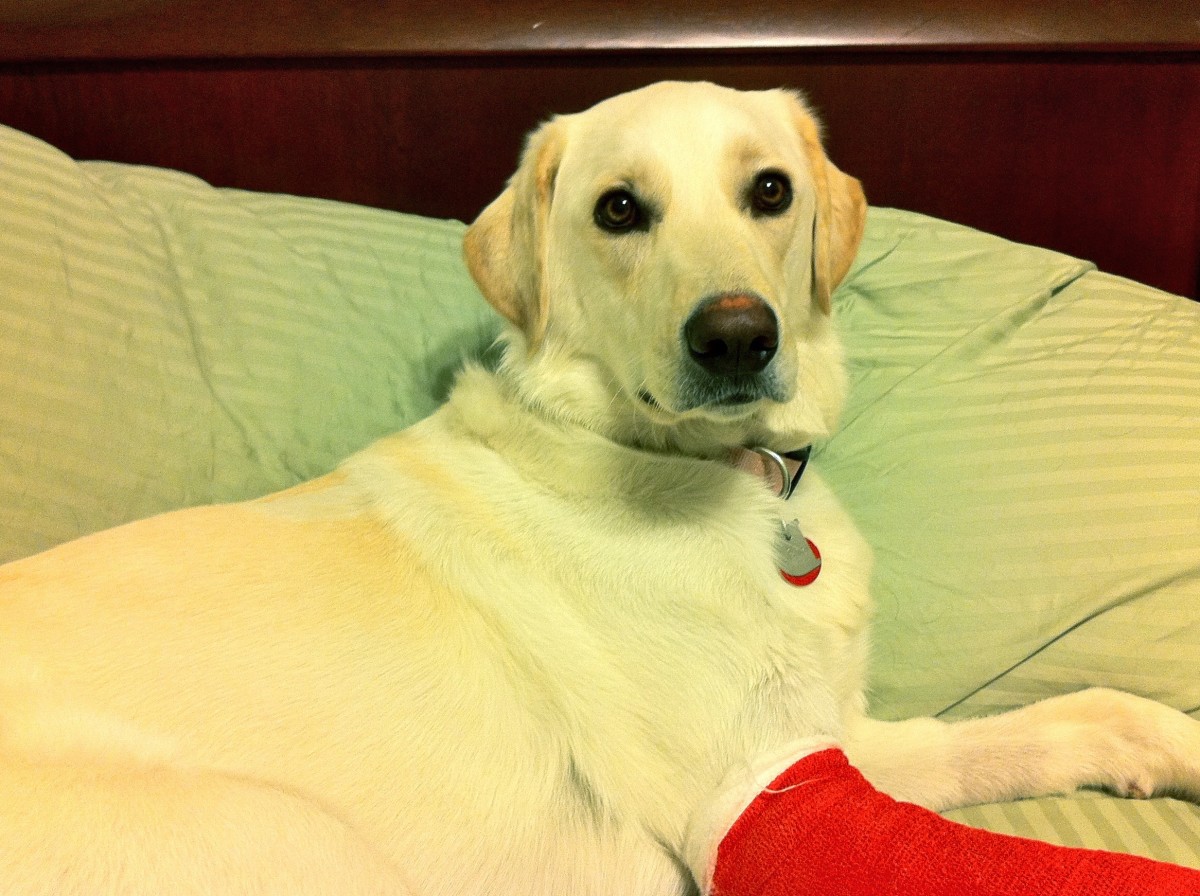
When learning how to heal a dog wound fast, one way to encourage a speedier recovery is by applying a bandage. Veterinarians often recommend doing this after cleaning and using medication to prevent infection.
Depending on the extent of the injury, your vet may need to take care of this process or guide you through it. You can refer to the video and the following steps as a guide.
- Cover the clean, dry injury site with a sterile or non-stick gauze pad. Use medical tape or a cohesive bandage to keep it in place
- Be careful not to wrap the bandage too tightly, because doing that may impede blood flow and lead to additional problems
- It’s also good practice to check the dressing regularly, confirming it is tight enough and stays securely in place
If your pup tends to chew or lick their injuries, you might consider using an Elizabethan collar (a “cone”) to prevent them from removing the bandage. A cone can be uncomfortable, but it can help expedite recovery.
Please make sure to follow the instructions given by your veterinarian regarding changing the dressing on your pet’s wound. Keep an eye out for any warning signs of infection, including redness, swelling, or discharge.
Allow Your Dog to Rest and Recover
Limiting physical activity is key to a speedy healing process for a dog’s wound. For example, a dog with a leg injury would benefit from reduced walking for a while.
However, keeping a pup calm and relaxed during such an ordeal can be challenging. Your vet might suggest techniques like confining them to a quiet room for short periods or using a crate to restrict specific movements.
Preventing Boredom
Engaging your dog in mental stimulation activities is an excellent way to keep your pet calm and distracted. Puzzle toys, treat-dispensing toys, and training sessions focusing on mental exercise can help engage their mind and keep them focused on something other than their injury.
Reducing Anxiety
Vets sometimes prescribe anti-anxiety medication to keep animals calm during their healing process. If so, follow their instructions closely and monitor for adverse effects.
If your pup is typically very energetic and finds rest and recuperation challenging, you might consider using some Adaptil spray to keep them calm during this important stage of recovery.

How to Tell if the Wound Is Infected or Healing
It’s important to closely monitor the injury site if you want to understand how to heal a dog wound fast and thoroughly. Unless quickly addressed, infected wounds can get out of hand, lead to complications, and delay healing.
However, you can avoid most complications if you catch signs of infection in time.
Watch out for:
- Redness
- Swelling
- Heat
- Discharge
- Foul odor
- Excessive licking or chewing at the injury site
If your pup becomes lethargic, has a decreased appetite, or exhibits other signs of illness, it could suggest a more severe problem. In such cases, be sure to contact a vet without hesitation.
On the other hand, a healing injury will typically show signs of improvement after a few days. You will notice less redness and swelling, and a scab will start to form. These signs indicate the wound is healing cleanly and quickly.

Source: Photo by Mikhail Nilov
Being Prepared in Case of a Future Injury
Being prepared for potential pet injuries is paramount for every responsible pet owner. The right supplies and knowledge can make a significant difference in quickly and effectively addressing your dog’s wounds at home.
Besides investing in the topical medication we discussed, it’s important to have a comprehensive and well-organized pet first-aid kit on hand.
This First Aid Kit on Amazon is veterinary-approved and includes all the necessary supplies like bandages, scissors, tweezers, and more. It is all neatly organized in a compact case with an easy-to-read first aid handbook.
Final Thoughts on How to Heal a Dog Wound Fast
Home care can be effective for quickly healing minor dog wounds. Still, it’s important to consult your local vet for more severe injuries or if you have any doubts about the proper care.
With some basic first-aid knowledge, you can stop the bleeding, clean it, apply the appropriate medication, dress it accordingly, and get your pup on a fast road to healing. Make sure that they can access fresh water, feel clean and comfortable, and have nutritious food to support their recovery.
Sources and Further Reading
- Care of Open Wounds in Dogs – VCA Animal Hospitals
- Hydrogen Peroxide for Dogs: Safe Emergency Treatment or Risky Mistake? – Gulf States Veterinary Specialists
- Why You Shouldn’t Use Hydrogen Peroxide on Your Pet – DoveLewis Emergency Animal Hospital
- How to Treat Minor Pet Wounds at Home – Oakland Veterinary Referral Services
- Chlorhexidine Solution for Animal Use – Drugs.com
- Chlorhexidine for Dogs: Uses, Side Effects, Risks – GoodRx
- Daily Topical Application of Chlorhexidine Gluconate to the Skin in Dogs – PMC
- Chlorhexidine for Dogs: Uses, Benefits, and Safety – CareCard
- The Complete Guide to Chlorhexidine Use in Dogs – Noveha