A dog shivering after surgery is pretty common and usually a harmless side effect of anesthesia (the drug that induces unconsciousness and prevents our dogs from feeling pain during surgery). Yet sometimes, shivering can mean there’s pain, discomfort, or anxiety. These are all factors that affect their recovery and well-being. In this article, we’ll discuss why dogs shiver after surgery and offer some valuable aftercare tips to help your pet recover.
The Effects of Anesthesia
Veterinary surgeons need to use general anesthesia for most surgical procedures because it renders the animal unconscious and prevents them from feeling pain. But sometimes, following the procedure, it can take some time for the effects of the anesthetic to wear off.
Dogs recovering from general anesthesia often feel drowsy or a bit “loopy,” with shivering and a brief loss of appetite being unwanted but typical effects. Resting usually helps these symptoms go away in a day or two.
Some dogs shake or tremble after surgery because the anesthesia lowers their body temperature, blood pressure, and heart rate. These factors make it normal to feel weak and chilly when waking up from a lengthy state of unconsciousness.
What Science Says About Dog Shivering After Surgery
Hypothermia during anesthesia is actually extremely common in veterinary patients. Studies show that 83.6% of dogs and 96.7% of cats without active warming develop post-anesthesia hypothermia (1). This temperature drop happens because anesthesia interferes with the body’s normal thermoregulation mechanisms.
Research findings show several factors that influence how much a dog’s temperature drops during surgery:
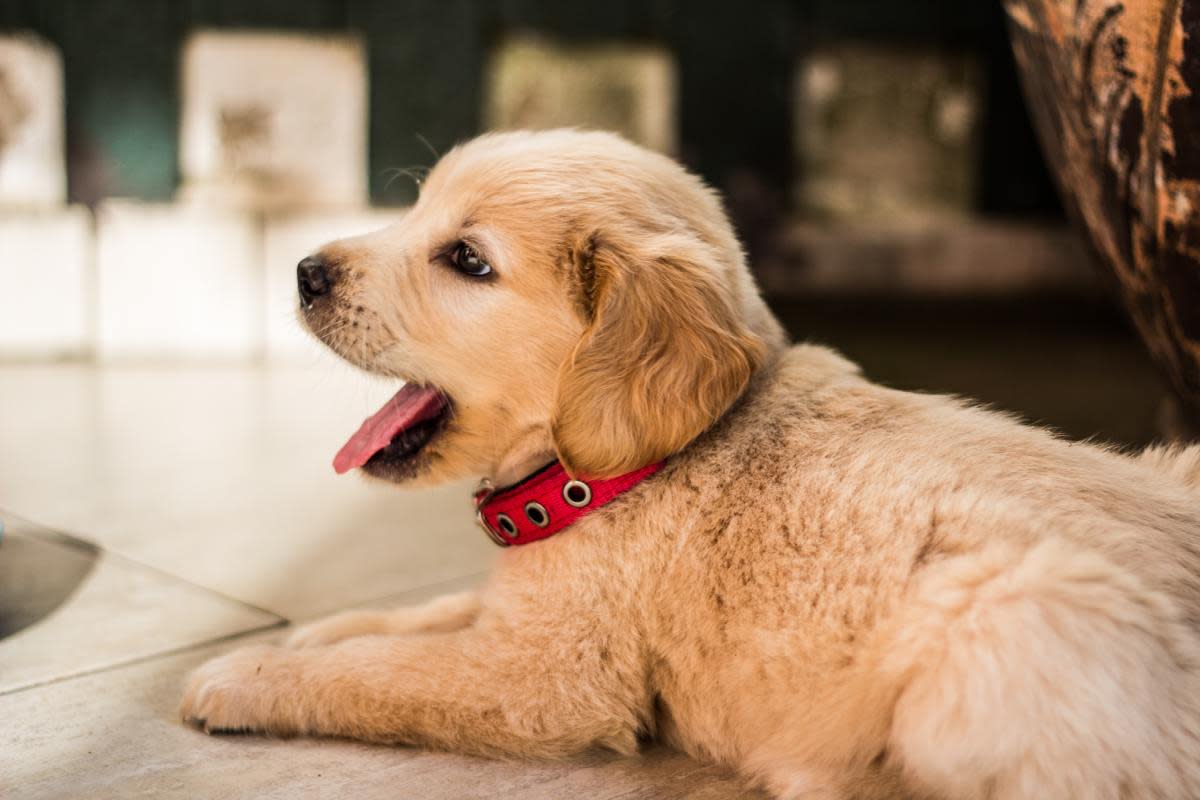
- Body size matters. A decrease in body temperature is more common in smaller dogs than in larger ones. Puppies or smaller breeds lose more heat to their environment because they have a higher surface area-to-volume ratio. Have you ever noticed how your little dog curls up with you to feel more comfortable when it’s cold?
- Coat length provides insulation. Because fur works as an insulator, it traps air and minimizes heat transfer. Consequently, dogs with medium- or long-haired coats can better control their body temperature during anesthesia. On the other hand, those without much hair could require additional blankets or heating pads to stay warm (2).
- Different types and doses of anesthesia affect body temperature. Certain medications can affect blood flow and heat distribution, while others can slow the metabolic rate and produce less heat. Because of this, veterinarians carefully consider which anesthesia protocol is best for each animal, considering factors like age, weight, health, and treatment type (3).
- Extensive surgical procedures may mean a greater body temperature decline. Deeper incisions and longer operating times can result in more significant trauma to the tissues and increased blood loss. To prevent complications, veterinarians must monitor their vital signs and use warming devices during and after surgery (4).
- The air’s temperature and humidity affect heat loss. In cold temperatures, a dog’s body is considerably warmer than its surroundings; this means their body releases heat into the air faster. That’s why giving our pets adequate ventilation and air conditioning in hot and humid climates is important.
During recovery, vets and dog owners have to closely monitor the temperature variations. Understanding why these temperature fluctuations happen can help us gain some valuable insights to help our pets return safely to normal.

Source: Photo by Jamie Street on Unsplash
How to Keep Your Dog Warm and Comfortable After Surgery
Did you know that the act of trembling actually increases muscle activity? This function works similarly to how some insects flutter their wings before flying to raise muscle temperature. So, a dog shivering after surgery is a natural reaction that helps dogs warm up their bodies by producing more muscle heat.
As such, giving a dog warmth and comfort during the recovery phase is a top priority in helping them deal with the effects of anesthesia.
Why You Should Limit Fussing Over Your Dog
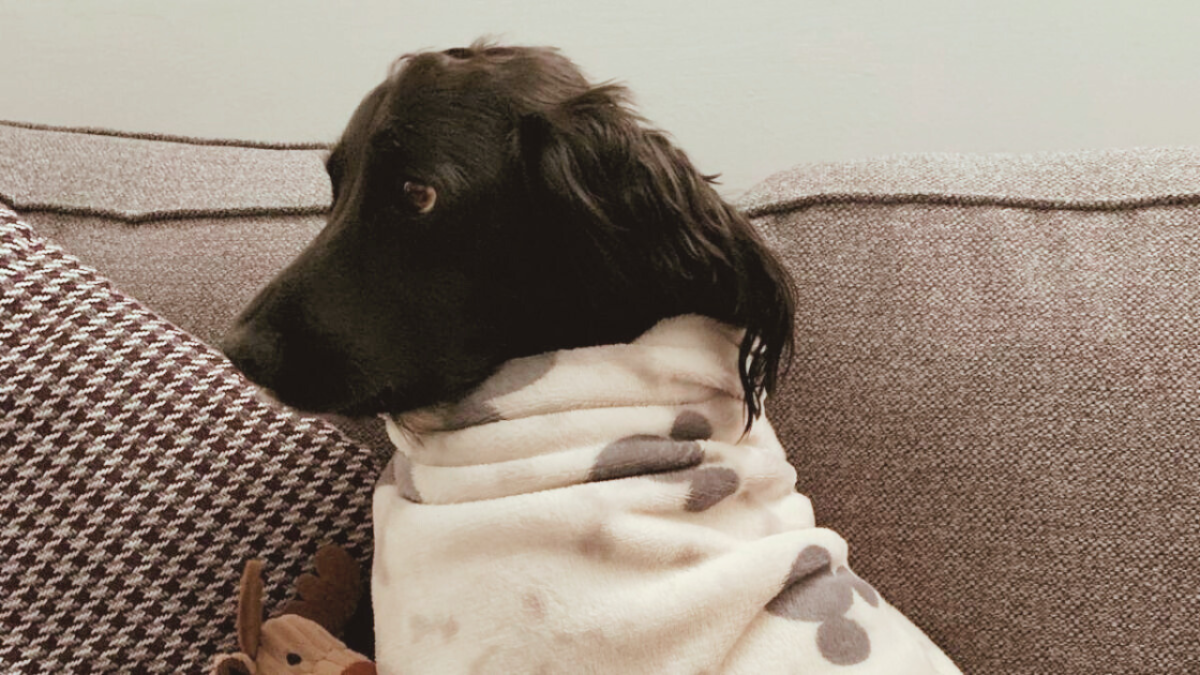
The problem with comforting your pet after surgery is that too much fuss can stress them out. Overly worrying or fretting may cause some dogs to tremble even more. The most effective way to keep your dog warm and prevent heat loss is to use blankets, heating pads, or warm water bottles.
You also want to watch their vital signs without bringing too much attention to your actions. For example, when it comes to verifying their breathing, pulse, and temperature, it helps to do so calmly and promptly.
Please remember, your pet doesn’t know they had surgery, so they have no idea what’s wrong! That’s where they rely on our cues as their owners and caregivers to reassure them that everything is alright.
Depending on their age, health, and the type of surgery, most dogs will recover from anesthesia in less than a day. However, some may take longer. Call your veterinarian right away if you notice anything strange or concerning!
How to Manage Your Dog’s Pain and Discomfort
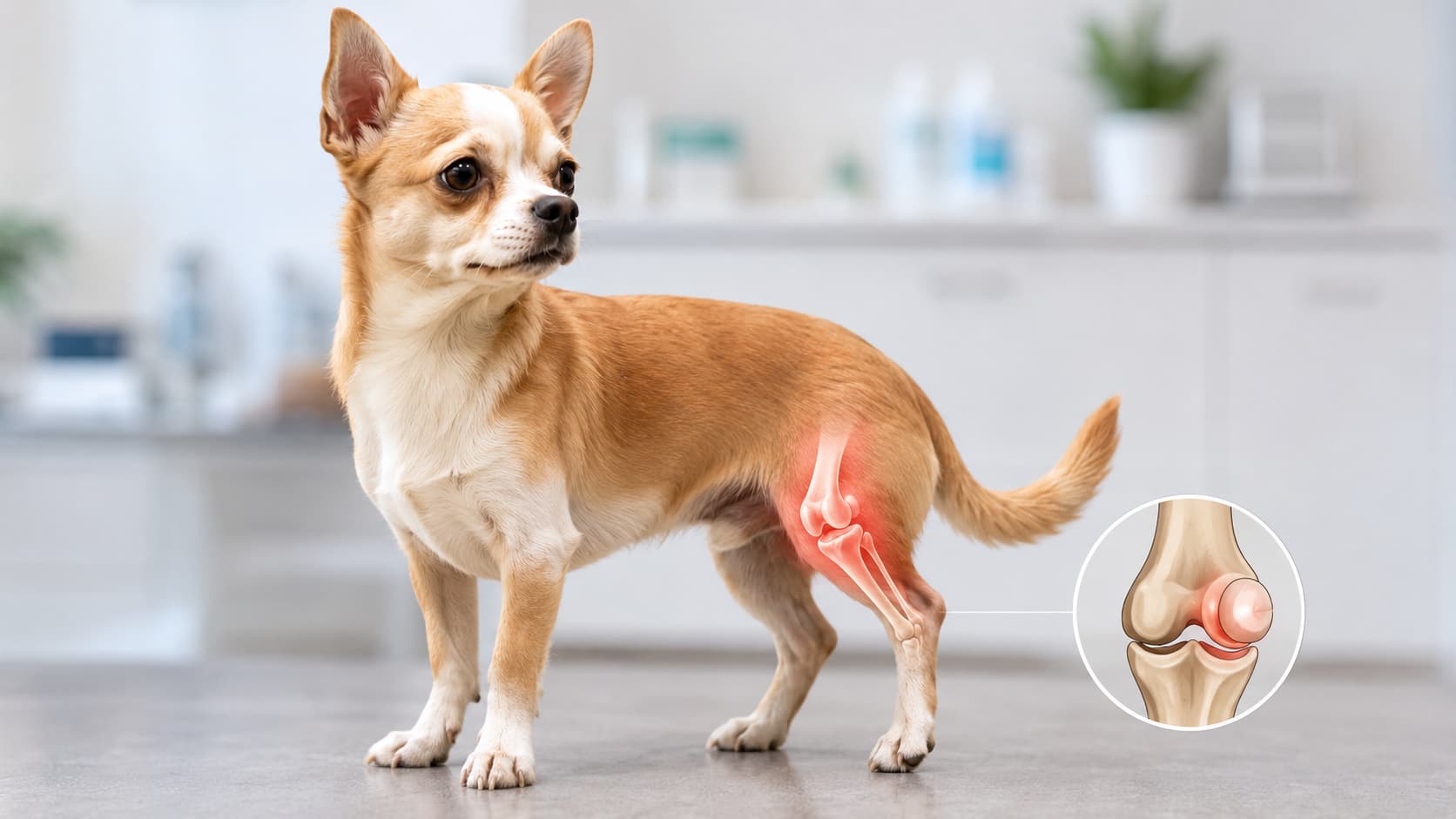
After an operation, pain or discomfort at the incision site may cause some pups to tremble or shiver. These feelings go hand-in-hand with anxiety and stress and can often worsen the situation until the dog starts to feel better.
You’ve probably noticed that all of these experiences and overwhelming emotions can significantly impact our pets’ disposition, appetite, and behavior. For a while, they might seem incredibly tired and uninterested in food or water. This behavior is all normal and to be expected for at least a couple of days.
At this point, keep your pup warm and safe, following your veterinarian’s directions carefully. Giving the proper care for their specific procedure is the best way to help them get on a speedy road to recovery.
How to Recognize and Relieve Your Dog’s Pain
- After surgery, get your pup as comfortable as possible when you get home. Make sure their bed is comfy, and show them a warm and comfortable space where they can relax.
- Take note of your dog’s actions and nonverbal cues. If they whimper or seem restless, it makes reasonable sense that they are uncomfortable and unhappy.
- Take proactive measures to manage pain before it gets out of control. To do that, give your pet the prescribed post-surgical medication to keep them comfortable.
- Recognize any distinctive behavior. Be alert and note any changes, such as increased shivering or a reluctance to move, as some dogs may express discomfort differently.
- As the pet parent, it’s important to stay informed. Recognize the telltale signs of discomfort in dogs to help care for your companion to the best of your ability.
- Communicate closely with your vet. Discuss your behavioral observations, such as seeing the dog shivering after surgery, plus anything else you notice. Together, you can then modify the pain management plan as necessary.
- Examine several approaches to pain management, such as pharmacological therapy, mild physical therapy, and creating a serene, stress-free atmosphere.
What the Experts Say About Pain Management
The 2022 AAHA Pain Management Guidelines are well worth a read if your dog is going through a difficult time (5). The guide offers a thorough approach to caring for pain in dogs.
The AAHA includes helpful advice on how to deal with problems like a dog shivering after surgery because of pain. They emphasize the value of treating, reassessing, and updating the pain management plan as part of a proactive and preventive approach.

Tips to Make a Calm and Soothing Environment
Dogs experience tension and anxiety just as we do. So, it’s helpful to know some ways to naturally calm and soothe them, especially after an ordeal like surgery. Establishing a routine for eating, exercise, play, and sleep can all help create a pleasant atmosphere and reduce post-surgery anxiety.
In my experience, the following tips work well either on their own or combined as a whole. I suggest taking note of what your dog responds best to, and then building on that.
- Consider using white noise or music. Specially designed applications and playlists can promote relaxation in dogs at any time, but especially during post-surgery recovery. Music therapy can divert their attention, potentially minimizing shivering or restlessness.
- Grooming and petting gently is a wonderful way to bond and generate endorphins that reduce stress. In doing so, make sure you don’t hurt your pup or cause more anxiety by touching sensitive areas or making loud noises. Some animals don’t like the idea of being touched after a procedure, especially if they are hurting or feeling vulnerable. If your dog responds well and shivers less, then you’re probably helping.
- Using a Thundershirt is a proven method to reduce stress and promote calm in dogs. They work similarly to how humans use weighted blankets for comfort and security (rather like a “wearable hug”). I bought one for my dog to keep her calm during thunderstorms, and I was pleasantly surprised by her reduction in shivering due to anxiety.
- Regular exercise and playtime remain a priority, even after surgery, as these things release endorphins that lower stress and anxiety. Activities like gentle walks or interactive games are simple ways to boost the mind and get their bodies moving again.
- Synthetic pheromone products, such as Adaptil Diffuser, can significantly soothe dogs during the postoperative period. Having a diffuser in the house can be helpful beforehand and after surgery. I find it valuable to keep my dog calm during thunderstorms and before venturing out in the car (especially if they sense they are going to the vet).

Why Is My Dog Still Shaking Days After Surgery?
Suppose a few days have passed since your dog’s surgery, and they still shiver or tremble. It’s natural to be concerned, especially if you’ve done everything right: kept them warm, given them pain medication, monitored their vital signs, and contacted your vet.
At this point, the most likely cause of a dog continually shivering after surgery is anxiety, which is largely manageable by following the above-mentioned tips.
But suppose you notice your dog in noticeable pain, especially if it persists beyond a few days after the procedure. In that case, give your vet another call, as it could indicate a potential infection. Watch for signs of a fever, as that can also trigger shivering, particularly after procedures like neutering.
Final Thoughts
Now that you better understand why your dog might be shivering after surgery, you can take steps to warm and soothe them. Remember that most dogs stop trembling once the anesthesia wears off in 24-48 hours. But it’s worth noting that each animal recuperates in its own time.
To keep your pup as comfortable as possible, I recommend following these techniques without making too much fuss—excessive attention or too much physical contact might scare your dog and lead to more trembling. Also, watch their behavior closely for any signs of pain or discomfort that you should report to your vet.
Sources and Further Reading
- Retrospective Study of the Prevalence of Postanaesthetic Hypothermia in Dogs – Veterinary Record
- Managing Anaesthesia Related Hypothermia in Cats & Dogs – Burtons Veterinary
- Hypothermia in the Operating Room – Today’s Veterinary Practice
- Anesthetic-Induced Hypothermia – BluePearl Pet Hospital
- 2022 AAHA Pain Management Guidelines for Dogs and Cats – American Animal Hospital Association
- Why Do Dogs Shake, Shiver, or Tremble? – PetMD
- Shivering as Thermoregulation – Encyclopedia Britannica