One of the most important aspects of your dog’s long-term health is excellent nutrition. When it comes to choosing the right food (and understanding how much to feed), every decision you make influences your dog’s weight, digestion, energy levels, coat health, and even their behavior.
This article brings together the core topics every dog parent needs to comprehend, along with in-depth articles from the veterinarians, breeders, and pet caregivers here at Your Pets at Home. Use this information as your starting point for feeding your dog confidently and supporting a healthier life for them.
What Does Healthy Dog Nutrition Really Mean?
Healthy nutrition for your pet is so much more than choosing a dog food with the right label. It includes:
- balanced meals built on good ingredients
- appropriate portion sizes
- foods that support gut health
- feeding routines that match your dog’s age and activity level
- knowing which foods are safe or unsafe
If you want to take a deeper look at why some dogs struggle with digestion, weight gain, or low appetite, the articles in this hub will help you. They will help you understand what is going on and, most importantly, how to fix it.
Why Some Foods Harm Your Dog’s Health
Unfortunately, many dogs live with chronic problems that come from poor nutrition. Ultra-processed foods, preservatives, and fillers can all play a role in inflammation, obesity, allergies, and digestive trouble.
For a full explanation of how dry food affects weight, skin health, the gut, and long-term well-being, read Dr. Mark’s informative article:
Dry Dog Food Is Making Dogs Sick (What to Feed Instead).
If your dog struggles with seizures, diet can also play a supporting role in managing symptoms. You can learn more here:
Focal Seizure in Dogs: Treatment at Home and Diet Advice.
How to Choose the Right Food for Your Dog
Every dog has different and varied needs. Some thrive on fresh food, some do well on gently cooked meals, and others cope just fine with high-quality commercial options. But no single diet fits every dog.
Our dog nutrition guides can help you choose what works best for your pet. Here are a few snippets:
- How to Turn Your Dog’s Boring Kibble Into a Five-Star Feast! Learn about what sauces you can add to your dog’s food (great for picky eaters or dogs who need more moisture)
- How to Keep Your Dog From Eating Cat Food (helps you understand nutritional differences between species)
- Can Dogs Eat Coleslaw? What Pet Owners Need to Know (useful for common food-sharing mistakes)
For dogs with sensitive stomachs or chronic yeast issues, you can explore:
Best Natural Dog Probiotics for Yeast.
Portion Control and Healthy Weight
How much you feed is just as important as what you feed. Many dogs gain weight slowly over time because their portions are simply too big. Extra weight puts stress on joints, affects breathing, and also increases the risk of diabetes and other diseases.
To learn how to measure meals accurately and adjust food amounts as your dog ages or changes activity levels, read:
Managing Dog Food Portions: Tips for a Healthy Weight.
If your dog is under-eating or losing interest in meals, exercise can stimulate appetite. You can learn how to use activity to support better eating habits here:
The Best Exercise Routine to Boost Your Dog’s Appetite.

Nutrition and Digestive Health
A healthy gut is the foundation of good nutrition. When the digestive system is unbalanced, dogs may experience diarrhea, gas, yeast issues, stool changes, or nutrient absorption problems.
Explore these guides for targeted help:
- How the Superpower of Carrots Might Help Your Dog With Diarrhea
- Best Natural Dog Probiotics for Yeast
- Why Do Dogs Eat Dirt, Soil, or Clay? (a behaviour often linked to nutrient deficiencies)
Digestive problems can appear even in dogs who look healthy on the outside. The articles above explain why these issues happen and how diet changes can help.
Nutrition, Skin, and Coat Health
Healthy skin and fur depend on good nutrition. When dogs shed excessively, develop itchy skin, or have dull coats, food quality can play a major role.
To learn how diet affects coat health and what ingredients help, visit:
How to Stop a Dog From Shedding All Over Your House.
Creating a Feeding Routine That Works
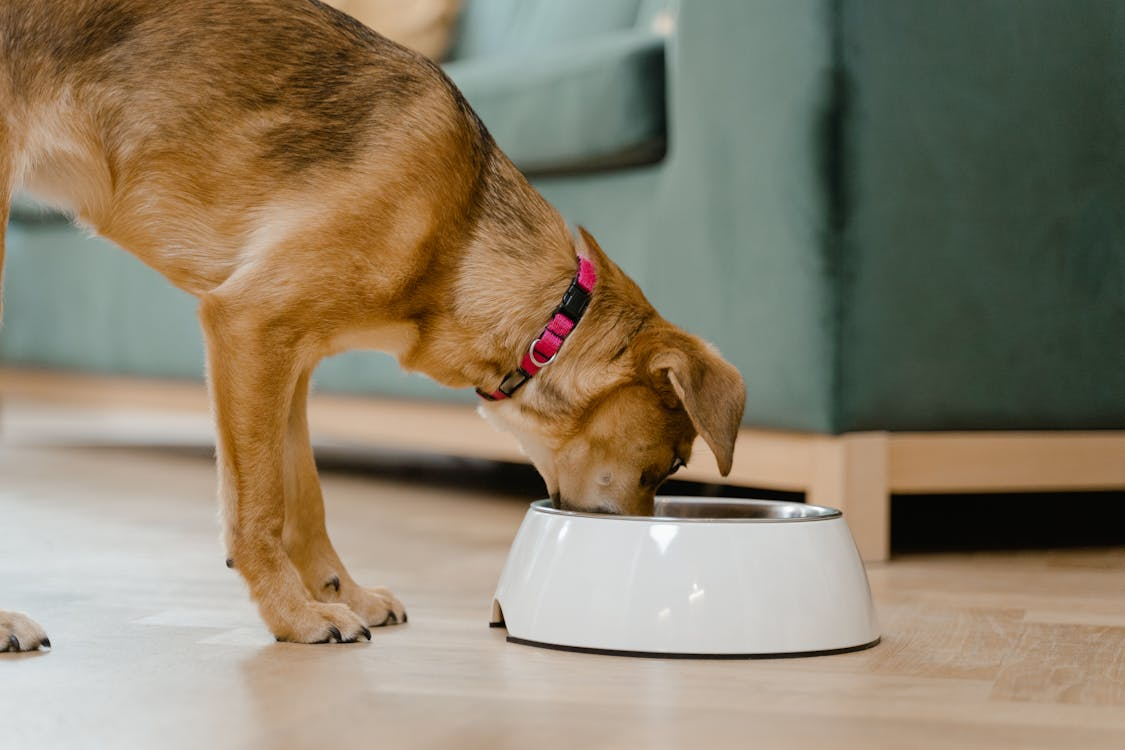
A consistent feeding routine supports digestion, reduces anxiety around meals, improves appetite, and helps you track changes in your dog’s health.
Strong routines include:
- regular meal times
- predictable portion sizes
- limited access to other pets’ food
- healthy snacks used sparingly
- adjustments for age, activity level, and weight changes
If you ever feel unsure, start here in the hub and then explore the linked articles for deeper guidance.
Explore More Dog Nutrition Articles
-

My Dog Won’t Eat His Food but Will Eat Treats!
Does your dog refuse to eat his food but happily munches on treats? We’ll discuss when it’s okay to try some tricks at home and when you really need to see your vet.
-

Why Dogs Love Eating Rabbit Poop and How to Stop Them
Many animals I’ve cared for over the years were obsessed with bunny droppings. Dogs love eating rabbit poop for various reasons: curiosity, instinctive behavior, coprophagia, and the appealing fiber and probiotics. This article will answer your questions and share helpful ways to curb this behavior.
-

Old Dog Losing Weight? 6 Tips to Support and Nourish Your Senior Buddy
Weight loss is something you may notice in your older dog. This is a normal part of aging. But an old dog losing weight might also suggest a serious health problem. Naturally, you want our pets to have a happy and comfortable life. So let me offer some tips to figure out if your dog’s…
-

Why Do Dogs Eat Dirt, Soil or Clay and What to Do About It
Have you noticed your dog digging holes in the backyard and devouring dirt, soil, or clay? I noticed my dogs doing that last summer, and wondered, “Does this mean they have parasites? Are they missing something in their diet, or are they hungry, or just plain bored?” Then in the fall, they quit eating dirt…
-

Dog Breath Smells Like Fish? 5 Common Causes and Solutions
Are you concerned because your dog’s breath smells somewhat like fish? Although a slightly unpleasant smell is normal for dogs, a distinctly fishy odor usually means that something needs your attention. It might be a simple dietary adjustment, a dental issue, or a medical condition that needs some care.
-

Allergy Chews for Dogs: Powerful Relief That Really Works!
Allergy chews are becoming popular among pet parents; they are an enjoyable, healthy way to help their dogs manage symptoms like itchy skin, sneezing, red eyes, and excessive licking. Are you curious about how well allergy chews for dogs work? Let’s explore their usefulness and factors to consider when picking them out.
-

Dry Dog Food Is Making Dogs Sick (What to Feed Instead)
Dogs are not living as long as we once hoped, despite the advances in health care now available to so many of our pets. So why are dogs now sicker than they used to be? Health problems that we used to consider relatively rare have now become common. All of them are related to nutrition.
-

Focal Seizure in Dogs: Treatment at Home & Diet (Vet Advice)
One third of dogs with epilepsy do not respond to medications, here is a diet that may help reduce the number and frequency of seizures.
-

How to Turn Your Dog’s Boring Kibble Into a Five-Star Feast!
Ever wonder, “What sauce can I add to dog food to make it more delicious and tempting for them to eat?” Let’s be honest; if we ate nothing but dry, flavorless cereal every single day we’d probably lose our minds. Here are 10 irresistible sauces that will make your dog devour their food!
-

Why Is Your Dog Drawn to Eating Revolting, Disgusting Items?
As dog owners, we’ve all been there — Fido has something revolting in his mouth again. And the dread kicks in: what did he pick up this time? Rabbit poop? My socks? Or heaven forbid, a tub of shortening from the kitchen counter (trust me, I’ve been there). But you might ask yourself why our dogs eat…
-

Best Natural Probiotics for Dogs to Beat Yeast Problems
Meet the best natural probiotics for dogs for yeast infections, kefir. Kefir not only improves your dog’s gut biome, it has so many outstanding benefits, you will be joining your dog in a daily dose of kefir! Read on to learn how it reduces anxiety, inflammation and fights cancer, in addition to curing digestion related…