Let me be honest with you. I’ve seen friends drop their dogs off at a place that looked fine on the surface, only to pick them up five days later stressed, underweight, or sick. One came back with a bite wound nobody had mentioned. Another spent a week in a kennel where the overnight staff left at 9 pm and didn’t return until 7 the next morning. Nobody tells you these things when you’re searching for safe pet boarding near you at 11 pm, panicking because your flight leaves in four days, and you still haven’t sorted your dog’s care.
So I put this together as a practical guide, not a polished brochure. These are the actual red flags worth watching for, based on what goes wrong and why it keeps going wrong at facilities that shouldn’t still be in business.

1. They Won’t Let You Walk Through Before You Book
This is probably the fastest way to weed out a bad facility. Call ahead, say you want to come by and see the space before making a decision, and pay attention to how they respond.
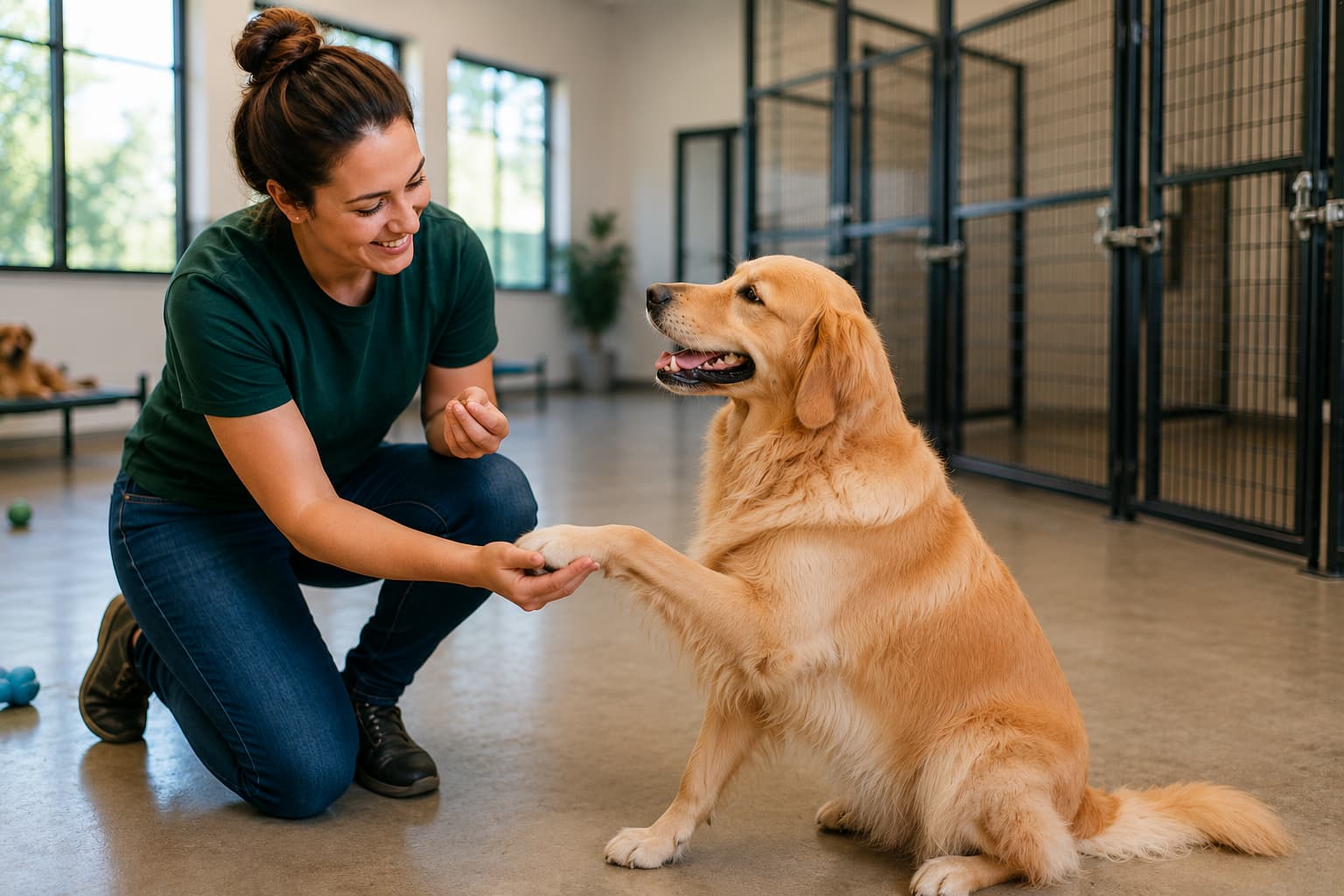
Good places say yes without hesitating. They’ll show you the sleeping areas, the outdoor run, and the feeding station. They won’t rush you through in ten minutes or steer you toward the lobby and call it a tour.
If the person on the phone gets cagey, tells you tours aren’t really possible, or suggests you just trust the photos on their website, hang up. A facility with nothing to hide doesn’t hide anything.
When you do visit, use your nose before you use your eyes. A bit of dog smell is completely normal. What you don’t want is ammonia, mildew, or that sharp wet-dog-meets-disinfectant combination that usually means they’re spraying over problems rather than cleaning them. Also, notice whether the animals you can see look relaxed or anxious. Dogs that pace continuously or bark nonstop aren’t just bored. They’re stressed.
2. Nobody Can Tell You the Staff-to-Pet Ratio
Ask this question every time, at every facility. How many animals is one staff member responsible for at once? Then watch how they answer.
Vague answers like “it depends on the day” or “we always have enough people” are not answers. A well-run operation knows this number because they’ve thought about it seriously. A reasonable ratio for dogs during active hours sits somewhere around 10 to 15 animals per caregiver, depending on the size of the dogs and the layout of the space.
This comes up a lot when people are comparing “safe pet boarding kennels near me” and trying to figure out why prices vary so much. Facilities that charge less are often facilities with fewer staff members covering more animals. That’s not always the case, but it’s worth asking about directly.
Also ask about overnight supervision. Some kennels have someone on site through the night. Others lock the doors at 8 pm and nobody checks on the animals again until morning. If your dog has anxiety or a medical condition, that matters a great deal.
3. No Vaccination Records Required
This one is non-negotiable and also, unfortunately, more common than it should be.
Reputable pet boarding facilities near me will ask for proof of current vaccinations before they confirm a booking. For dogs that typically includes rabies, distemper, and Bordetella (the kennel cough vaccine). For cats, FVRCP and rabies at minimum.
If a facility says they take your word for it, or that they “recommend” vaccinations but don’t require them, walk away. You’re talking about a shared space where animals from dozens of different households come and go constantly. One unvaccinated dog with kennel cough can spread it to every animal in the building within days.
Some of the better dog boarding near me options also ask for a recent fecal test to screen for parasites. That might feel like overkill until you realize how fast intestinal parasites move through a kennel population. It’s not overkill. It’s basic disease control.
4. The Reviews Don’t Quite Add Up
Online reviews have become complicated to read, but they still tell you something if you know what you’re looking for.
Five identical reviews posted in the same week, each one two sentences long with no specific details, smell like they were solicited or manufactured. Genuine reviews tend to be messier. People mention specific staff members by name, describe what their particular dog is like and how the facility handled it, or bring up a small complaint alongside the praise.
Negative reviews matter more than most people give them credit for. One bad review about a sick animal returned home is worth reading carefully. Four of them over two years is a pattern.
More revealing than the reviews themselves is how management responds. Defensive replies that blame the pet owner, dismiss concerns, or read like they were copied from a PR template are a bad sign. A manager who says, “I’m sorry, this wasn’t the experience we want for any guest, please call us directly,” is showing you something real about how they handle problems.
When you’re trying to sort out the best pet boarding near me from the average ones, that response pattern is often more telling than the star rating.
5. They’re Fuzzy on What Happens in an Emergency
This is the conversation most people skip because it feels morbid or like you’re being a difficult customer. Ask it anyway.
What happens if my dog has a seizure at 2 am? What if she stops eating for two days? Who decides when to call a vet, and who pays for it if I’m unreachable? Does someone stay on site overnight?
A facility that has thought about this will have clear answers. They’ll tell you which vet clinic they use, whether the staff have any first aid training, and how they handle authorization when an owner can’t be reached. Some facilities have a veterinarian on call. Others have a formal relationship with a nearby clinic and documented protocols for after-hours situations.
A facility that responds with “oh, don’t worry, we take great care of all our animals” is not a facility that has prepared for emergencies. That’s a deflection, not an answer.
If you want a clearer picture of what professional animal care standards actually look like in practice, reviewing veterinary care resources from trusted sources in the field can help you ask sharper questions and recognize when a facility’s answers don’t meet the mark.
6. The Price Is Suspiciously Low
Nobody wants to overpay for pet care. That’s completely fair. But when a facility is charging $18 a night when every comparable option in the area runs $45 to $65, it’s worth asking what that price difference actually represents.
In most cases, it represents staff. Fewer of them, less experienced, paid less, covering more animals. It can also mean smaller individual spaces, lower-quality food if meals are included, minimal outdoor time, and limited oversight.
Some facilities also advertise a low base rate and then charge separately for things you’d reasonably assume were included: taking your dog outside, administering medication, and feeding on a specific schedule. Always ask for an itemized breakdown of exactly what the quoted price covers before you compare facilities side by side.
Spending a bit more at a facility with a strong reputation and verifiable standards is usually the right call. Most pet owners figure that out the first time something goes wrong at a cheap place.
7. The Intake Process Feels Like an Afterthought
When you show up to drop your pet off, notice how much the staff actually wants to know about your animal.
A facility that cares will ask about feeding times, food allergies, any medications, behavioral quirks, how your dog responds to strangers, whether your cat hides when nervous, and what their normal sleep schedule looks like. They’ll write things down. They’ll ask follow-up questions. Someone will confirm that the information you shared will actually reach the person responsible for your pet’s daily care.
A facility that hands you a one-page form, skims it for thirty seconds, and then takes your dog to the back without further conversation is telling you something about how much individual attention your animal will get once you’re gone.
This matters most for pets that aren’t easy boarders, older dogs, anxious cats, animals on regular medication, or any pet that’s never boarded before. The intake conversation is your best opportunity to advocate for your animal. Make sure someone on the other side is actually listening.
Before You Book Anywhere
To pull it together briefly:
- Visit in person before committing, ideally during a busy part of the day.
- Ask specifically about staff-to-pet ratios and overnight supervision.
- Confirm that vaccination and health records are required, not just recommended.
- Read negative reviews carefully and look at how management responds.
- Ask your vet if they have a preferred boarding facility or any facilities they’d steer you away from.
- Get a full price breakdown in writing so there are no surprises at pickup.
- Trust your gut during the tour. If something feels off, it usually is.
Your vet is also a genuinely useful resource here. They often know which local facilities have brought back sick or injured animals and which ones they refer clients to without hesitation. That kind of word-of-mouth from a medical professional carries a lot more weight than a Google rating.
And if you’re still in the preparation stage, getting the right supplies together before a boarding stay can make the transition easier for your pet. Things like a familiar blanket, their regular food, and any comfort items from home can reduce separation anxiety significantly.
You can find a range of helpful options when looking into pet boarding services near you that cater specifically to pet parents managing exactly this kind of situation.
The research takes maybe an hour. An hour of asking the right questions before you leave is a lot easier than dealing with the aftermath of choosing the wrong place.
Your pet is trusting you to make this call. Take it seriously, do the walkthrough, ask the uncomfortable questions, and go with the facility that gives you real answers.